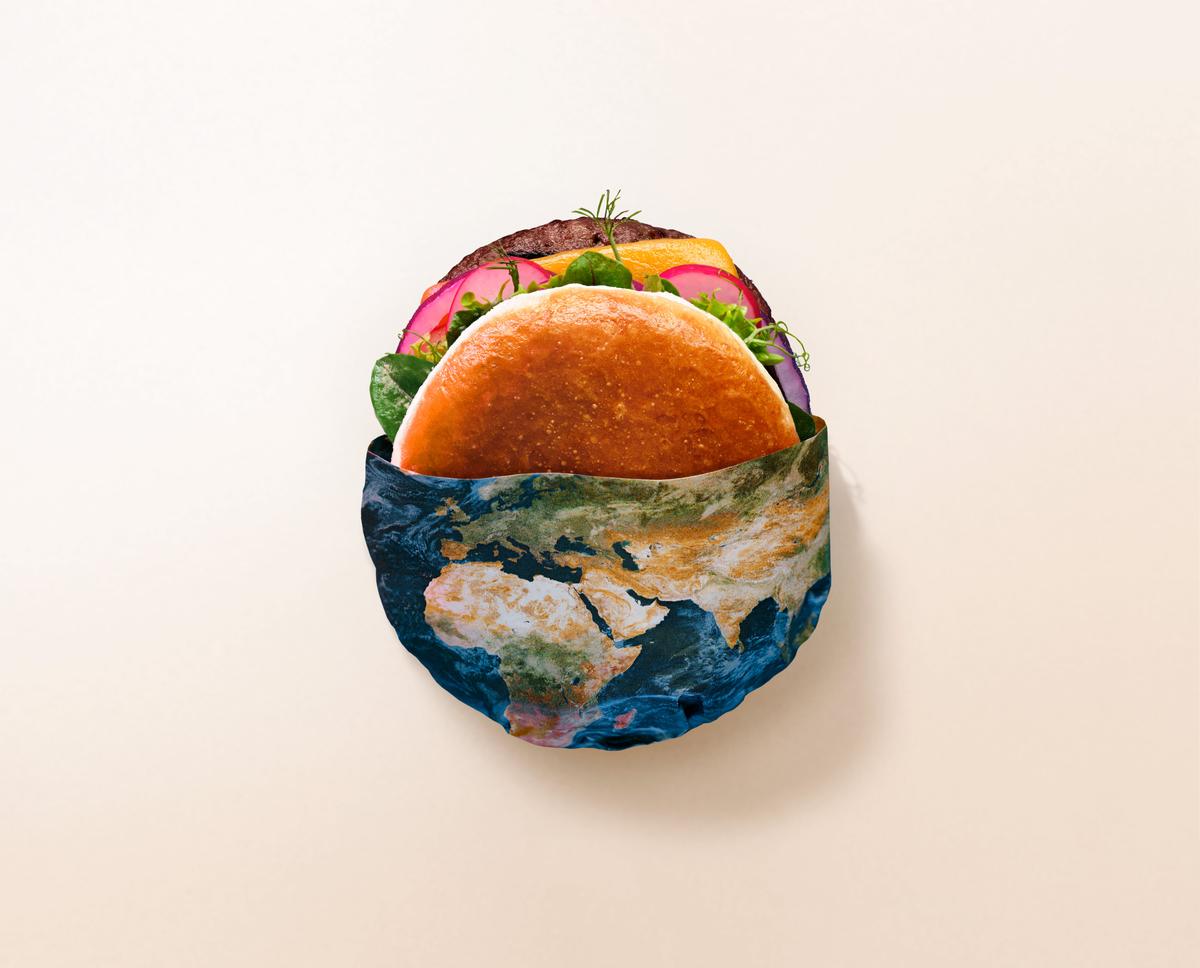
Mosa Meat’s Mark Post on the First Lab-Grown Burger and the Future of Cultivated Meat
Companies Mentioned
Why It Matters
Mosa Meat’s progress signals that cultivated meat is transitioning from novelty to commercial reality, promising a lower‑impact protein source for a growing market.
Key Takeaways
- •First cultivated burger created in 2013 with Google co‑founder backing
- •Mosa Meat now seeks EU regulatory approval for cultivated fat
- •Growth‑medium costs dropped ~1,000‑fold, lowering production expenses
- •Cultivated meat offers lower environmental impact, complete animal protein
- •Farmers skeptical but transition timeline gives time to adapt
Pulse Analysis
The cultivated‑meat sector has leapt from a laboratory curiosity to a nascent industry, driven by breakthroughs in cell‑culture technology and a surge of high‑profile investors. Mark Post’s 2013 burger, funded in part by Sergey Brin, demonstrated that animal cells could be coaxed into edible tissue, igniting interest from venture capital, food‑tech incubators, and traditional meat producers. Today, companies like Mosa Meat are refining the process, replacing animal‑derived growth media with plant‑based alternatives and engineering recombinant proteins at dramatically lower costs. These advances shrink production expenses and bring price points closer to conventional meat, a critical step for consumer adoption.
Regulatory pathways are the next hurdle. While Singapore, Israel, and the United States have already approved cultivated products, the European market remains pending. Mosa Meat has filed applications with the European Food Safety Authority for cultivated fat and a blended burger, positioning itself to be among the first to sell lab‑grown beef in the EU. Approval would unlock a continent of environmentally conscious consumers and could trigger broader supply‑chain investments, from bioreactor manufacturers to specialized ingredient providers.
Beyond compliance, cultivated meat promises tangible sustainability benefits. Life‑cycle analyses show up to 90% reductions in greenhouse‑gas emissions and land use compared with conventional beef, while delivering complete animal protein without the need for antibiotics. For farmers, the technology presents both a challenge and an opportunity: integration projects like Respect Farms aim to combine cell‑culture facilities with traditional agriculture, offering a hybrid model that preserves rural livelihoods. As demand for protein rises and climate pressures mount, cultivated meat is poised to become a pivotal component of the global food system.
Mosa Meat’s Mark Post on the first lab-grown burger and the future of cultivated meat
Comments
Want to join the conversation?
Loading comments...