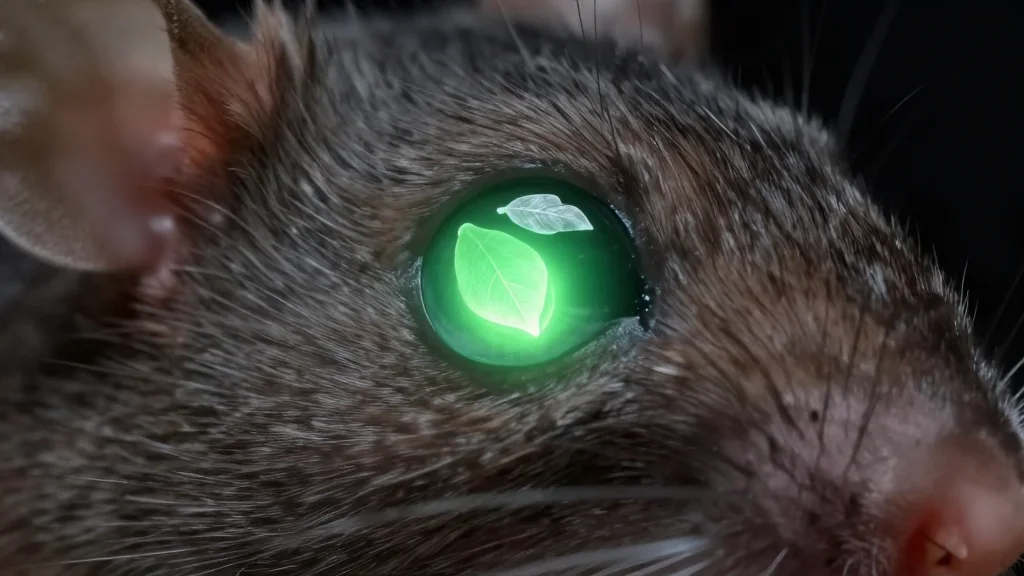
Mouse Eyes Photosynthesize After Plant-to-Animal Transplant
Why It Matters
Harnessing plant photosynthesis inside animal cells creates a light‑powered strategy for retinal and inflammatory therapies, potentially redefining metabolic treatment platforms in biotech.
Key Takeaways
- •Spinach chloroplasts encapsulated in LEAF nanoparticles internalize mouse eye cells
- •LEAFs generate ATP and NADPH from light for several hours
- •Study shows cross‑kingdom organelle transfer reduces ocular inflammation
- •Technique could enable light‑driven therapies for retinal disorders
- •Longevity and targeting remain key hurdles for clinical use
Pulse Analysis
The latest Cell paper showcases a bold cross‑kingdom experiment: scientists isolated chloroplast thylakoid grana from spinach, packaged them into nanoscale LEAF particles, and injected the formulation into mouse retinas. By mimicking the natural photosynthetic cascade, these engineered organelles harvested photons and produced the energy carriers ATP and NADPH inside mammalian cells—a feat previously limited to plants and algae. The work builds on observations of sea slugs that co‑opt algal chloroplasts, translating a natural phenomenon into a controllable biomedical tool.
Beyond the scientific novelty, the ability to generate biochemical energy from light within eye tissue could revolutionize treatment of retinal degeneration and chronic inflammation. Light‑driven production of ATP may support cellular repair pathways, while the observed anti‑inflammatory effect hints at broader immunomodulatory applications. For biotech firms, this opens a new class of optogenetic‑like therapeutics that do not rely on genetic engineering, potentially simplifying regulatory pathways and expanding market opportunities in ophthalmology and metabolic disease.
However, significant hurdles remain before clinical translation. The transient nature of LEAF activity—lasting only hours—raises questions about dosing frequency and long‑term safety. Immune recognition of foreign chloroplast components could trigger adverse reactions, and precise targeting of specific retinal cell types is essential to avoid off‑target effects. Future research will need to extend the functional lifespan of the organelles, refine nanoparticle delivery systems, and demonstrate efficacy in larger animal models. If these challenges are met, light‑powered cellular therapies could become a cornerstone of next‑generation precision medicine.
Mouse eyes photosynthesize after plant-to-animal transplant
Comments
Want to join the conversation?
Loading comments...