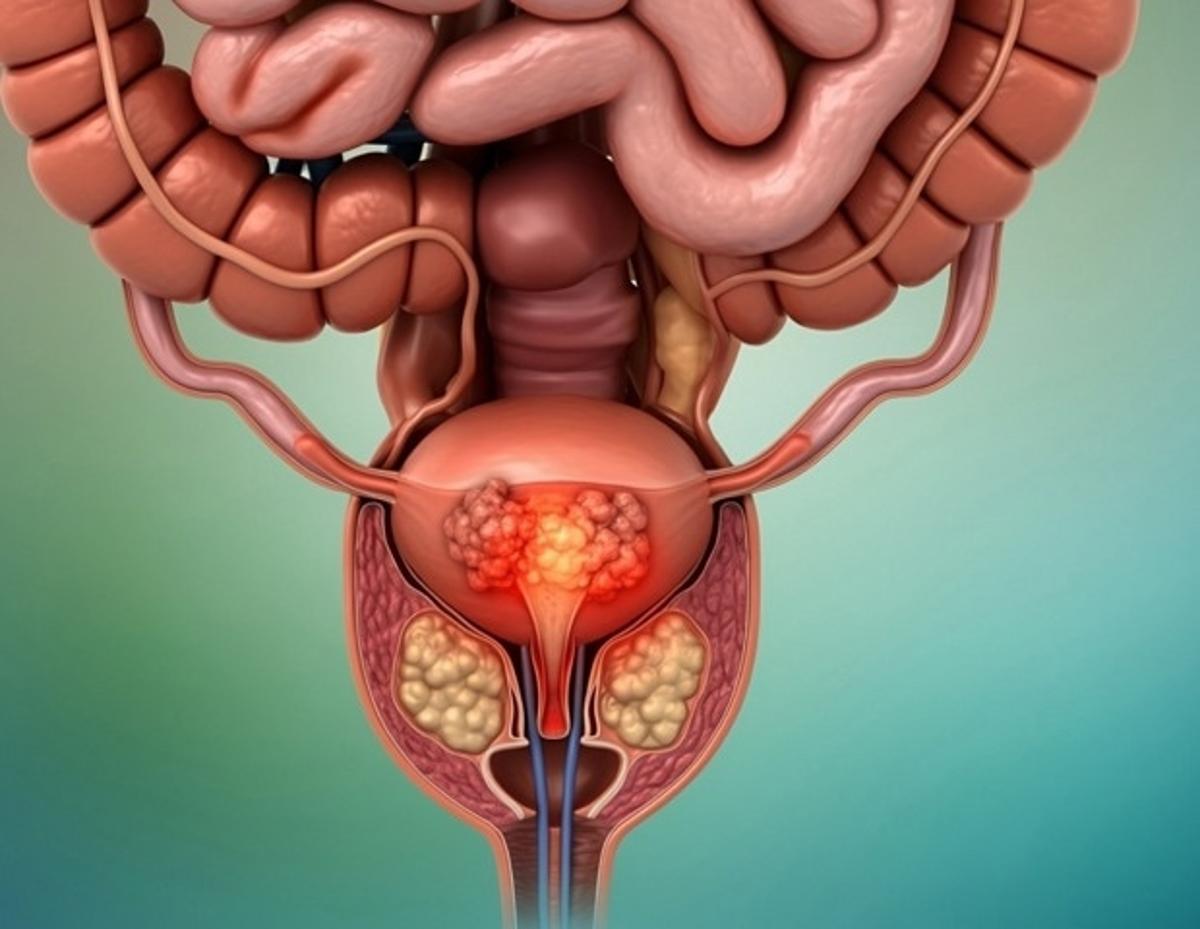
Multi-Institutional Trial Explores New Lifeline for Advanced Prostate Patients
Why It Matters
The trial introduces a new biological pathway that could extend the effectiveness of existing hormone therapies, addressing a critical unmet need for men whose prostate cancers have become resistant.
Key Takeaways
- •Opaganib combined with abiraterone showed 15% disease control at 16 weeks
- •Combination with enzalutamide achieved 9% disease control, below trial goal
- •Treatment was generally tolerable; serious side effects resolved after dose adjustment
- •Researchers will seek lipid biomarkers to identify responders for precision therapy
Pulse Analysis
Advanced prostate cancer increasingly outpaces standard hormone therapies, leaving clinicians to resort to chemotherapy with significant toxicity. Opaganib, a first‑in‑class inhibitor of sphingolipid metabolism, represents a novel attempt to keep patients on less intensive regimens by targeting a metabolic pathway that fuels resistance. By pairing the drug with abiraterone or enzalutamide, the MUSC‑Emory team hoped to prolong the window of response that these androgen‑receptor agents traditionally provide.
The Phase 2 data showed modest disease‑control rates—15% with abiraterone and 9% with enzalutamide—short of the trial’s primary goal but still noteworthy for a heavily pre‑treated cohort. Importantly, a subset of participants experienced meaningful PSA declines and periods of disease stabilization, suggesting that the combination can slow tumor progression for select patients. Safety signals were encouraging; most adverse events were mild to moderate, and serious toxicities were manageable through dose adjustments, offering a tolerability profile that could be preferable to conventional chemotherapy.
Looking ahead, the investigators plan to mine blood samples for lipid‑based biomarkers that predict which patients will benefit most. This precision‑medicine angle could transform a broadly modest therapy into a targeted option, aligning treatment with individual tumor biology. The collaborative model—linking academic discovery at MUSC with clinical execution at Emory—also underscores how multi‑institutional partnerships can accelerate novel drug development, potentially shaping future treatment guidelines and attracting interest from biotech investors.
Multi-institutional trial explores new lifeline for advanced prostate patients
Comments
Want to join the conversation?
Loading comments...