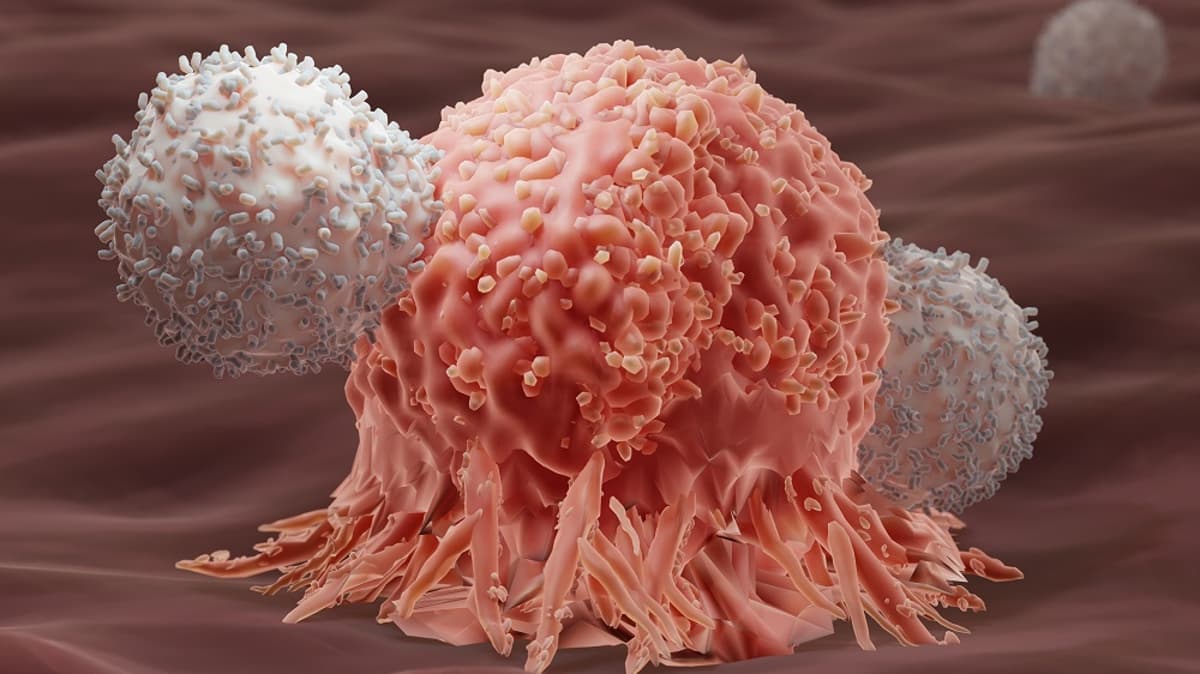
New mRNA Therapy Destroys Cancer by Improving T Cell Priming
Why It Matters
By targeting intracellular signaling rather than external cytokines, this strategy could overcome the low response rates of current checkpoint inhibitors and expand mRNA technology into both cancer therapy and infectious‑disease vaccines.
Key Takeaways
- •IR‑mRNAs drive mouse dendritic cells toward cDC1 lineage, enhancing T‑cell priming
- •Intratumoral LNP dosing achieved 70‑80% complete tumor regression in mice
- •Treated mice retained immunity, rejecting rechallenge tumors after 60 days
- •Co‑delivery with flu or SARS‑CoV‑2 antigens boosted antibody titers 4‑5×
Pulse Analysis
Cold tumors remain a major obstacle for immunotherapy because they lack sufficient antigen‑presenting cells to activate cytotoxic T lymphocytes. Conventional approaches rely on external cytokines, which diffuse systemically and can cause toxicity, or on checkpoint inhibitors that only work when pre‑existing T‑cell infiltrates are present. Dendritic cell subsets, especially cDC1, are the linchpin for cross‑presentation of tumor antigens and the generation of robust CD8+ T‑cell responses, yet they are scarce in most solid cancers. Reprogramming these cells from within offers a logical next step to convert immunologically “cold” lesions into “hot” ones.
The MIT‑Harvard team introduced two transcriptional regulators—NIK and IRF8—via lipid‑nanoparticle mRNA (IR‑mRNA) directly into immature dendritic cells. In mouse models, this forced a rapid shift toward the cDC1 phenotype, markedly increasing cytokines that drive CD8+ T‑cell priming. Intratumoral administration produced complete regression in 11 of 15 colorectal‑tumor mice (IRF8) and 11 of 16 (NIK), while systemic dosing still suppressed metastatic lung lesions. Crucially, CD8+ T‑cell depletion abolished efficacy, confirming the mechanism, and surviving mice resisted tumor rechallenge, indicating durable immunological memory.
Beyond oncology, the platform proved effective as a vaccine adjuvant. Co‑delivery of IR‑mRNA with hemagglutinin or SARS‑CoV‑2 spike mRNA amplified antibody titers four‑ to five‑fold, and mice vaccinated with oval‑protein plus IR‑mRNA generated three‑ to four‑fold more antigen‑specific CD8+ T cells that persisted for three months. This dual capability positions immune‑remodeling mRNA as a bridge between personalized cancer vaccines and next‑generation infectious‑disease boosters. While translation to humans will require safety profiling and scalable manufacturing, the study highlights a promising route to enhance both therapeutic and prophylactic mRNA strategies.
New mRNA Therapy Destroys Cancer by Improving T Cell Priming
Comments
Want to join the conversation?
Loading comments...