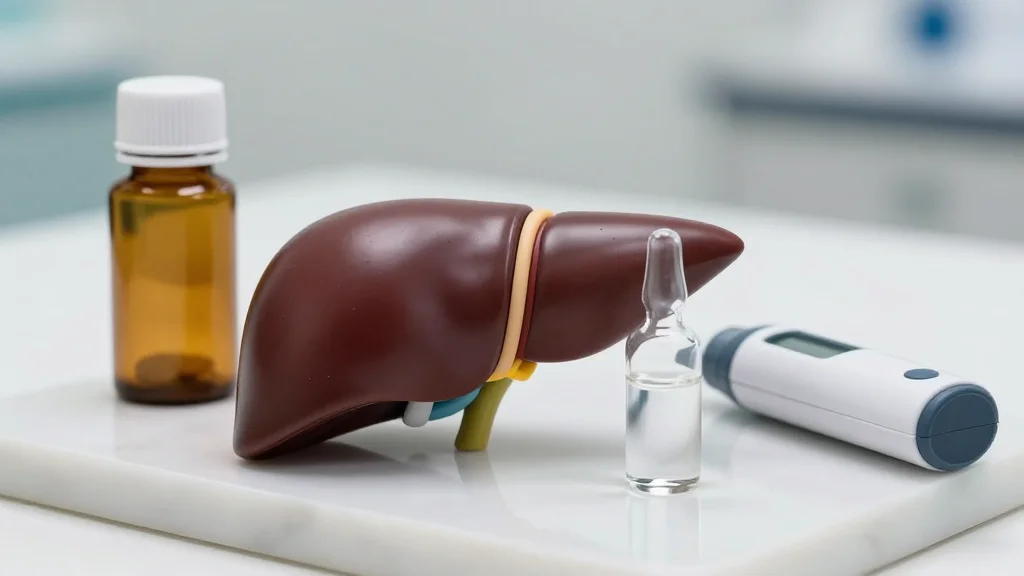
New Post-Liver Transplant Protocol Results in 0% Heavy Alcohol Relapse Rate
Why It Matters
Zero relapse demonstrates that targeted, continuous addiction care can protect graft function and patient survival, prompting a potential overhaul of post‑transplant protocols nationwide.
Key Takeaways
- •PACT protocol eliminated heavy alcohol relapse in 21 liver transplant patients
- •Historical relapse rate for post‑transplant alcohol use is about 25%
- •Multidisciplinary approach includes medication, testing, and coordinated specialist care
- •No relapses observed within one year after transplant under the protocol
- •Larger, multi‑center trials needed to confirm findings and guide policy
Pulse Analysis
Alcohol‑associated liver disease has become the leading reason for liver transplantation in the United States, accounting for roughly one‑third of all grafts. Many candidates present in acute decompensation, leaving insufficient time to complete conventional sobriety programs before surgery. Consequently, transplant teams have traditionally focused on post‑operative monitoring, intervening only after a patient relapses. This reactive model leaves a critical gap, as alcohol‑use disorder is now recognized as a chronic, relapsing condition that requires continuous, proactive management—much like diabetes or hypertension.
Mayo Clinic researchers responded with the Preventing Alcohol‑Related Complications after Transplant (PACT) protocol, a multidisciplinary regimen that blends anticraving pharmacotherapy, regular alcohol‑metabolite testing, and coordinated care among hepatologists, surgeons, addiction counselors, psychiatrists, and pharmacists. In a pilot cohort of 21 high‑risk recipients, none returned to heavy drinking within the first year, a stark contrast to the roughly 25 % relapse rate reported in historical controls. The protocol’s intensive follow‑up and early pharmacologic intervention appear to blunt cravings and provide accountability, delivering the first documented zero‑relapse outcome in this population.
If replicated across larger, diverse transplant centers, PACT could reshape standard post‑transplant practice, shifting the paradigm from surveillance to prevention. Such a shift would not only improve graft survival and patient quality of life but also expand eligibility for repeat transplantation by mitigating one of the most common exclusion criteria. Moreover, the success of a proactive, team‑based approach may encourage broader adoption of chronic disease frameworks for addiction treatment, helping to destigmatize alcohol‑use disorder within the medical community. Ongoing multicenter trials will be essential to validate efficacy and inform policy.
New post-liver transplant protocol results in 0% heavy alcohol relapse rate
Comments
Want to join the conversation?
Loading comments...