New Study Explains Why Some People Taking GLP-1s Notice Fewer Cravings
Why It Matters
Understanding the reward‑pathway impact of GLP‑1 drugs could broaden their therapeutic use beyond weight loss to conditions like binge‑eating and substance‑use disorders, while highlighting the need for careful patient monitoring.
Key Takeaways
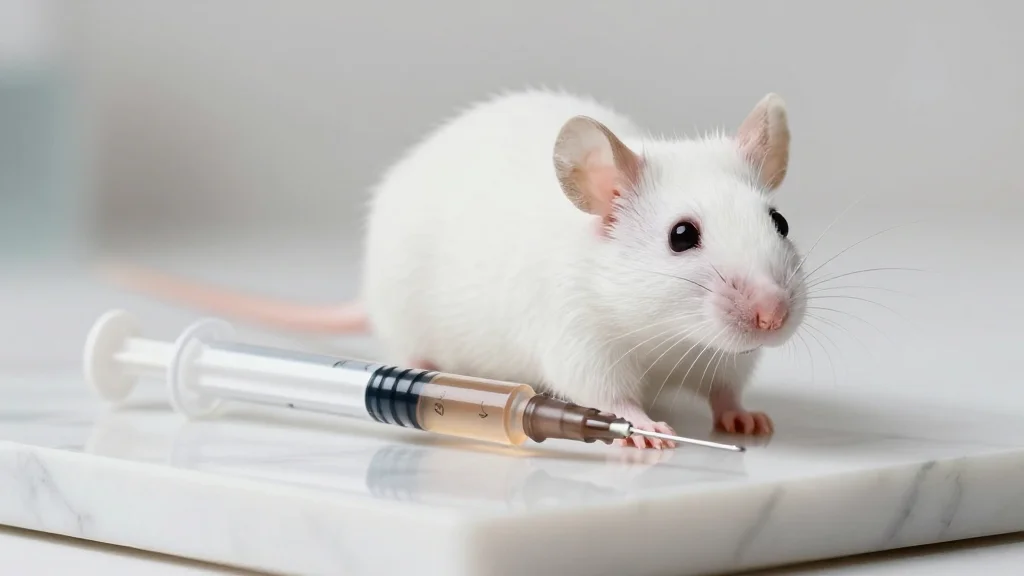
- •CRISPR-modified mice showed GLP‑1 drugs lower dopamine release.
- •Central amygdala neurons mediate reduced pleasure‑driven eating.
- •Findings suggest potential use for binge‑eating and substance disorders.
- •Human relevance remains uncertain; clinical trials are pending.
Pulse Analysis
The surge in GLP‑1 receptor agonists such as semaglutide and the oral candidates orforglipron has largely been framed around appetite suppression and weight loss. However, a new study published in Nature reveals a second, less obvious mechanism: the drugs modulate the brain’s reward circuitry. By engineering mice with human‑like GLP‑1 receptors, researchers were able to observe that oral GLP‑1 agents engage a central amygdala pathway that curtails dopamine spikes in the nucleus accumbens, the hub for pleasure‑driven eating. This discovery clarifies why many users report a diminished desire for high‑calorie, comfort foods, extending the drugs’ impact beyond simple satiety signals.
The identified circuit operates independently of the classic hunger‑center pathways, suggesting that GLP‑1 drugs can simultaneously address two distinct drivers of overeating. In the mouse model, direct stimulation of the central amygdala neurons mimicked the drugs’ effect, while removal of GLP‑1 receptors from these cells blunted the reduction in reward‑based feeding. This mechanistic insight opens the door to repurposing GLP‑1 therapies for disorders rooted in dysregulated reward processing, such as binge‑eating disorder and certain substance‑use conditions, where dopamine signaling plays a pivotal role.
While the findings are compelling, translation to humans remains speculative. The study’s reliance on genetically altered rodents means that dosage, long‑term neural adaptation, and broader behavioral outcomes must be validated in clinical settings. Ongoing trials are beginning to assess GLP‑1 agents for alcohol and drug cravings, but clinicians should weigh potential mood‑related effects, especially in patients with a history of depression or anxiety. As the market for GLP‑1 drugs expands, integrating neuroscience insights with patient‑centered care will be essential for maximizing benefits and mitigating risks.
New Study Explains Why Some People Taking GLP-1s Notice Fewer Cravings
Comments
Want to join the conversation?
Loading comments...