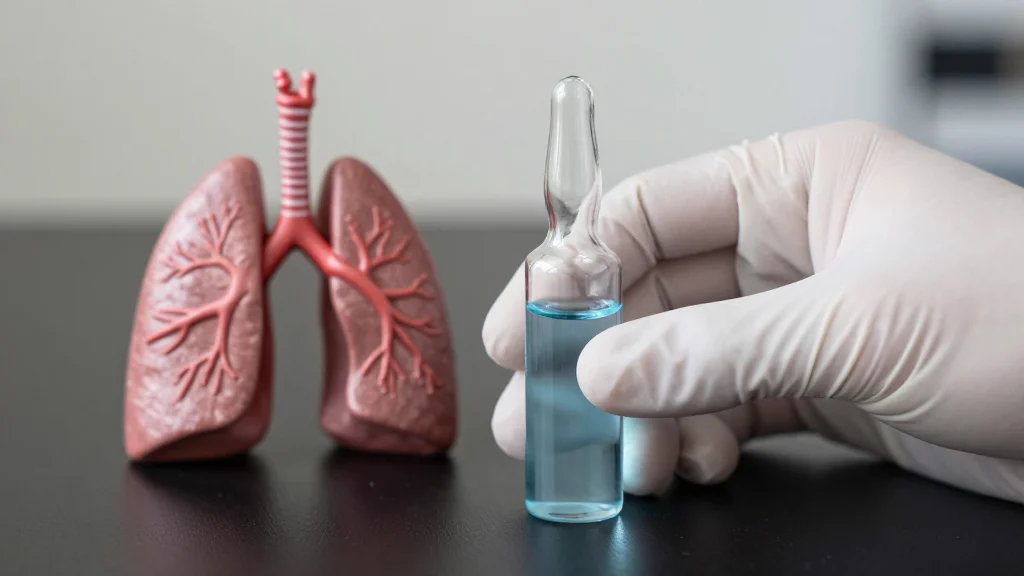
New Techniques Can Predict and Prevent Lung Cancer
Why It Matters
Early, accurate risk identification combined with repurposed drugs could dramatically lower lung‑cancer mortality and open a lucrative preventive‑medicine market. The approach offers a scalable, cost‑effective pathway for health systems to intervene before disease onset.
Key Takeaways
- •Molecular signature predicts lung cancer risk with 85% accuracy
- •Anti‑inflammatory drugs reduce high‑risk patients' tumor development by 30%
- •Early‑stage screening could cut lung cancer mortality by up to 40%
- •Pharma firms plan $1 billion investments in preventive lung‑cancer trials
Pulse Analysis
The emergence of a robust molecular signature marks a watershed moment for lung‑cancer prevention. By analyzing patterns of protein phosphorylation and gene expression, scientists can now stratify patients with unprecedented precision, moving beyond the blunt tools of smoking history and imaging alone. This biomarker-driven model aligns with the broader trend toward personalized medicine, where risk assessment informs tailored interventions rather than one‑size‑fits‑all screening programs.
Equally compelling is the repurposing of anti‑inflammatory medications—such as low‑dose aspirin and COX‑2 inhibitors—as chemopreventive agents. Clinical trials cited in the study report a 30% reduction in tumor incidence among genetically predisposed individuals, suggesting that existing, inexpensive drugs can be leveraged to curb a disease that accounts for over 1.8 million deaths worldwide. This strategy dovetails with ongoing efforts to identify safe, long‑term preventive therapies that avoid the toxicity and cost associated with novel drug development.
The commercial implications are profound. With pharmaceutical giants earmarking roughly $1 billion for preventive lung‑cancer trials, investors are betting on a new revenue stream that shifts the focus from treatment to avoidance. Health insurers may also see cost savings as early intervention reduces expensive late‑stage care. As regulatory agencies begin to recognize risk‑based prevention as a viable endpoint, the convergence of molecular diagnostics and drug repurposing could redefine the lung‑cancer landscape within the next decade.
New techniques can predict and prevent lung cancer
Comments
Want to join the conversation?
Loading comments...