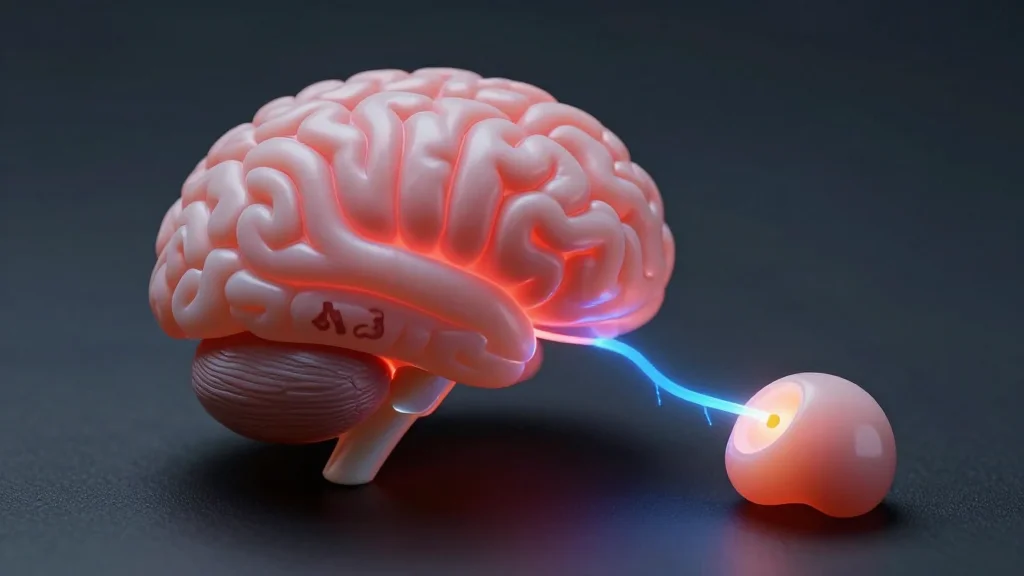
NgR-Dependent Plasticity in a dCA3CaMKIIα → VTADA → NAc Circuit Underlies Stress Resilience and Susceptibility
Why It Matters
Identifying NgR as a molecular regulator of the hippocampal‑midbrain reward circuit opens a novel therapeutic avenue for stress‑related depression, linking synaptic plasticity to mood outcomes.
Key Takeaways
- •NgR expression rises in dCA3 glutamatergic neurons after chronic stress
- •NgR knockdown in dCA3 restores synaptic strength and reduces depressive behaviors
- •Activating dCA3→VTA dopamine pathway reverses stress‑induced depression
- •Overexpressing NgR impairs VTA‑NAc dopamine signaling and worsens mood
- •Both D1 and D2 receptors mediate antidepressant effects of circuit activation
Pulse Analysis
Depression remains a leading cause of disability, with chronic stress driving maladaptive changes across brain networks. Recent work has shifted focus from classic monoamine theories to circuit‑level mechanisms, highlighting the hippocampus as a hub that integrates stress signals. The Nogo‑receptor (NgR), traditionally studied for its role in axonal growth inhibition, emerges here as a stress‑responsive molecule that becomes up‑regulated specifically in dCA3 glutamatergic neurons. This region projects to ventral tegmental area (VTA) dopamine cells, forming a pathway that ultimately influences nucleus accumbens (NAc) reward processing. By mapping NgR’s expression and functional impact, researchers connect a molecular brake to the dysregulation of reward circuitry that underlies anhedonia and helplessness.
Using a combination of chronic unpredictable mild stress, viral‑mediated gene editing, and precise opto‑/chemogenetic tools, the investigators showed that silencing NgR in dCA3 restores excitatory synaptic strength and normalizes calcium signaling during stress challenges. Conversely, overexpressing NgR diminishes synaptic efficacy and amplifies depressive‑like behaviors. Crucially, direct activation of the dCA3 → VTA dopamine projection reverses these deficits, while inhibition reproduces them, establishing causality. The downstream VTA‑NAc dopamine axis operates through both D1 and D2 receptors, as pharmacological blockade nullifies the antidepressant benefit of NgR knockdown. This mechanistic clarity underscores the importance of hippocampal‑midbrain communication in mood regulation.
The findings position NgR as a promising drug target for novel antidepressants that aim to restore circuit plasticity rather than merely augment neurotransmitter levels. Therapeutic strategies could involve small‑molecule inhibitors, antisense oligonucleotides, or gene‑editing approaches to dampen NgR activity in the hippocampus. By preserving the integrity of the dCA3‑VTA‑NAc pathway, such interventions may enhance resilience to chronic stress and provide rapid, durable relief for patients who do not respond to existing treatments. Future clinical translation will require validation in human tissue and the development of delivery methods that achieve region‑specific modulation without off‑target effects.
NgR-Dependent plasticity in a dCA3CaMKIIα → VTADA → NAc circuit underlies stress resilience and susceptibility
Comments
Want to join the conversation?
Loading comments...