Penn State’s 3D Printed CaroFlex Device Opens a New Front in Drug-Resistant Hypertension
Companies Mentioned
Why It Matters
Drug‑resistant hypertension affects roughly 10% of hypertensive patients, and CaroFlex offers a non‑pharmacologic alternative that could reduce reliance on multiple medications and lower cardiovascular risk. Its soft, stitch‑free design may set a new standard for implantable bioelectronics, accelerating market adoption of personalized, low‑invasion therapies.
Key Takeaways
- •CaroFlex uses hydrogel to bond to arteries without stitches
- •Device lowered rat blood pressure by over 15% in tests
- •Stretchability exceeds 200%, surpassing rigid platinum electrodes
- •Additive manufacturing enables rapid redesign for clinical trials
- •NIH and NSF funding supports scaling of soft bioelectronics
Pulse Analysis
Hypertension remains a leading health burden in the United States, with nearly half of adults affected and about one in ten patients not responding to conventional drug regimens. CaroFlex, a fingertip‑sized, 3‑D‑printed bioelectronic patch, targets the carotid sinus—home to baroreceptors that naturally modulate blood pressure. By delivering low‑amplitude electrical pulses through conductive hydrogel electrodes, the device taps the body’s own baroreflex, achieving a 15% drop in systolic pressure in rodent models while avoiding the tissue irritation typical of rigid metal implants.
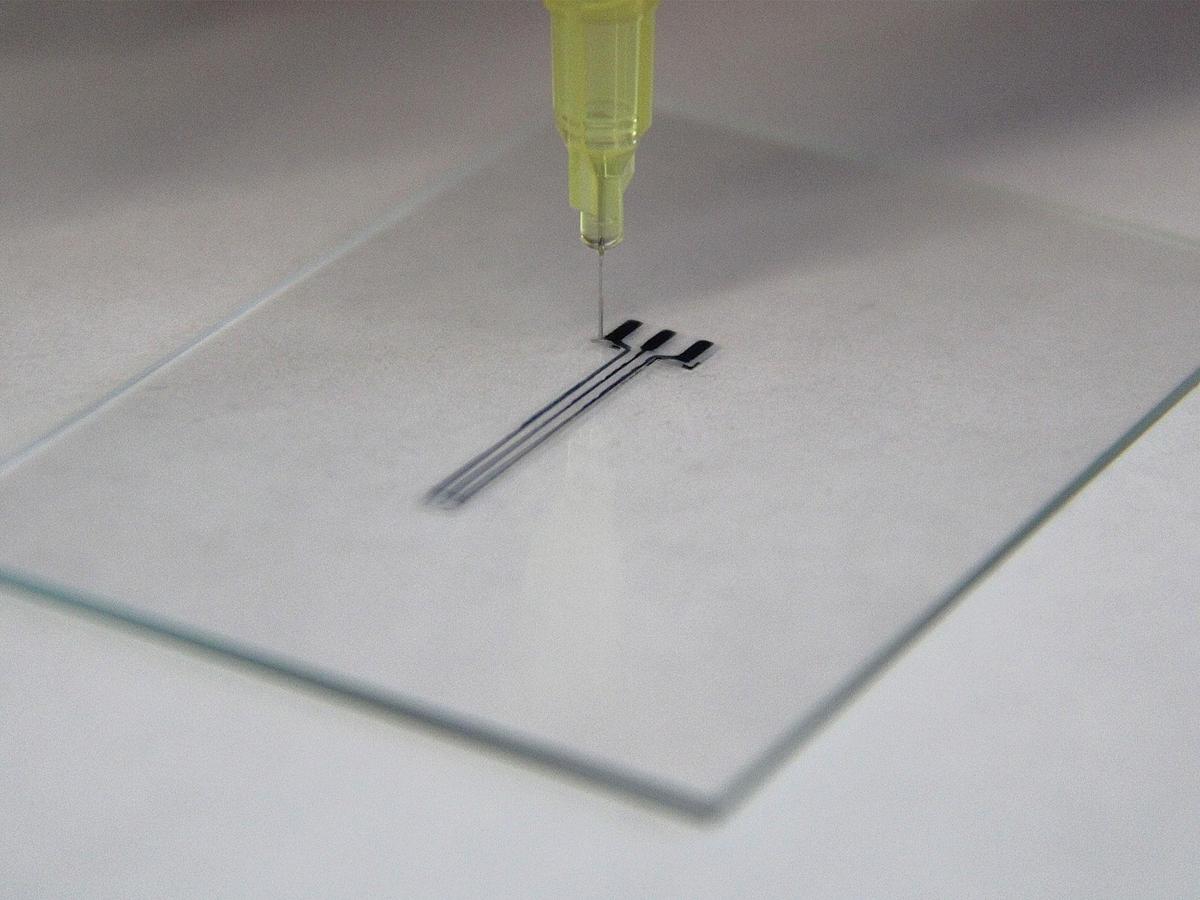
The breakthrough hinges on additive manufacturing, which allows engineers to print soft, stretchable hydrogel structures that conform to moving arteries. This manufacturing approach dramatically shortens development cycles, enabling rapid design tweaks and scalable production without costly clean‑room tooling. Backed by NIH and NSF grants, the Penn State team can now focus on optimizing signal parameters and biocompatibility, paving the way for first‑in‑human trials. If successful, CaroFlex could capture a sizable share of the $13 billion market for hypertension therapies, offering a device‑based alternative that reduces polypharmacy and associated side effects.
CaroFlex joins a growing ecosystem of soft bioelectronics, from MIT’s printed neural implants to European teams developing flexible brain and spinal interfaces. The common thread is the need for materials that move with tissue, a challenge rigid devices have struggled to meet. As 3‑D printing technologies mature, regulatory pathways are becoming clearer, and investors are increasingly drawn to bio‑integrated solutions. CaroFlex’s progress signals a broader shift toward personalized, minimally invasive implants that could transform treatment paradigms for chronic diseases beyond hypertension, such as heart failure and arrhythmias.
Penn State’s 3D Printed CaroFlex Device Opens a New Front in Drug-Resistant Hypertension
Comments
Want to join the conversation?
Loading comments...