Perth Biotech at Cutting Edge of the Future of Medicine
Companies Mentioned
Why It Matters
Domestic GMP‑grade oligo production secures intellectual property, shortens supply chains and captures multi‑million‑dollar revenue currently flowing offshore, strengthening Australia’s biotech competitiveness.
Key Takeaways
- •Syngenis builds Australia’s first GMP‑grade oligonucleotide manufacturing facility
- •$105 million of overseas GMP work could return onshore
- •AI‑driven discovery targets early Alzheimer’s and Parkinson’s biomarkers
- •Domestic supply shortens turnaround and secures IP for biotech firms
- •Global oligonucleotide market projected to exceed $15 billion by 2030
Pulse Analysis
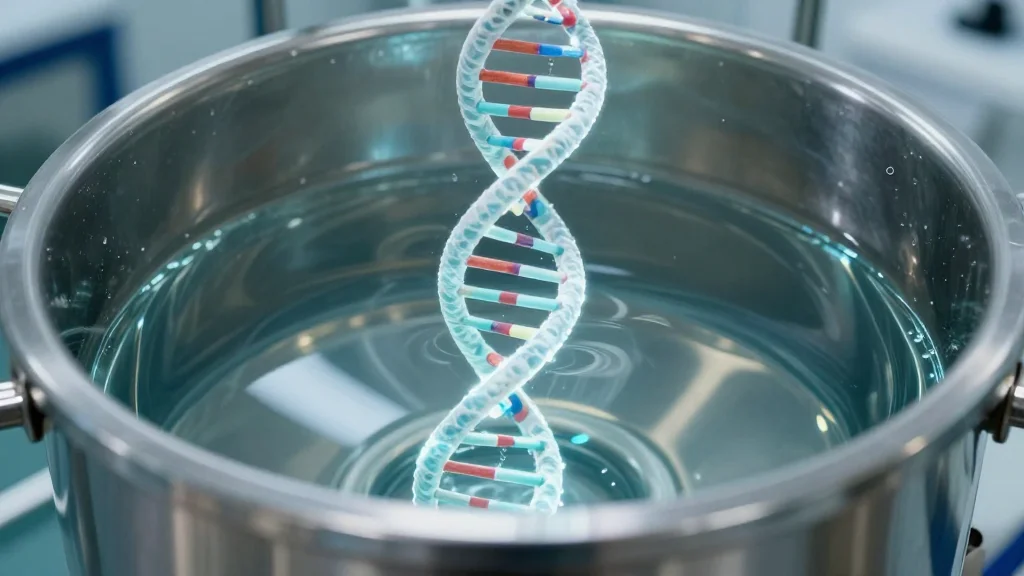
The term ‘oligonucleotide’ may sound academic, but short strands of synthetic DNA or RNA are the building blocks behind today’s gene‑editing, RNA‑based medicines and rapid diagnostics. Syngenis, operating out of Bentley Technology Park in Perth, is the only Australian company capable of commercial oligo synthesis and is now converting its research‑grade lab into a Good Manufacturing Practice (GMP) facility. Once certified, it will become the sole domestic source of clinical‑grade nucleic‑acid products, a capability currently limited to a handful of sites in the United States, Europe and China.
The Australian Government’s R&D Tax Incentive refunds up to 43.5 % of eligible spend, channeling billions of dollars back into local innovators. Syngenis estimates that roughly AUD 160 million (about US 105 million) of GMP‑grade oligonucleotide work now leaves the country for overseas providers, a flow that could be reversed once a compliant local plant is online. Retaining this work domestically not only preserves valuable intellectual property and shortens supply chains, it also aligns with the incentive’s preference for on‑shore R&D, promising a multi‑million‑dollar revenue pipeline for the Perth‑based firm.
Beyond manufacturing, Syngenis is leveraging AI‑driven discovery to create diagnostic candidates for Alzheimer’s and Parkinson’s, aiming to detect disease signatures years before symptoms appear. The company’s three‑pronged model—manufacturing, discovery and point‑of‑care diagnostics—creates a self‑reinforcing ecosystem that could accelerate Australia’s entry into the $15 billion global oligonucleotide market projected for 2030 and the $125 billion point‑of‑care diagnostics space by 2034. An eventual ASX listing would give investors exposure to a rare combination of proven revenue, deep scientific talent and a strategic asset poised to reshape the nation’s biotech supply chain.
Perth biotech at cutting edge of the future of medicine
Comments
Want to join the conversation?
Loading comments...