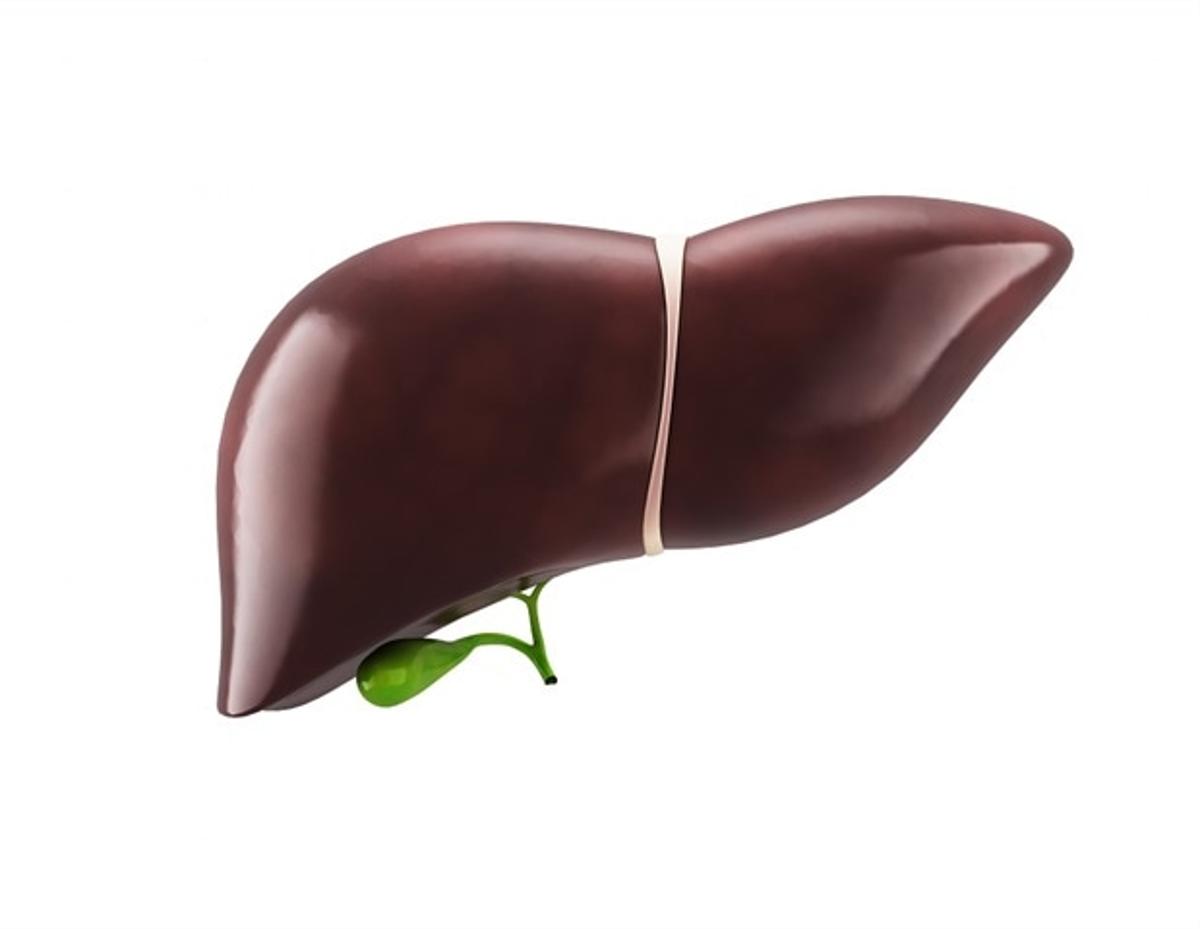
Pioneering Cell Therapy Offers Hope for Advanced Liver Disease
Why It Matters
The therapy could become the first non‑surgical option for advanced liver disease, easing pressure on scarce donor organs and reducing costly transplants.
Key Takeaways
- •70% transplant‑free survival vs 40% with standard care after 4 years
- •Autologous macrophages target scar tissue, reduce inflammation, promote regeneration
- •No serious side effects observed in the phase‑2 MATCH trial
- •Resolution Therapeutics advancing RTX001 in the EMERALD trial for broader use
Pulse Analysis
Advanced liver disease remains a leading cause of premature mortality, with cirrhosis accounting for over 11,000 deaths annually in the UK alone. Conventional treatment hinges on liver transplantation, a resource‑intensive procedure limited by donor shortages, high costs, and strict eligibility criteria. As the liver’s innate regenerative capacity wanes in end‑stage disease, researchers have turned to cell‑based approaches that can restore function without the need for organ replacement, positioning regenerative medicine at the forefront of hepatology innovation.
The Edinburgh‑based therapy leverages autologous macrophages—immune cells harvested from a patient’s blood, differentiated in the lab, and reinfused to seek out scarred liver tissue. Once localized, these engineered cells degrade fibrotic deposits, temper chronic inflammation, and create a micro‑environment conducive to healthy hepatocyte growth. In the MATCH trial, 26 patients received the therapy while 24 continued standard care; after four years, 70% of treated patients were alive without a transplant compared with 40% of controls, and no serious adverse events were recorded. These outcomes underscore both efficacy and a reassuring safety profile, addressing a critical gap in long‑term disease management.
Commercially, the data have propelled Resolution Therapeutics to launch RTX001 in the ongoing EMERALD trial, aiming to validate the approach across a broader cirrhotic population. Successful scaling could reshape the liver‑disease market, diverting billions in transplant‑related expenditures toward a scalable, off‑the‑shelf cell product. Regulators are likely to view the robust four‑year follow‑up favorably, accelerating pathways for approval. Ultimately, a viable macrophage therapy could extend patients’ productive years, alleviate transplant waiting‑list pressures, and set a precedent for immune‑cell regeneration in other fibrotic organs.
Pioneering cell therapy offers hope for advanced liver disease
Comments
Want to join the conversation?
Loading comments...