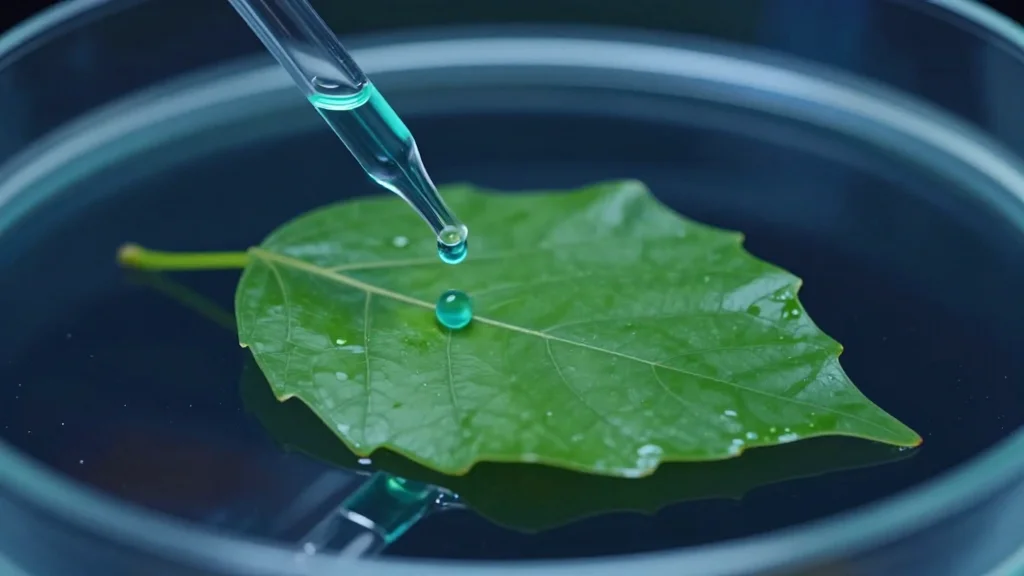
Plants Could Be Used to Grow Medicines in Space, Study Shows
Why It Matters
On‑demand, in‑situ drug manufacturing could eliminate the need for bulky medical inventories on deep‑space missions, reducing risk and cost. The same technology also promises affordable, decentralized pharmaceutical production for remote or underserved regions.
Key Takeaways
- •UC San Diego developed a reusable plant-based drug extraction method
- •Method harvests virus particles from leaves without destroying the plant
- •Simulated microgravity increased yields of cowpea mosaic virus
- •Approach could supply medicines on long-duration space missions
Pulse Analysis
Spaceflight logistics have long been constrained by the limited shelf life of conventional pharmaceuticals, which degrade under radiation and microgravity. Traditional manufacturing relies on large, sterile facilities that are impractical to transport beyond low Earth orbit. Plant molecular farming—using crops as bio‑factories—offers a lightweight, self‑sustaining alternative, leveraging photosynthesis to synthesize complex molecules with minimal inputs. The UC San Diego team’s breakthrough lies in tapping the plant’s apoplast, a natural extracellular space, to draw out therapeutic virus particles without harvesting or grinding the foliage, dramatically simplifying downstream processing.
The extraction protocol combines a brief vacuum infiltration with gentle centrifugation, allowing bulk liquid containing the target virus to be collected and filtered. Because the leaves remain intact, the same plant can be cycled through multiple harvests, dramatically increasing productivity per square meter. In simulated microgravity, stress responses in the host plants actually boosted virus yields, hinting that space‑specific conditions could be harnessed to improve output. The method’s scalability was demonstrated by processing over fifty plants in under two hours, a timeline compatible with mission timelines and crew workloads. Moreover, the low‑tech equipment—vacuum chambers and benchtop centrifuges—fits within the mass and volume constraints of spacecraft.
If validated on orbit, this technology could transform medical logistics for missions to Mars or lunar habitats, providing astronauts with a reliable source of antivirals, vaccines, or cancer therapeutics on demand. Beyond aerospace, the same low‑cost, low‑waste platform could be deployed in remote clinics, disaster zones, or developing regions where cold‑chain infrastructure is scarce. Industry players in biotech and space exploration are likely to watch closely as the research moves toward flight tests, potentially opening a new market for “pharma‑as‑a‑service” in extreme environments.
Plants could be used to grow medicines in space, study shows
Comments
Want to join the conversation?
Loading comments...