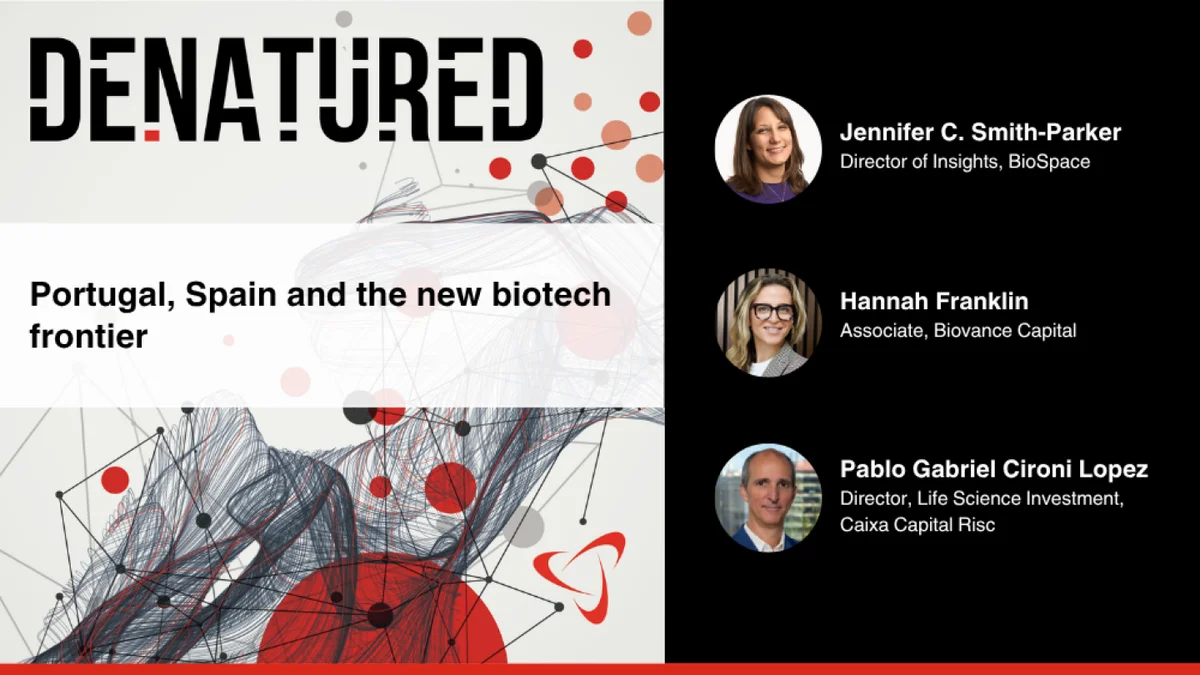
Portugal, Spain and the New Biotech Frontier
Companies Mentioned
Why It Matters
The surge in investment and policy support positions Southern Europe to become a new center for biotech innovation, attracting global talent and capital. Success could diversify Europe’s life‑science landscape beyond traditional powerhouses.
Key Takeaways
- •Portugal offers €200M grants, ~ $218M, for early biotech ventures
- •Spain's life‑science VC exceeds €1B ($1.09B) annually
- •Biovance and Caixa Capital Risc drive cross‑border seed funding
- •Region aims to rival UK, Germany biotech hubs by 2030
Pulse Analysis
Southern Europe is rapidly emerging as a biotech frontier, driven by coordinated government initiatives and a strong academic base. Portugal, in particular, has rolled out a series of grant programs totaling roughly €200 million (about $218 million) to de‑risk early‑stage ventures, while Spain’s mature venture ecosystem now channels over €1 billion—approximately $1.09 billion—into life‑science companies each year. These financial incentives, combined with a growing pool of skilled researchers, are reshaping the region’s innovation pipeline and encouraging startups to scale beyond local markets.
The investment narrative is further reinforced by the active involvement of specialized capital firms. Biovance Capital, represented by associate Hannah Franklin, focuses on seed‑stage biotech projects across Iberia, providing not only funding but also strategic guidance. Meanwhile, Pablo Gabriel Cironi Lopez of Caixa Capital Risc leverages the bank’s deep‑pocketed resources to back later‑stage growth, fostering cross‑border collaborations that bridge Portuguese scientific breakthroughs with Spanish commercial expertise. This symbiotic relationship between early‑stage nurturers and growth‑stage financiers is creating a more cohesive ecosystem capable of attracting multinational interest.
Despite the momentum, challenges remain. Talent retention, regulatory harmonization, and scaling manufacturing capacity are critical hurdles that Iberian firms must overcome to rival established hubs in the UK, Germany, and the United States. EU research programs and public‑private partnerships are poised to address these gaps, offering additional funding streams and infrastructure support. If the region can sustain its current growth trajectory, it could redefine Europe’s biotech map by the early 2030s, delivering both economic diversification and innovative therapies on a global scale.
Portugal, Spain and the new biotech frontier
Comments
Want to join the conversation?
Loading comments...