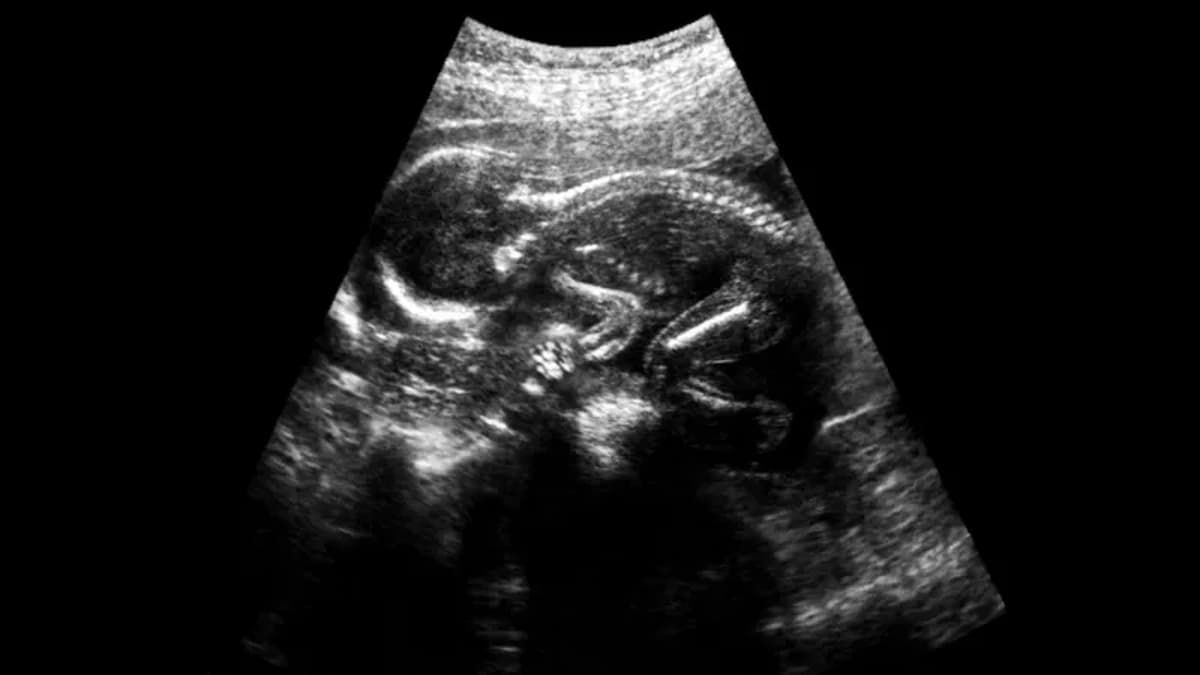
Prenatal Surgery for Spina Bifida May Get a Boost From Stem Cells
Why It Matters
If successful, the stem‑cell patch could transform prenatal surgery by not only closing the defect but also repairing spinal‑cord damage, reducing lifelong paralysis and dependence on shunts.
Key Takeaways
- •First human fetal surgery used stem‑cell‑laden patch for spina bifida
- •Six infants showed no infection, tumor growth, or healing complications
- •Long‑term efficacy pending; toddlers will be monitored through age six
- •Trial expands to 35 patients, aiming to improve mobility and bladder control
Pulse Analysis
Spina bifida affects roughly one in 2,800 newborns in the United States, leaving the spinal cord exposed to amniotic fluid and mechanical trauma. Traditional prenatal repair, introduced over a decade ago, reduces the need for post‑natal shunts and improves motor outcomes, yet it cannot reverse nerve damage already incurred in utero. The condition remains a leading cause of childhood paralysis, bladder dysfunction, and lifelong medical dependence, underscoring the need for therapies that go beyond structural closure.
A multidisciplinary team at UC Davis, led by fetal surgeon Diana Farmer and bioengineer Aijun Wang, engineered a biodegradable patch seeded with placental‑derived stem cells that release neuroprotective factors. After successful trials in sheep and bulldog models—showing better locomotion and restored bladder control—the technique entered a first‑in‑human safety study reported in The Lancet. Six fetuses received the cell‑laden patch without infection, tumor formation, or impaired wound healing, marking a crucial safety milestone for a therapy that could actively regenerate damaged spinal neurons.
The next phase expands the cohort to 35 patients and will follow participants through age six to assess functional gains in movement, continence, and quality of life. Should the approach prove effective, it could reshape the standard of care for severe spina bifida, driving demand for specialized cell‑processing facilities and prompting insurers to reconsider coverage for advanced fetal interventions. Moreover, the platform may extend to post‑natal spinal‑cord injuries, opening a new market for regenerative neurosurgery and positioning UC Davis as a leader in translational fetal medicine.
Prenatal surgery for spina bifida may get a boost from stem cells
Comments
Want to join the conversation?
Loading comments...