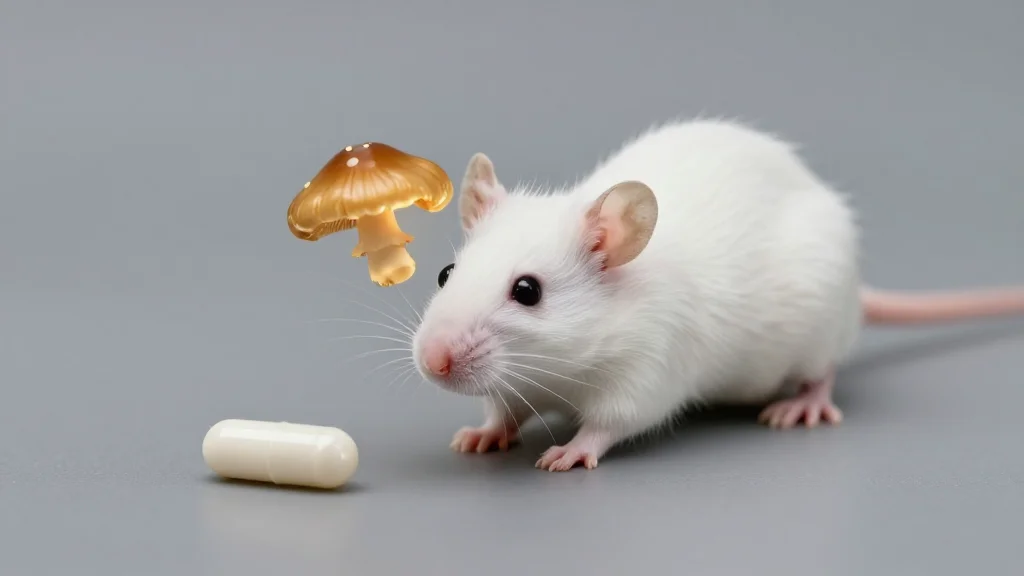
Psilocybin Boosts Gabapentin Pain Relief in Mice, Offering New Path for Neuropathic Therapy

Why It Matters
Chronic neuropathic pain remains a major unmet medical need, with existing drugs offering limited relief and carrying risks of tolerance and addiction. Demonstrating that a single psilocybin dose can both alleviate pain and enhance gabapentin’s efficacy could reshape treatment algorithms, reducing drug load and improving quality of life for patients. Moreover, the study adds to a growing body of evidence that psychedelics can modulate neural circuitry in durable ways, opening doors for their use beyond psychiatry. If human trials confirm these findings, insurers and healthcare systems may need to reconsider coverage models for psychedelic‑assisted therapies. The potential to shorten treatment duration and lower overall medication consumption could generate cost savings, while also prompting new regulatory frameworks for combining psychedelics with standard pharmaceuticals.
Key Takeaways
- •Single psilocybin dose reduced pain sensitivity in mice for up to 28 days (males) and 7 days (females).
- •Psilocybin enhanced the analgesic effect of gabapentin in a neuropathic pain model.
- •Study used 157 adult mice with partial nerve transection, testing two psilocybin doses (0.3 mg/kg, 1 mg/kg).
- •No sedation or motor impairment observed; stress markers decreased and body weight increased.
- •Findings published in Communications Biology; next step is human clinical evaluation.
Pulse Analysis
The convergence of psychedelic research and pain management marks a pivotal moment for the pharmaceutical landscape. Historically, drug development for neuropathic pain has been hampered by modest efficacy and high adverse‑event profiles. Psilocybin’s ability to remodel brain connectivity offers a mechanistic advantage that traditional analgesics lack, potentially addressing the central sensitization that underlies chronic pain.
From a market perspective, the analgesic space is dominated by generic compounds like gabapentin and pregabalin, leaving little room for premium pricing. However, a psilocybin‑gabapentin combo could command a differentiated value proposition, especially if it reduces dosing frequency or eliminates the need for polypharmacy. Companies that secure intellectual property around formulation, dosing schedules, or delivery methods may capture a new revenue stream, while also navigating the complex regulatory terrain that psychedelics still face.
Clinically, the gender‑specific duration of effect observed in mice raises questions about hormonal or metabolic influences that will need careful exploration in human cohorts. Moreover, the study’s reliance on a single dose suggests a low‑frequency treatment paradigm, which could alleviate concerns about tolerance and abuse that have plagued opioid therapies. As the field moves toward Phase I trials, the key challenges will be establishing safety in patients with comorbid conditions, defining optimal timing relative to gabapentin administration, and securing regulatory approval pathways that accommodate a psychedelic adjunct. Success could catalyze a broader re‑evaluation of psychedelics as modulators of neural plasticity across a spectrum of chronic disorders.
Psilocybin Boosts Gabapentin Pain Relief in Mice, Offering New Path for Neuropathic Therapy
Comments
Want to join the conversation?
Loading comments...