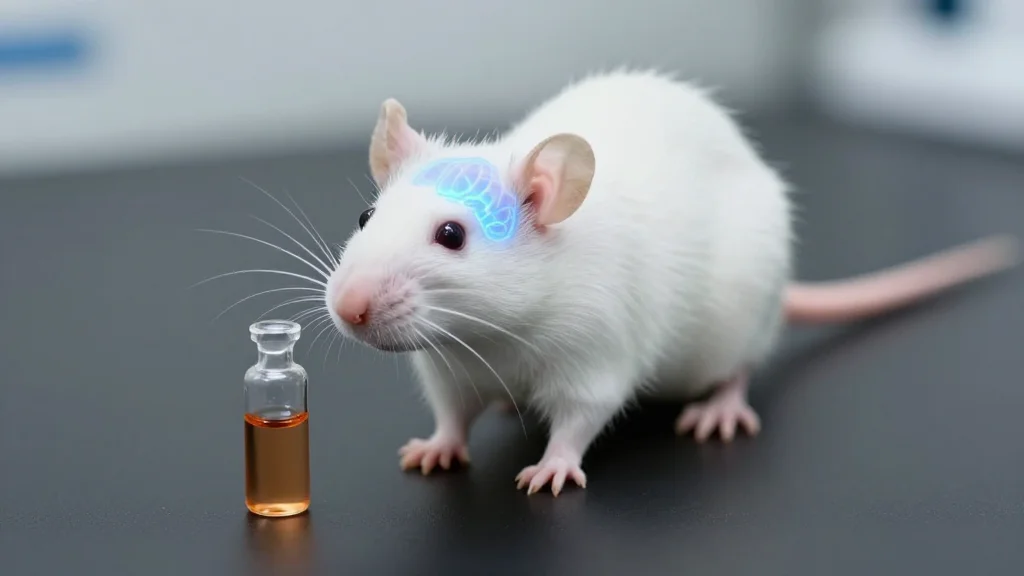
Psychedelic Compound Reduces Cocaine Motivation and Cravings in Animal Models
Why It Matters
The work demonstrates that precise 5‑HT2A activation can blunt cocaine reward, offering a mechanistic pathway for developing safer, addiction‑focused medications. As stimulant abuse spikes globally, such therapies could fill a critical gap left by existing behavioral and pharmacologic options.
Key Takeaways
- •(-)-DOI sharply cuts cocaine self‑administration in male rats
- •Effect reverses when serotonin 2A receptor is blocked
- •Treated rats show higher demand elasticity, abandoning cocaine sooner
- •Study isolates 5‑HT2A activation as driver of reduced motivation
- •Findings may guide non‑hallucinogenic drugs for stimulant addiction
Pulse Analysis
Stimulant use disorder remains one of the most stubborn public‑health challenges, with cocaine addiction driving rising overdose deaths and limited pharmacologic options. While traditional therapies focus on dopamine pathways, a wave of psychedelic research has revived interest in serotonin’s role, especially as early human trials with psilocybin and LSD hint at broader applicability. The current study adds a crucial preclinical layer, showing that a highly selective 5‑HT2A agonist can directly diminish drug‑seeking behavior without the broader hallucinogenic profile of classic psychedelics.
In the laboratory, male rats trained to self‑administer cocaine were given (-)-DOI, a compound that binds almost exclusively to the serotonin 2A receptor. Across multiple doses, the rats pressed the lever far fewer times, and a subsequent antagonist blocked this effect, confirming receptor specificity. By employing a behavioral‑economic demand curve, researchers quantified a sharp rise in elasticity: the animals abandoned cocaine much sooner as the effort required increased. This dual‑approach—pharmacologic precision paired with economic modeling—provides a robust framework for assessing how altering reward valuation can curb compulsive drug use.
The implications extend beyond academic curiosity. Pharmaceutical developers can now target the 5‑HT2A site to design molecules that retain anti‑craving benefits while minimizing psychedelic side effects, potentially delivering a new class of addiction medicines. Future work must address gender differences, varied dosing regimens, and translation to human neurobiology, but the pathway is clear: precise serotonin modulation could become a cornerstone of next‑generation stimulant‑use treatments, offering hope to millions still underserved by existing interventions.
Psychedelic compound reduces cocaine motivation and cravings in animal models
Comments
Want to join the conversation?
Loading comments...