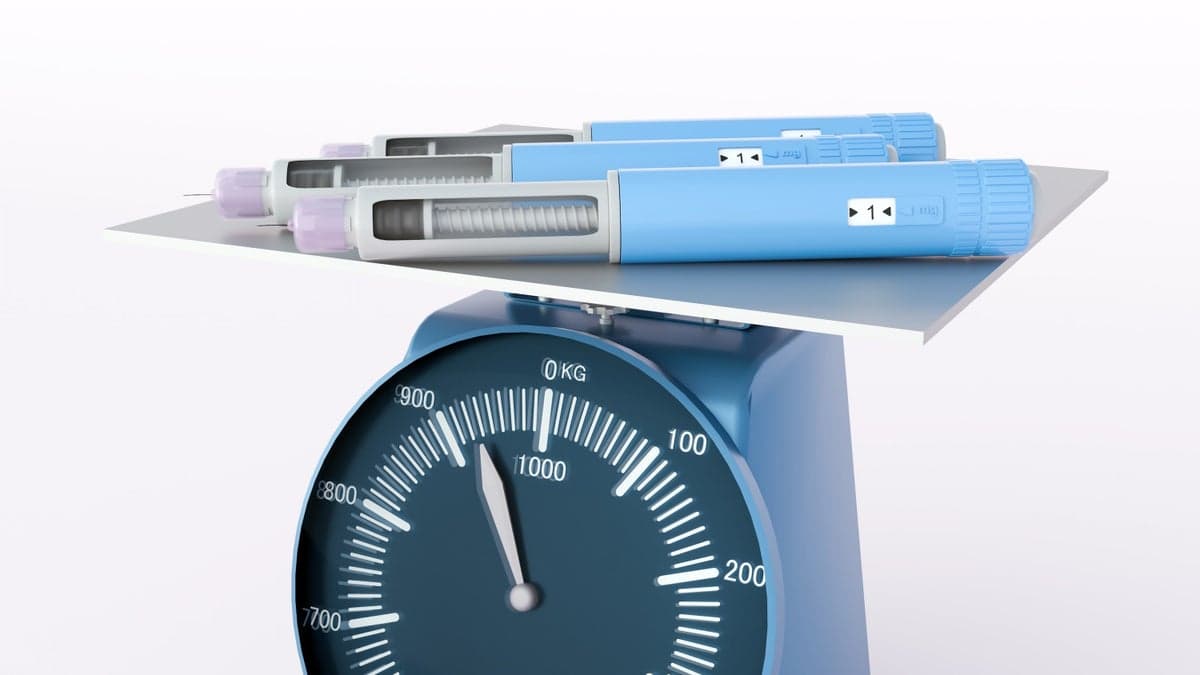
Retatrutide Results Spark Questions About How Rapid Weight Loss Affects the Body
Why It Matters
Retatrutide could redefine obesity treatment, but unchecked muscle, bone, and gallbladder risks may offset health benefits, influencing prescribing practices and regulatory review.
Key Takeaways
- •Retatrutide cut average weight by 28.3% (≈70 lb) in 80 weeks
- •GLP‑1 therapies may shed 25‑40% lean mass, risking muscle loss
- •Gallstone risk rises 37% with GLP‑1 drugs due to slowed gastric emptying
- •Calcium, vitamin D, protein, and resistance training can mitigate bone and muscle loss
- •Trial omitted body‑composition data, prompting calls for stricter monitoring guidelines
Pulse Analysis
Retatrutide, Eli Lilly’s triple‑receptor agonist, has emerged as the most potent GLP‑1‑based weight‑loss agent to date. 3 percent of their body weight—roughly 70 pounds—placing the result on par with outcomes traditionally reserved for bariatric surgery. By engaging glucagon, GLP‑1, and GIP pathways, the molecule delivers sustained satiety and improved glycemic control, outperforming earlier agents such as semaglutide (Wegovy) and tirzepatide (Zepbound). The data have accelerated speculation that the FDA could grant approval within the next year, potentially reshaping the obesity‑treatment landscape. Rapid, deep weight loss, however, is not without physiological trade‑offs.
Studies of earlier GLP‑1 drugs indicate that 25‑40 percent of the total mass lost can be lean tissue, raising concerns about muscle weakness and reduced functional capacity. Bone mineral density also declines as mechanical loading diminishes, a particular worry for post‑menopausal women already prone to osteoporosis. Moreover, GLP‑1‑induced slowing of gastric emptying elevates bile stasis, contributing to a 37 percent higher relative risk of gallstone formation. Clinicians are therefore urged to pair the medication with adequate protein intake, calcium‑vitamin D supplementation, and resistance training, while monitoring body‑composition metrics throughout treatment. The commercial implications are sizable.
If approved, retatrutide could capture market share from both pharmaceutical competitors and surgical centers, driving a shift toward drug‑centric obesity management. Yet regulators and payers will likely demand robust safety data, especially regarding long‑term musculoskeletal outcomes. Professional societies are expected to draft prescribing algorithms that balance efficacy with the risk of muscle, bone, and gallbladder complications. For patients, the promise of dramatic weight loss must be weighed against the need for lifestyle support and vigilant follow‑up. Ongoing trials that include DXA scans and muscle‑strength assessments will be critical to inform evidence‑based guidelines.
Retatrutide results spark questions about how rapid weight loss affects the body
Comments
Want to join the conversation?
Loading comments...