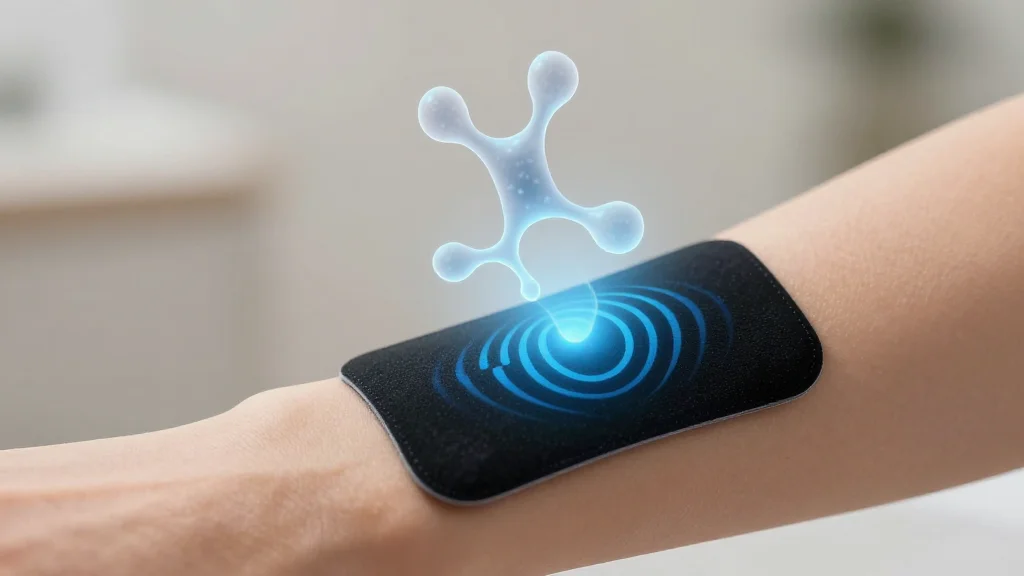
Salk to Lead $41.3M ARPA-H Effort to Advance Sonogenetics Therapies
Why It Matters
Sonogenetics promises precise, non‑invasive treatment without pharmaceuticals, potentially reshaping neuromodulation and expanding biotech pipelines. The sizable federal investment accelerates translation, positioning the U.S. at the forefront of ultrasound‑based therapeutics.
Key Takeaways
- •ARPA-H grants $41.3M to Salk for sonogenetics development
- •Sonogenetics uses ultrasound‑responsive proteins for drug‑free, targeted therapy
- •Collaboration spans Scripps, MIT, Duke, UCSD, and other research institutes
- •First clinical focus: peripheral neuropathies, aiming FDA submission within five years
- •Spinout SonoNeu will use grant funds for regulatory and commercialization efforts
Pulse Analysis
Sonogenetics, first described by Salk researchers in 2011, merges synthetic biology with acoustic physics to create proteins that open in response to harmless ultrasound waves. By converting mechanical energy into cellular signals such as calcium influx, the technology offers a reversible, spatially precise method to modulate cell activity without systemic drugs. This approach could overcome limitations of traditional pharmacology, including off‑target effects and the need for chronic dosing, making it attractive for conditions where timing and location of therapy are critical.
The $41.3 million ARPA‑H award marks a watershed moment for the field, providing the financial muscle to scale from proof‑of‑concept to human trials. A consortium that includes Nobel laureate Ardem Patapoutian’s team at Scripps, MIT’s ultrasound engineering group, and Duke’s vector‑delivery experts will tackle the core challenges: discovering new ultrasound‑sensitive actuators, perfecting wearable transducers, and validating efficacy in mouse and large‑animal models. By targeting peripheral neuropathies—a sizable market with unmet needs—the project aims for an FDA‑ready candidate within five years, a timeline far shorter than typical biotech development cycles.
Commercially, the emergence of a drug‑free, ultrasound‑driven platform could disrupt multiple therapeutic segments, from chronic pain and diabetic complications to cardiac arrhythmias and bladder control. SonoNeu, the Salk spin‑out, will steward the regulatory pathway, leveraging the ARPA‑H funds to de‑risk the technology for investors. If the platform proves scalable, it may spawn a new class of bio‑actuators, opening licensing opportunities and attracting venture capital to a niche that blends biotech, medical devices, and digital health. The broader implication is a shift toward on‑demand, programmable medicine that could redefine how clinicians treat complex, dynamic diseases.
Salk to Lead $41.3M ARPA-H Effort to Advance Sonogenetics Therapies
Comments
Want to join the conversation?
Loading comments...