Scientists Race to Test Treatments as Ebola Outbreak Widens
Why It Matters
A lack of Bundibugyo‑specific therapy threatens higher mortality and could enable regional spread, underscoring an urgent need for targeted drug development and rapid clinical testing.
Key Takeaways
- •695 infected, 138 deaths in DRC outbreak.
- •Virus is Bundibugyo species, distinct from classic Ebola virus.
- •WHO recommends two drugs only for Ebola virus, not Bundibugyo.
- •Researchers urgently testing repurposed antivirals for efficacy.
- •Intensive supportive care boosts survival at Rwampara treatment center.
Pulse Analysis
The current Ebola flare‑up in eastern Congo is unusual because it is driven by the Bundibugyo strain, a less‑studied cousin of the classic Ebola virus that has dominated the last five decades of outbreaks. With 695 confirmed cases and 138 fatalities, the epidemic is expanding beyond isolated hotspots, prompting the World Health Organization and local health agencies to mobilize resources quickly. The virus’s genetic divergence means that the two WHO‑endorsed therapeutics—monoclonal antibody cocktails effective against the Zaire‑type Ebola—cannot be assumed to work, leaving clinicians reliant on aggressive supportive measures such as rehydration, blood transfusions, and oxygen therapy.
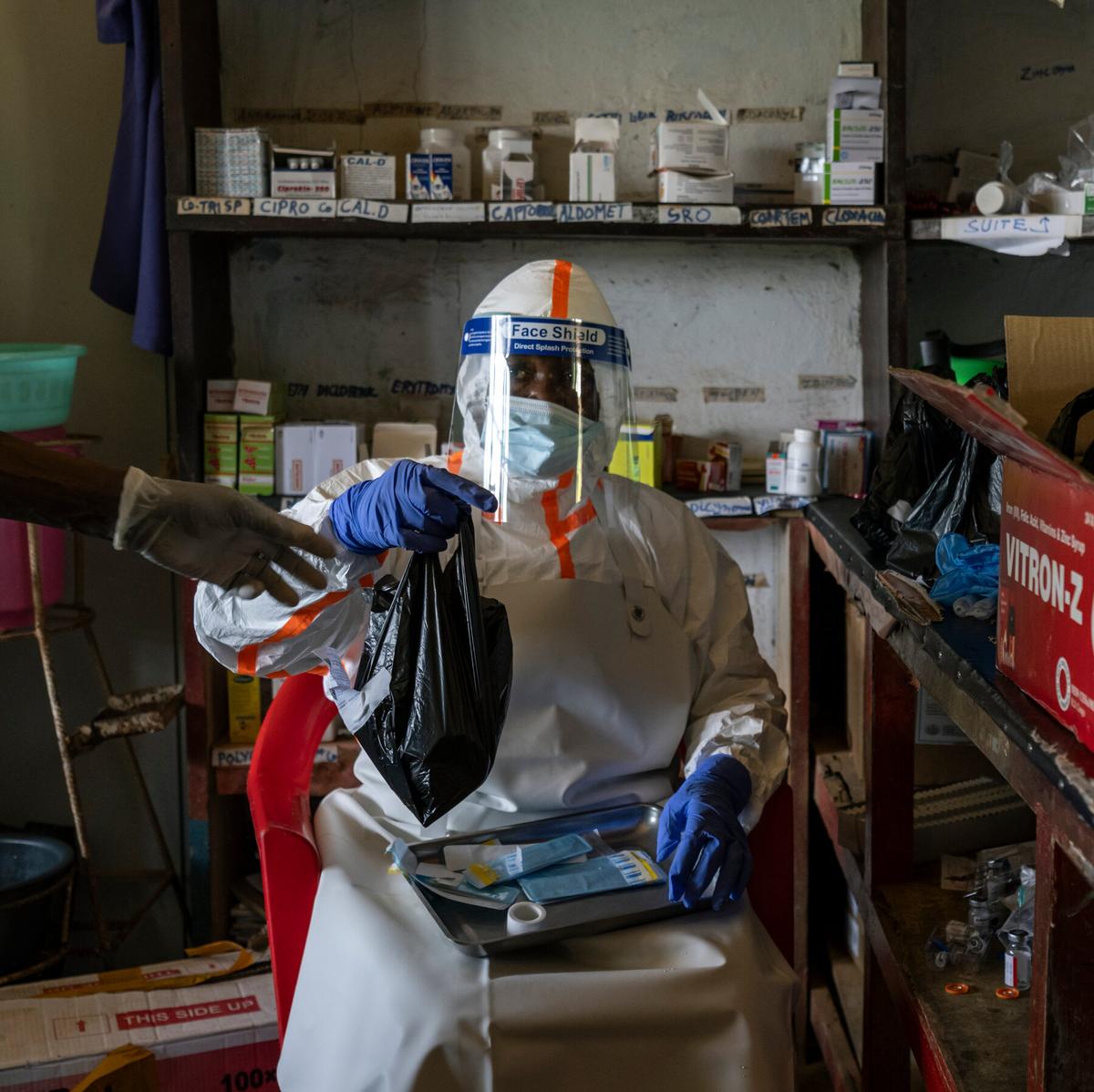
In the makeshift Rwampara center, clinicians like Dr. Papys Lame are delivering intensive care that has already raised survival odds compared with earlier crises. Yet the absence of a targeted antiviral remains a glaring vulnerability. International research teams are repurposing existing antivirals, including broad‑spectrum agents originally designed for other viral families, and fast‑tracking small‑scale trials under emergency use protocols. Early laboratory data suggest some cross‑reactivity, but definitive efficacy can only be confirmed through controlled studies, which are hampered by the outbreak’s remote setting and limited infrastructure.
The broader implications extend beyond the Congo border. A failure to secure an effective Bundibugyo treatment could embolden the virus to cross into neighboring countries, stressing already fragile health systems. The episode highlights the necessity for a diversified therapeutic pipeline that anticipates viral evolution, as well as stronger global coordination for rapid trial deployment. Investing in strain‑specific drug development and flexible regulatory pathways will be essential to contain future filovirus threats before they become global emergencies.
Scientists Race to Test Treatments as Ebola Outbreak Widens
Comments
Want to join the conversation?
Loading comments...