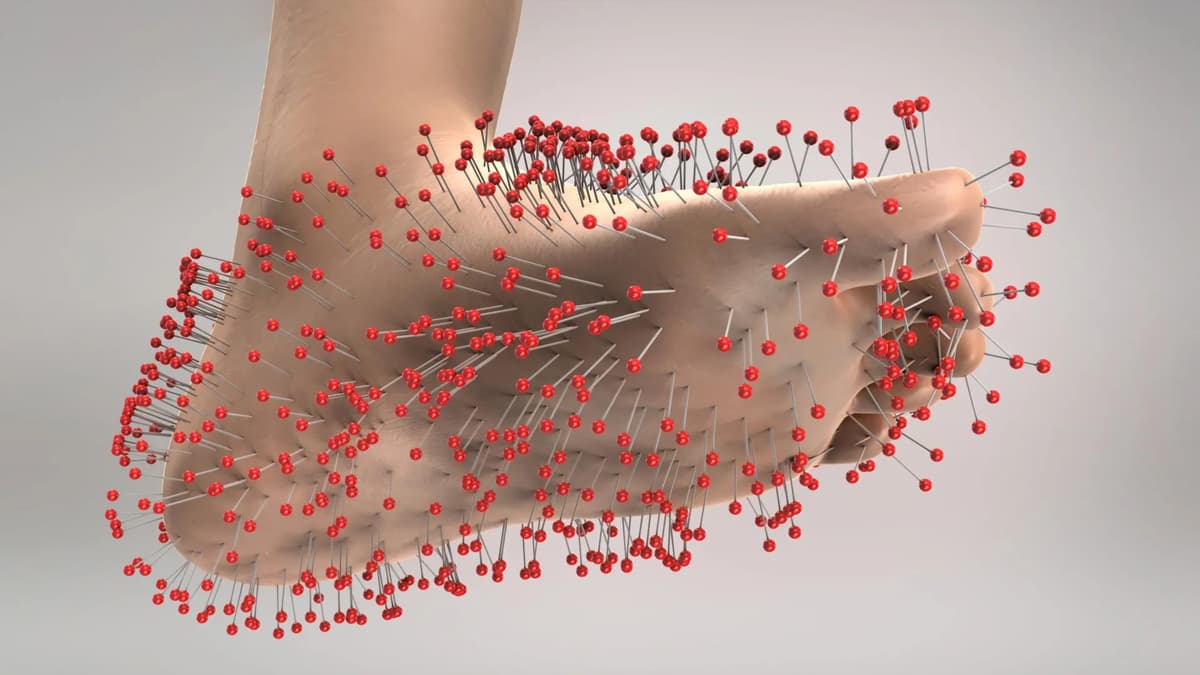
Scientists “Recharge” Damaged Nerves to Ease Chronic Pain
Why It Matters
Targeting mitochondrial dysfunction attacks a root cause of neuropathic pain, potentially reducing reliance on opioids and other symptom‑focused therapies. Successful translation could reshape treatment pipelines for diabetic neuropathy, chemotherapy‑induced pain, and other chronic nerve disorders.
Key Takeaways
- •Mitochondrial transfer reduces neuropathic pain up to 50% in mice
- •Satellite glial cells deliver mitochondria via tunneling nanotubes
- •Protein MYO10 essential for nanotube formation and pain relief
- •Healthy donor mitochondria, not diabetic, alleviate pain in rodent models
- •Approach targets root cause, offering alternative to traditional analgesics
Pulse Analysis
Chronic neuropathic pain affects millions, yet existing therapies largely mask symptoms rather than address underlying biology. Recent research has highlighted mitochondrial dysfunction as a driver of nerve degeneration, linking energy deficits to heightened pain signaling. By reframing pain as a cellular energy problem, scientists open a pathway for interventions that restore cellular health instead of merely dampening neural transmission.
In a Nature‑published study, Duke researchers focused on satellite glial cells that encircle sensory neurons. They discovered that these glia use tunneling nanotubes—microscopic bridges—to pass healthy mitochondria directly into neurons, a process governed by the protein MYO10. When the team enhanced this transfer in diabetic and chemotherapy‑injured mouse models, pain‑related behaviors fell by roughly half, and relief persisted for up to two days. Crucially, only mitochondria sourced from non‑diabetic donors conferred benefit, underscoring the importance of mitochondrial quality.
If these preclinical results translate to humans, the therapeutic landscape could shift dramatically. A mitochondrial‑based therapy would target the etiology of nerve pain, potentially reducing dependence on opioids and NSAIDs while offering longer‑lasting relief. However, challenges remain, including scalable mitochondrial isolation, delivery to dorsal root ganglia, and regulatory pathways for cell‑derived products. Continued high‑resolution imaging and clinical trials will be essential to validate safety and efficacy, but the study positions mitochondrial transfer as a promising frontier in chronic pain management.
Scientists “recharge” damaged nerves to ease chronic pain
Comments
Want to join the conversation?
Loading comments...