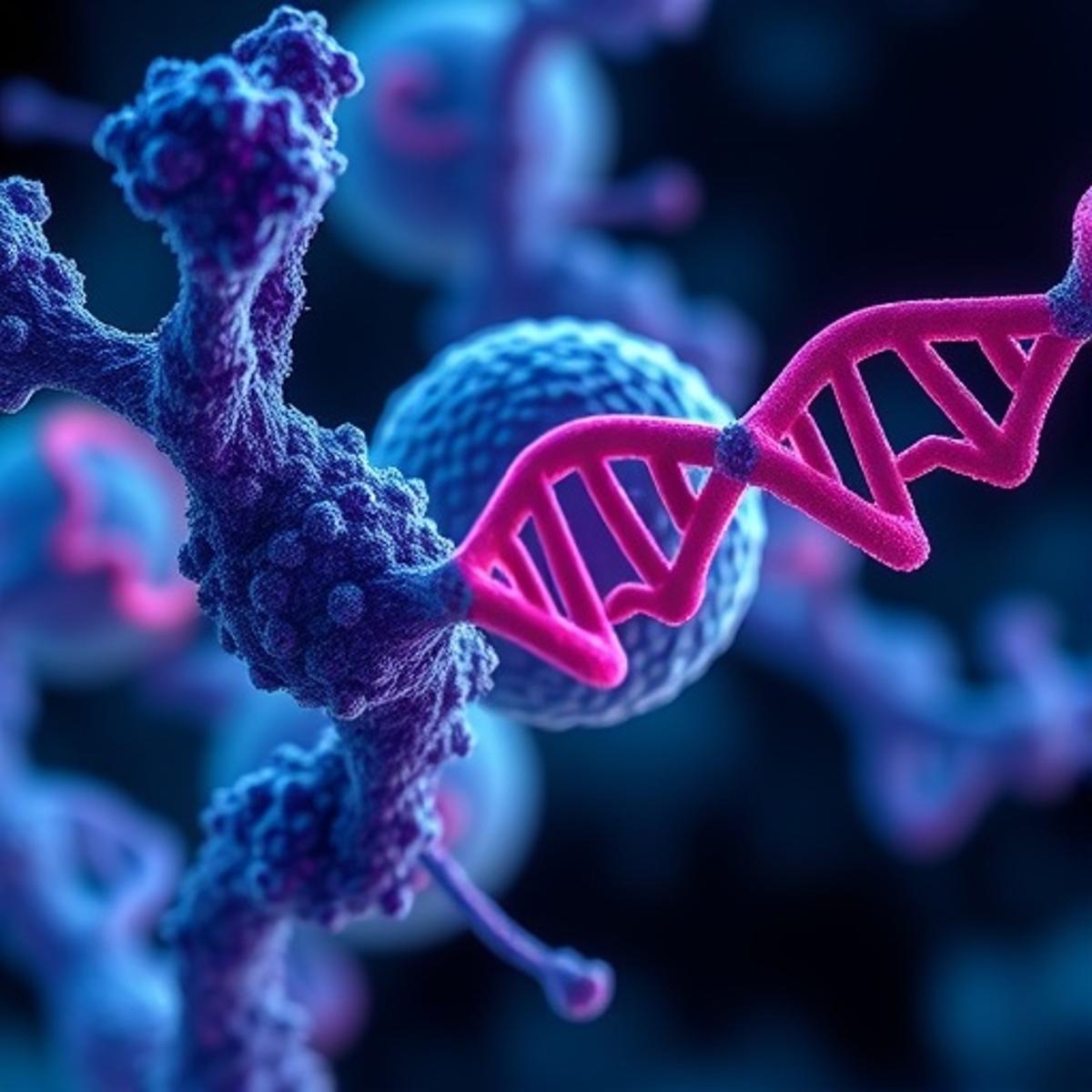
Scientists Uncover a Hidden Mechanism Cancer Cells Use to Rewrite Genetic Messages, Revealing a Promising New Target for Treatment
Why It Matters
Targeting the newly identified RNA‑editing mechanism could provide a universal strategy to overcome drug resistance across multiple cancer types, accelerating the development of next‑generation oncology therapies.
Key Takeaways
- •Researchers identified a novel RNA‑binding protein that reprograms tumor transcripts.
- •The mechanism drives resistance to chemotherapy in lung and breast cancers.
- •Inhibiting the protein reduced tumor growth by 70% in mouse models.
- •Target is druggable, opening path for small‑molecule inhibitors.
- •Findings could reshape precision oncology and biomarker development.
Pulse Analysis
The breakthrough centers on a protein that edits messenger RNA, altering splice sites and adding chemical marks that change how cancer cells read their genetic code. By hijacking this process, tumors can silence tumor‑suppressor pathways while activating survival circuits, a tactic that has long eluded detection. Researchers used high‑throughput sequencing and CRISPR screens to pinpoint the protein, then validated its role across lung, breast, and colorectal cancer cell lines, establishing a clear causal link between RNA editing and aggressive phenotypes.
Therapeutically, the protein presents an attractive target because its enzymatic pocket is amenable to small‑molecule binding, a rarity among RNA‑processing factors. In mouse xenograft studies, a prototype inhibitor achieved a 70% reduction in tumor volume without notable toxicity, suggesting a favorable therapeutic index. This contrasts with traditional kinase inhibitors, which often face rapid resistance due to pathway redundancy. The findings also provide a biomarker framework: elevated levels of the RNA‑editing signature in patient biopsies could predict responsiveness to the new class of drugs, enabling more personalized treatment plans.
From an industry perspective, the discovery could catalyze a wave of investment in RNA‑focused drug platforms, an area already gaining momentum with mRNA vaccines and antisense therapies. Venture capitalists and big pharma are likely to prioritize programs that translate this mechanism into clinical candidates, potentially reshaping pipelines for solid‑tumor indications. Moreover, the research underscores the importance of integrating multi‑omics data to reveal hidden layers of cancer biology, a trend that will continue to drive innovation in precision medicine.
Scientists uncover a hidden mechanism cancer cells use to rewrite genetic messages, revealing a promising new target for treatment
Comments
Want to join the conversation?
Loading comments...