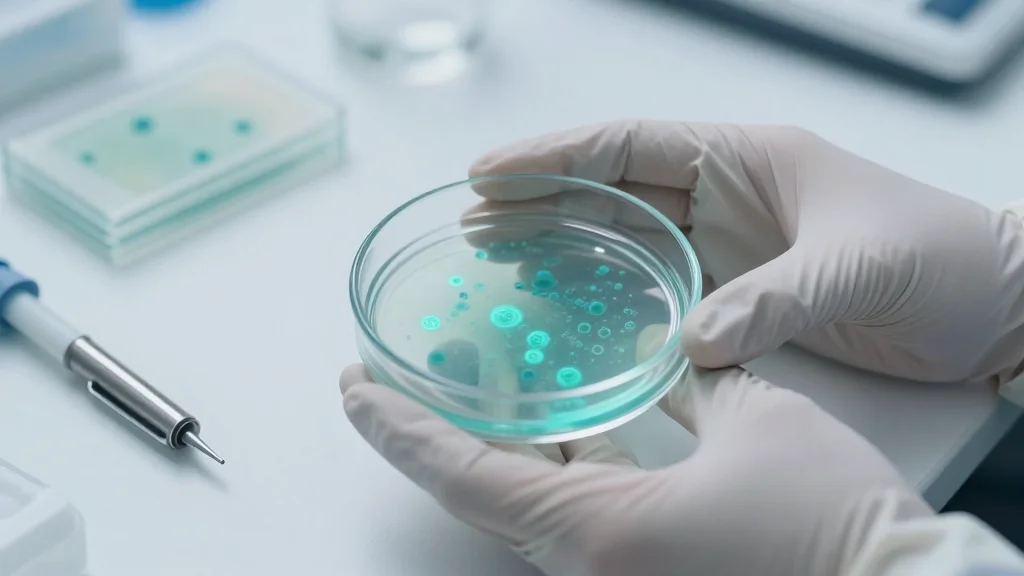
Secretome-Mediated Antimicrobial and Immunomodulatory Activity of Lactobacillus Johnsonii Against Multidrug-Resistant Enteroaggregative Escherichia Coli
Why It Matters
With rising MDR enteric infections, a probiotic that can directly kill pathogens and modulate host immunity offers a viable alternative to dwindling antibiotic options, potentially reducing disease burden in low‑resource settings.
Key Takeaways
- •L. johnsonii auto‑aggregates 80% within four hours.
- •Secretome fractions S5 and S6 kill MDR EAEC in vitro.
- •Biofilm reduction exceeds 80%, outperforming gentamicin.
- •Nitric oxide production in macrophages drops 68%.
- •Nutrient competition not responsible for antimicrobial effect.
Pulse Analysis
Enteroaggregative Escherichia coli (EAEC) remains a leading cause of chronic diarrhea among children in low‑ and middle‑income countries. The pathogen’s growing resistance to frontline antibiotics such as ampicillin, ciprofloxacin and azithromycin has strained public‑health systems and limited therapeutic options. As conventional drug pipelines lag, the scientific community is turning to live biotherapeutics that can out‑compete or directly neutralize resistant bacteria. Probiotics, especially strains with proven gut‑survival traits, are emerging as a pragmatic bridge between nutrition and medicine.
The recent in‑vitro study of Lactobacillus johnsonii highlights why this species is a strong candidate. The strain survived simulated gastric acid and bile, displayed 80 % auto‑aggregation within four hours, and adhered robustly to intestinal epithelial cells—key factors for colonization. More importantly, its cell‑free supernatant inhibited MDR EAEC growth, reduced biofilm mass by over 80 % and displaced pre‑established pathogens, outperforming gentamicin in agar overlay assays. Fractionation pinpointed secreted proteins in fractions S5 and S6 as the primary bactericidal agents, while nutrient competition proved negligible.
These findings have immediate relevance for biotech firms developing next‑generation microbiome therapeutics. A secretome‑based probiotic could be formulated as a capsule or functional food, offering a non‑antibiotic strategy that also dampens host inflammation, as evidenced by a 68 % drop in macrophage nitric‑oxide production. Regulatory pathways for live biotherapeutic products are becoming clearer, paving the way for clinical trials that could validate efficacy in children at risk of MDR diarrheal disease. Successful translation would open a sizable market in both emerging economies and high‑income regions seeking antibiotic‑sparing solutions.
Secretome-Mediated Antimicrobial and Immunomodulatory Activity of Lactobacillus johnsonii Against Multidrug-Resistant Enteroaggregative Escherichia coli
Comments
Want to join the conversation?
Loading comments...