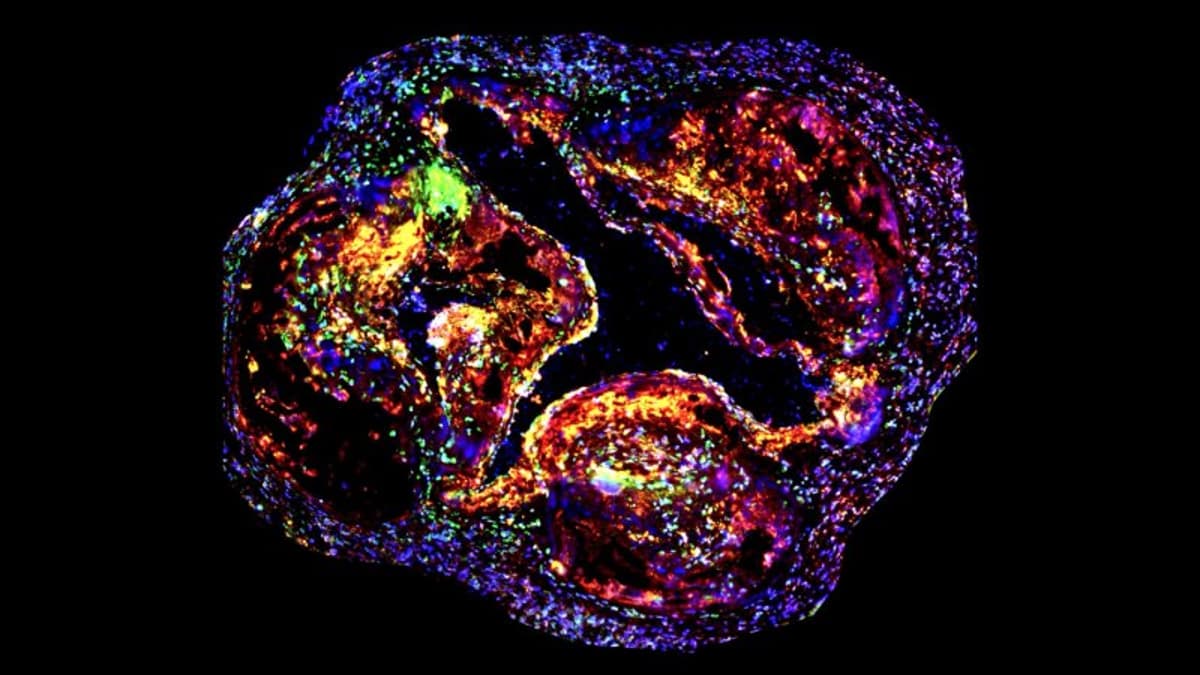
Sleep and Exercise May Dampen Genetic Drivers of Heart Disease
Why It Matters
CH mutations raise cardiovascular death risk by up to 40%; demonstrating that lifestyle choices can modulate this genetic risk opens a practical avenue for prevention beyond drugs.
Key Takeaways
- •Moderate exercise reduces prevalence of certain CH mutations by 13%
- •Poor sleep increases mutant macrophage activity and atherosclerotic plaque size
- •CH mutations raise stroke and heart attack risk by 30‑40%
- •Lifestyle impact varies across different CH gene variants
- •One harmful CH mutation affects 3‑4% of Europeans
Pulse Analysis
Clonal hematopoiesis, the age‑related expansion of blood‑cell clones carrying somatic mutations, has emerged as a hidden driver of cardiovascular disease. While traditionally associated with blood cancers, large‑scale genomic studies have shown that about 10% of people over 70 carry CH mutations that boost inflammation and double the risk of fatal strokes and heart attacks. The condition operates independently of classic risk factors, making it a silent contributor to atherosclerosis that has only recently entered clinical awareness.
The new Nature study adds a behavioral dimension to this genetic puzzle. Analyzing genetic and activity data from more than 91,000 adults, the investigators found that participants engaging in moderate‑to‑vigorous exercise exhibited a 13% reduction in the frequency of high‑risk CH variants. Parallel mouse models—engineered to carry the same mutations and fed a high‑cholesterol diet—showed that voluntary running (up to 10 km per day) shrank arterial plaques, whereas frequent sleep interruptions enlarged them. Importantly, the magnitude of benefit differed among four gene variants, indicating that not all CH mutations respond equally to lifestyle modifications.
These findings suggest a pragmatic lever for clinicians: prescribing sleep hygiene and physical activity may mitigate genetically predisposed cardiovascular risk, especially for the 3‑4% of Europeans carrying a particularly harmful CH mutation. However, the human data are observational, and the mouse results may not fully translate to diverse populations. Future trials should test targeted exercise and sleep interventions in genetically screened cohorts to refine personalized prevention strategies and potentially reduce the public health burden of CH‑related heart disease.
Sleep and exercise may dampen genetic drivers of heart disease
Comments
Want to join the conversation?
Loading comments...