Starwatch: Lyrid Meteor Shower Returns to the Spring Skies
Companies Mentioned
Why It Matters
The Lyrids provide a low‑cost, high‑visibility sky‑watching event that fuels amateur astronomy sales and tourism in clear‑sky regions, while reinforcing public interest in space science.
Key Takeaways
- •Peak activity around 18 meteors per hour on 22 April
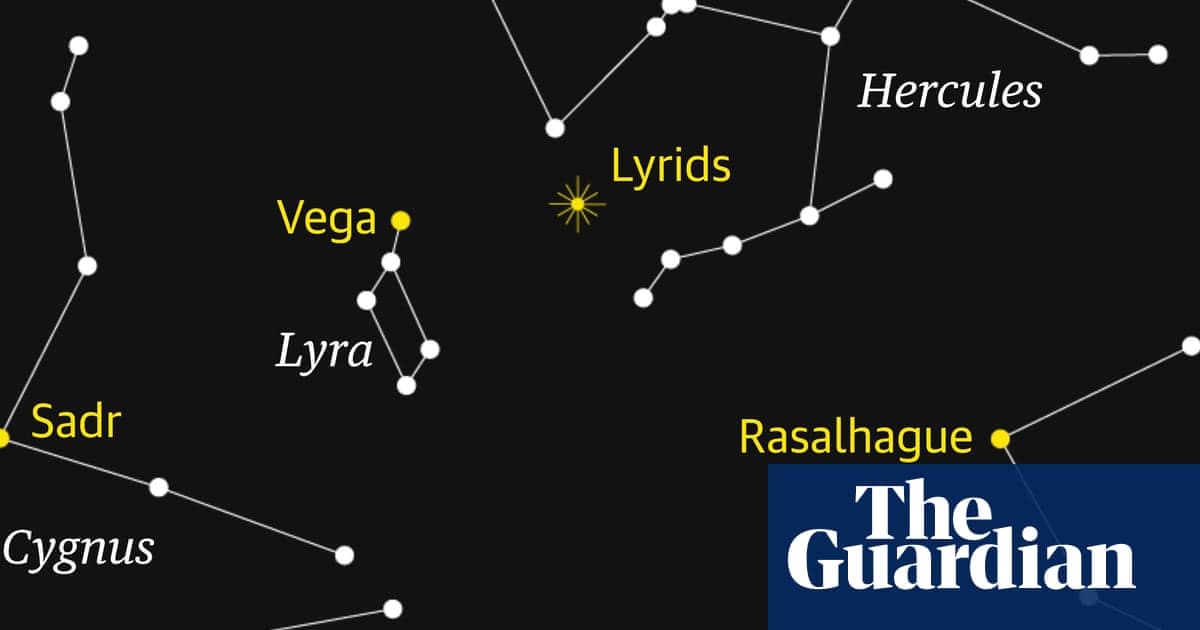
- •Radiant located near Vega in the Lyra constellation
- •Best views after midnight with 20‑30 minute eye adaptation
- •Origin linked to comet Thatcher’s dust tail discovered 1861
- •Southern‑hemisphere visibility limited due to low northern radiant
Pulse Analysis
The Lyrid meteor shower, one of the oldest recorded celestial events, traces its origins to comet Thatcher’s dusty tail. First noted in 687 BC, the shower’s meteoroids enter Earth’s atmosphere at high speed, creating bright, fast streaks that often leave smoky trails. Astronomers use the Lyrids to study cometary debris streams, offering insights into the composition and evolution of small bodies that orbit the Sun. Their predictable annual peak makes them a reliable benchmark for both professional observatories and hobbyists tracking atmospheric entry dynamics.
For sky‑watchers, the Lyrids present a compelling blend of accessibility and spectacle. With a maximum rate of roughly 18 meteors per hour, the shower is visible to the naked eye from most mid‑latitude locations in the Northern Hemisphere. After midnight, when the radiant climbs higher and eyes have adjusted to darkness, observers can enjoy a clear display without specialized equipment. This accessibility drives demand for portable telescopes, star‑mapping apps, and guided night‑tour packages, bolstering a niche market that supports local economies in dark‑sky reserves and rural observatories.
Meteor showers like the Lyrids also underscore broader environmental and scientific themes. Light‑pollution mitigation efforts gain momentum each year as enthusiasts seek darker horizons, prompting municipalities to adopt sky‑friendly lighting ordinances. Meanwhile, ongoing research into meteoroid streams informs planetary defense strategies, as understanding the frequency and size distribution of incoming particles helps refine impact risk models. As the Lyrids illuminate spring skies, they remind the public of humanity’s enduring connection to the cosmos and the economic opportunities that arise from nurturing that curiosity.
Starwatch: Lyrid meteor shower returns to the spring skies
Comments
Want to join the conversation?
Loading comments...