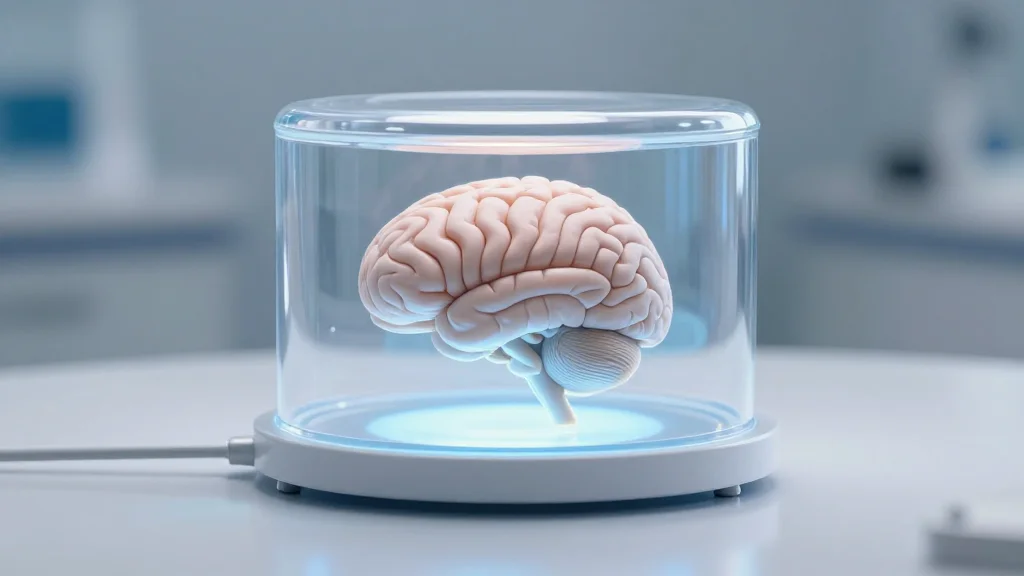
Surprising Number of Doctors Believe We'll Be Reviving Dead Brains
Companies Mentioned
European Biostasis Foundation
Why It Matters
Physician acceptance is a critical gatekeeper for the emerging cryonics market, influencing regulatory pathways and patient adoption. The convergence of ethical support and advancing preservation science could accelerate investment in brain‑preservation technologies.
Key Takeaways
- •30% of US physicians deem brain preservation after death somewhat plausible
- •Nearly 60% see no ethical conflict between care and brain preservation
- •44% support initiating cryopreservation before cardiac arrest
- •New vitrification studies show mouse brain activity persists after freezing
Pulse Analysis
The recent Monash‑led survey shines a light on a shifting medical mindset toward brain cryopreservation. While only a minority—about 30%—view the concept as plausible, a substantial 60% of doctors report no ethical tension in offering preservation services, and nearly half would even begin the process before cardiac arrest. This openness suggests that the once‑niche field of cryonics is gaining legitimacy within mainstream healthcare, a development that could smooth regulatory approval and encourage insurers to consider coverage for neuro‑preservation procedures.
Scientific progress is beginning to back up the optimism. A 2024 study introduced a vitrification protocol that maintains the delicate neural architecture of human brain tissue without the fracturing typical of traditional freezing. Complementary research on mice showed that electrical activity can persist after the brain is turned into a glass‑like state, indicating that functional pathways may survive the preservation process. These breakthroughs address the primary technical criticism—that ice crystal formation destroys critical synaptic connections—and open the door for engineering solutions that could eventually support whole‑brain revival.
The convergence of physician acceptance and emerging technology carries profound implications for the biotech industry. Companies specializing in biostasis are likely to see increased venture capital interest as the perceived risk of ethical backlash diminishes. Moreover, patient demand could rise among those facing terminal diagnoses, turning cryopreservation from a speculative after‑life service into a mainstream medical option. As the field matures, we can expect clearer guidelines, standardized protocols, and perhaps the first clinical trials aimed at preserving cognition beyond death, reshaping both the healthcare landscape and societal notions of mortality.
Surprising number of doctors believe we'll be reviving dead brains
Comments
Want to join the conversation?
Loading comments...