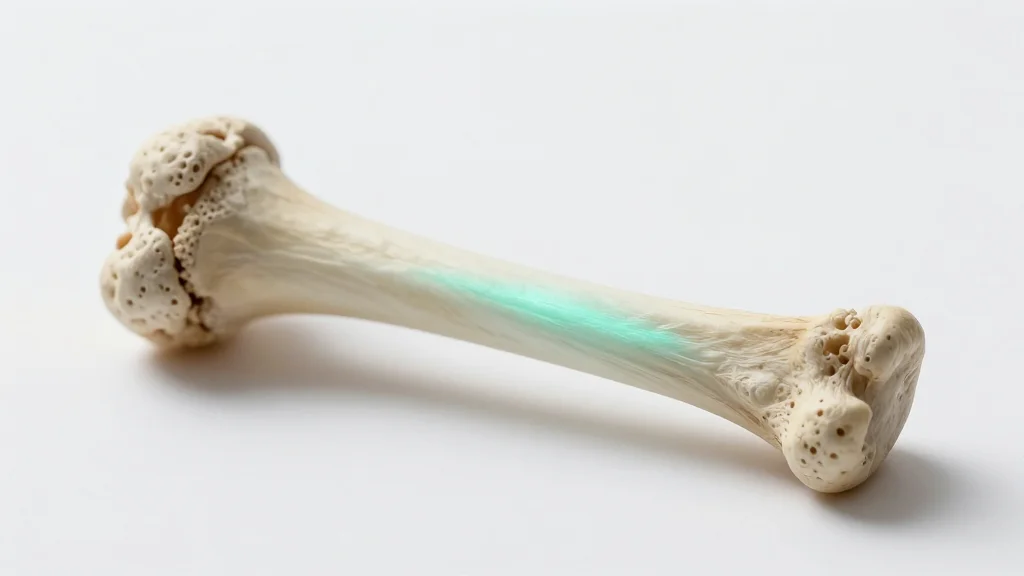
Targeted Therapy Enhances Mobility in Children with Rare Bone Disorder
Why It Matters
Restoring phosphate balance with burosumab directly addresses the metabolic driver of fibrous dysplasia, offering a disease‑modifying option that could replace poorly tolerated oral supplements and improve long‑term mobility, especially in children.
Key Takeaways
- •Burosumab normalized serum phosphate in all trial participants.
- •Pediatric patients regained independent walking or walker‑assisted ambulation.
- •Alkaline phosphatase levels dropped, indicating reduced bone turnover.
- •Safety profile was favorable, with only mild, transient adverse events.
- •Phase 2 results support larger trials and potential FDA approval.
Pulse Analysis
Fibrous dysplasia, a rare skeletal disorder marked by fibrous bone replacement and chronic hypophosphatemia, has long challenged clinicians with limited therapeutic options. The disease’s hallmark excess of fibroblast growth factor‑23 (FGF23) drives phosphate wasting, undermining bone mineralization and precipitating fractures, pain, and deformities. Burosumab, originally approved for X‑linked hypophosphatemia, blocks FGF23’s activity, thereby correcting the underlying phosphate deficit. By targeting the hormonal axis rather than merely supplementing phosphate, the drug offers a mechanistic approach that aligns with contemporary precision‑medicine principles.
The NIH‑led phase 2 trial enrolled twelve severely affected patients, including a pediatric cohort, and monitored biochemical, radiographic, and functional outcomes over a year. Serum phosphate rose to mid‑upper normal ranges in every participant, while alkaline phosphatase—a surrogate for abnormal bone remodeling—declined markedly. Functional assessments revealed striking mobility gains: one child transitioned from full‑time wheelchair use to unaided walking, and another achieved short‑distance ambulation with a walker. Adverse events were limited to mild hyperphosphatemia and injection‑site reactions, reinforcing the drug’s tolerability profile. These results suggest that early intervention can alter disease trajectory, preserving independence during critical developmental windows.
Beyond fibrous dysplasia, the trial underscores the broader potential of FGF23 inhibition for disorders characterized by phosphate dysregulation. Positive safety and efficacy signals pave the way for larger, possibly pivotal studies that could secure regulatory approval and expand market access. For endocrinologists and metabolic bone specialists, burosumab may soon become a cornerstone therapy, shifting standard care away from cumbersome oral regimens toward a targeted biologic solution. The emerging data also highlight the value of multidisciplinary collaborations—uniting researchers, clinicians, and patient advocates—to accelerate precision treatments for rare, high‑burden diseases.
Targeted Therapy Enhances Mobility in Children with Rare Bone Disorder
Comments
Want to join the conversation?
Loading comments...