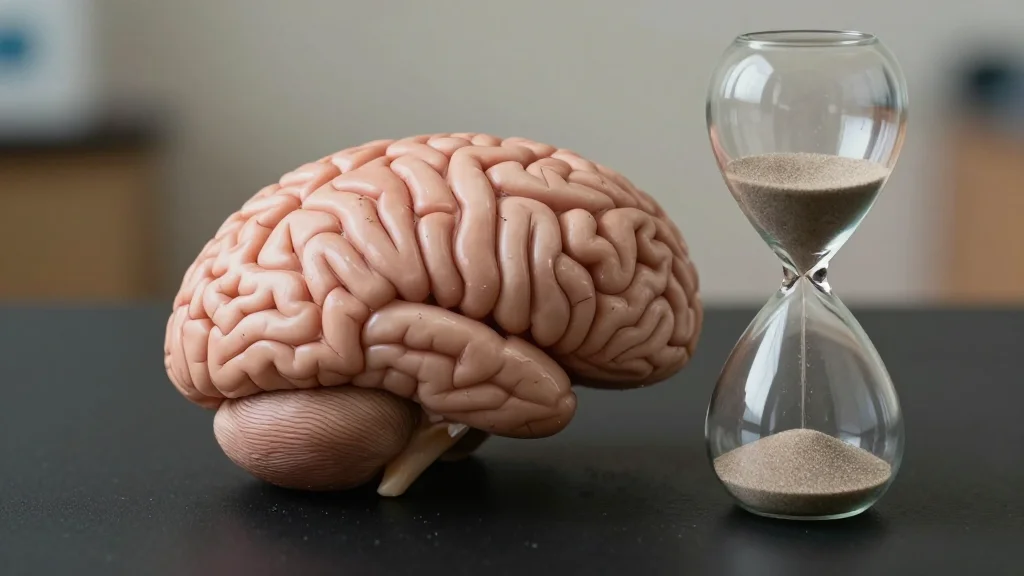
Thalamus Size Identified as an Early Indicator of Future Memory Struggles
Why It Matters
Early, reliable identification of dementia risk enables timely interventions and shifts diagnostic focus from longitudinal shrinkage to baseline brain reserve, potentially improving patient outcomes and resource allocation.
Key Takeaways
- •Baseline thalamus volume predicts two-year memory decline
- •Hippocampal size also linked to future cognitive outcomes
- •Larger lateral ventricles forecast faster attention loss
- •Single scan model distinguished progressing from stable MCI patients
- •Brain reserve outperforms atrophy rate for short‑term prediction
Pulse Analysis
The concept of brain reserve—structural capacity that buffers against neurodegeneration—has long been debated among neuroscientists. While most research emphasizes the hippocampus as the primary marker of memory loss, this study highlights the thalamus as an equally critical hub. By quantifying the anterior and medial thalamic regions alongside hippocampal volume, researchers provide a more nuanced picture of the brain’s built‑in resilience, suggesting that a broader network underpins cognitive longevity.
In a cohort drawn from the Alzheimer’s Disease Neuroimaging Initiative, 75 participants underwent high‑resolution MRI and comprehensive neuropsychological testing. Over an average follow‑up of 21 months, baseline volumes of the thalamus and hippocampus proved far stronger predictors of decline than the rate of tissue loss measured over the same period. The derived statistical model flagged all 20 individuals who transitioned from mild cognitive impairment to dementia, achieving high accuracy with just a single scan—an attractive proposition for clinicians seeking cost‑effective, early‑stage diagnostics.
The findings carry practical implications despite the study’s modest sample size and relatively short observation window. They suggest that routine baseline imaging could become a frontline tool for risk stratification, allowing physicians to prioritize patients for preventive therapies or clinical trials. Future work must validate the model in larger, more diverse populations and integrate biomarker data such as amyloid and tau. If confirmed, this shift toward static brain‑reserve metrics could reshape screening protocols and accelerate the move toward personalized dementia care.
Thalamus size identified as an early indicator of future memory struggles
Comments
Want to join the conversation?
Loading comments...