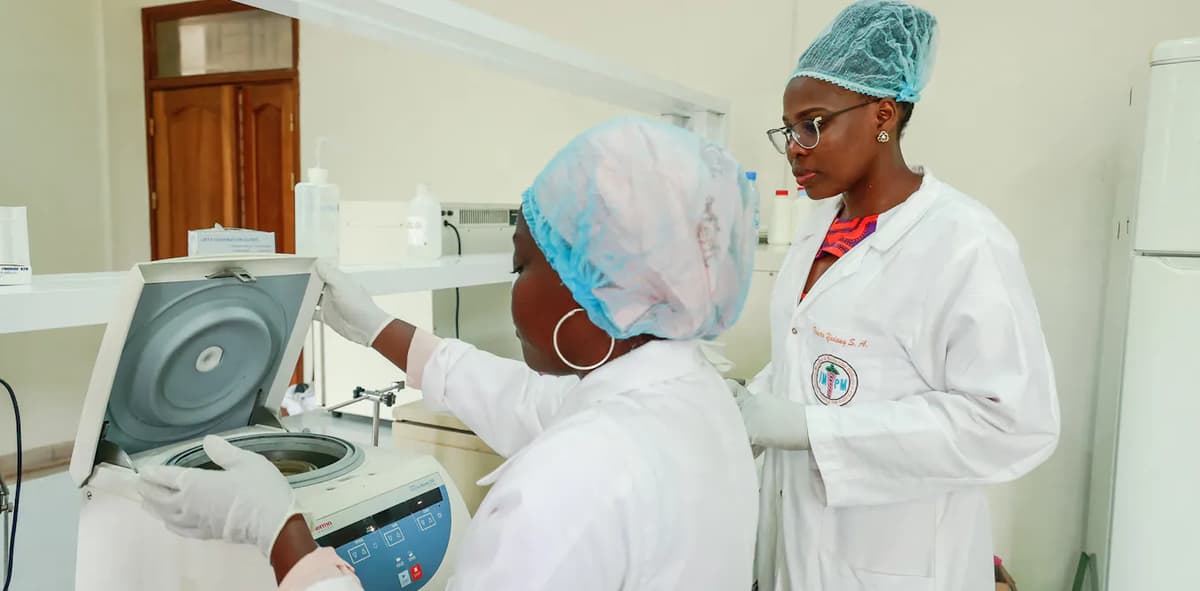
The Bias in Medical Research: Africa Carries a Huge Disease Burden but Is Missing From Clinical Trials
Why It Matters
Excluding African populations from trials produces evidence that may not apply to local genetics, environments, and disease patterns, jeopardizing treatment efficacy and safety for millions.
Key Takeaways
- •Only 3.9% of top‑journal trials were conducted solely in Africa.
- •Cardiovascular trials in Africa represent just 0.6% of published studies.
- •76% of African trials focus on infectious diseases despite rising NCD burden.
- •South Africa contributed over 62% of the continent’s trial output.
- •African scientists led only 3.6% of multicontinental trials with African sites.
Pulse Analysis
The recent systematic review of nearly 2,500 randomized controlled trials underscores a structural gap in global health research: Africa’s disease burden is massive, yet its populations are barely visible in the evidence base that guides modern medicine. By focusing on the most influential journals—including NEJM, The Lancet, JAMA, and leading cardiology publications—the study quantifies a 3.9% representation in general medicine and a mere 0.6% in cardiovascular research. This disparity is not merely academic; it translates into a lack of external validity, meaning that therapies validated elsewhere may perform differently—or even harm—African patients whose genetics, diet, and health systems diverge from the trial cohorts.
The consequences are palpable as Africa undergoes an epidemiological transition. While 76% of the continent’s trials still target infectious diseases, non‑communicable conditions now cause about 38% of deaths, driven by a middle class that has tripled to 300 million people. Under‑representation in trials means clinicians must extrapolate data from non‑African populations, risking suboptimal dosing, unexpected side‑effects, and missed therapeutic opportunities. Evidence already shows higher adverse‑event rates for certain ACE inhibitors and variable responses to diabetes drugs among Black patients, reinforcing the urgency of inclusive research designs.
Addressing this bias requires coordinated investment in African‑led research infrastructure. Initiatives like the Alliance for Medical Research in Africa are building capacity, but sustainable change hinges on ring‑fenced funding, regional trial networks, and journal policies that mandate reporting of participant diversity. When African scientists lead studies, the resulting data are more likely to inform local guidelines, improve patient outcomes, and attract global pharmaceutical interest. The shift toward a truly universal evidence base is both a scientific imperative and a market opportunity as Africa’s health‑care demand expands rapidly.
The bias in medical research: Africa carries a huge disease burden but is missing from clinical trials
Comments
Want to join the conversation?
Loading comments...