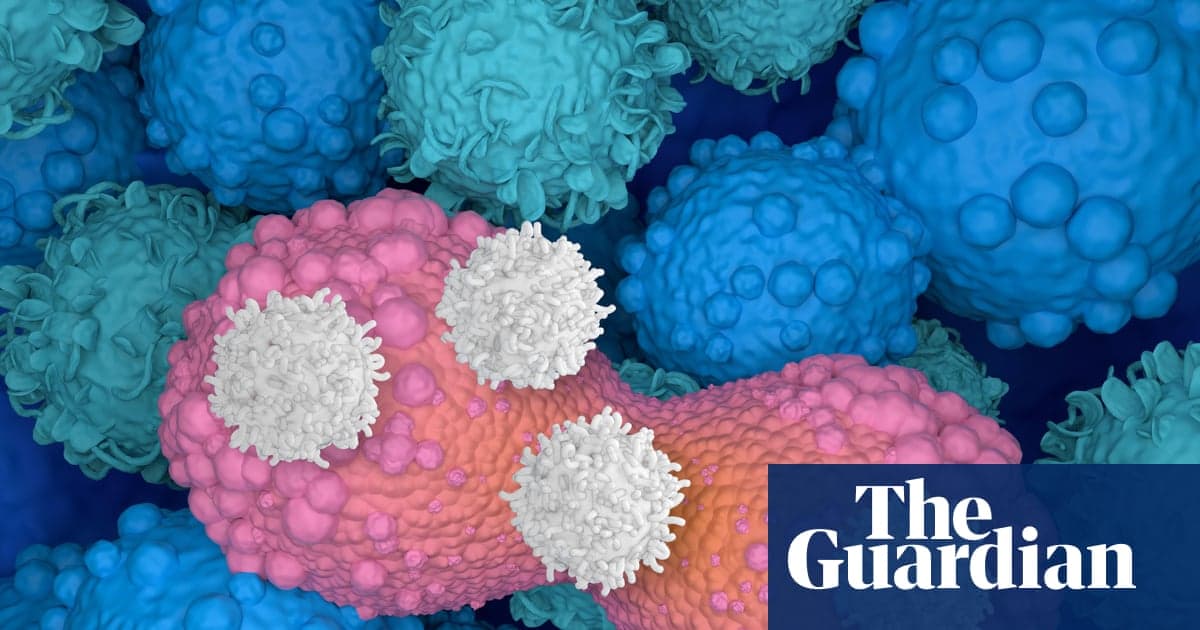
The Emerging Cancer Treatment That’s Exciting Scientists: ‘We’ve Just Scratched the Surface on What’s Possible’
Why It Matters
The breakthrough demonstrates CAR T’s transition from niche blood‑cancer therapy to a broader oncology platform, promising longer remissions with fewer hospital visits. Accelerated funding and cost‑cutting innovations could make it a mainstream, cost‑effective cancer solution.
Key Takeaways
- •CAR T-cell therapy shows remission in stage‑three cancer case.
- •Four CAR T therapies approved in Australia 2018, all for blood cancers.
- •Researchers are engineering in‑vivo CAR T production to cut costs.
- •Solid tumour applications face delivery challenges but early trials show promise.
- •Government funding makes Carvykti free in public hospitals, reducing $132k cost barrier.
Pulse Analysis
Chimeric antigen receptor (CAR) T‑cell therapy has moved from a laboratory curiosity in the 1990s to a commercial reality in the past decade. By extracting a patient’s T‑cells, inserting a synthetic receptor that acts like a GPS, and reinfusing the engineered cells, clinicians can direct a living drug against malignant cells. In Australia, four CAR T products received Therapeutic Goods Administration approval since 2018, delivering impressive remission rates in leukemias and lymphomas. However, the price tag—up to A$500,000 (≈US$330,000) per treatment—has limited widespread adoption, prompting a search for cheaper manufacturing pathways.
The next frontier is extending CAR T efficacy to solid tumours such as breast, brain and prostate cancers, where the tumor micro‑environment creates a hostile fortress. Researchers are refining the “GPS” precision, adding co‑stimulatory domains and engineering cells to secrete supportive cytokines, which has already yielded longer survival in gastrointestinal cancers and encouraging signals in pediatric brain tumours. A particularly promising avenue is in‑vivo CAR T generation, where a viral vector injected into the patient programs their own immune system, potentially slashing production costs and simplifying logistics.
Policy decisions are now catching up with scientific momentum. The Australian federal government’s decision to fund Carvykti—a CAR T therapy for multiple myeloma—at no cost to public‑hospital patients effectively reduces the barrier from A$200,000 (≈US$132,000) to zero for eligible cases, signaling confidence in the modality’s value. This public investment, combined with private venture capital flowing into biotech firms developing next‑generation CAR platforms, could position Australia as a hub for immunotherapy manufacturing. If cost‑effective, off‑the‑shelf solutions emerge, CAR T may become a standard, one‑time treatment across a spectrum of cancers.
The emerging cancer treatment that’s exciting scientists: ‘We’ve just scratched the surface on what’s possible’
Comments
Want to join the conversation?
Loading comments...