“The Pain Isn’t the Hardest Challenge…” Agency, Not Anatomy Drives Recovery From Persisting Low Back Pain in Elite Athletes
Why It Matters
The research shows that recovery in elite sport hinges on psychosocial factors, prompting clinicians and organizations to redesign pain management toward validation and shared decision‑making, which can protect athletes’ performance and well‑being.
Key Takeaways
- •Athletes view pain as threat to identity, not just physical symptom
- •Clinician validation boosts athlete agency and speeds rehabilitation
- •Mental health distress and low back pain reinforce each other
- •Supportive coach and teammate relationships reduce disclosure fear
Pulse Analysis
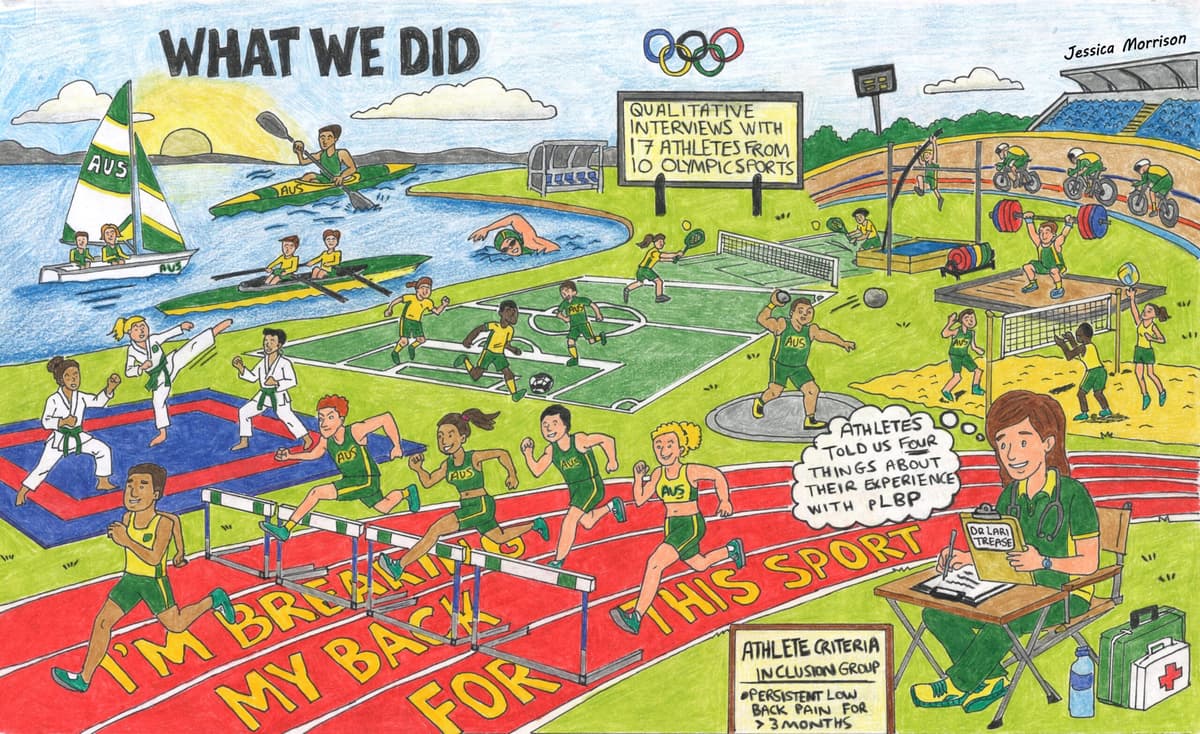
Low back pain (LBP) remains one of the most prevalent injuries in elite sport, affecting roughly half of high‑performance athletes each year. Traditional management has leaned heavily on biomechanical assessments and exercise prescriptions, yet this study of 17 Australian Olympians demonstrates that the lived experience of pain is far more complex. By employing semi‑structured interviews and reflexive thematic analysis, researchers uncovered four interrelated themes: the expansive burden of pain, the pivotal role of validation, the bidirectional link between mental health and pain, and the influence of sport culture on recovery trajectories. These insights underscore the inadequacy of a purely anatomical lens for addressing persistent LBP in high‑stakes environments.
The most compelling revelation is that validation—clear, empathetic communication from clinicians—acts as a catalyst for athlete agency. When athletes receive a credible diagnosis and an understandable narrative, fear diminishes, and they become active participants in their rehabilitation. This shift from passive receipt of treatment to collaborative decision‑making aligns with the biopsychosocial model championed by NICE and other health authorities, suggesting that elite sport medicine must integrate psychological safety alongside physical therapy.
Beyond the clinical encounter, the study highlights the broader ecosystem that shapes pain outcomes. Coaches, teammates, and family members can either amplify stigma or provide a buffer against it. Organizations that cultivate transparent dialogue and protect athletes from punitive repercussions for reporting pain are likely to see faster returns to competition and reduced long‑term disability. For sports administrators, the takeaway is clear: invest in education, foster supportive team cultures, and embed mental‑health resources to transform LBP management from a reactive fix to a proactive, holistic strategy.
“The pain isn’t the hardest challenge…” Agency, not anatomy drives recovery from persisting low back pain in elite athletes
Comments
Want to join the conversation?
Loading comments...