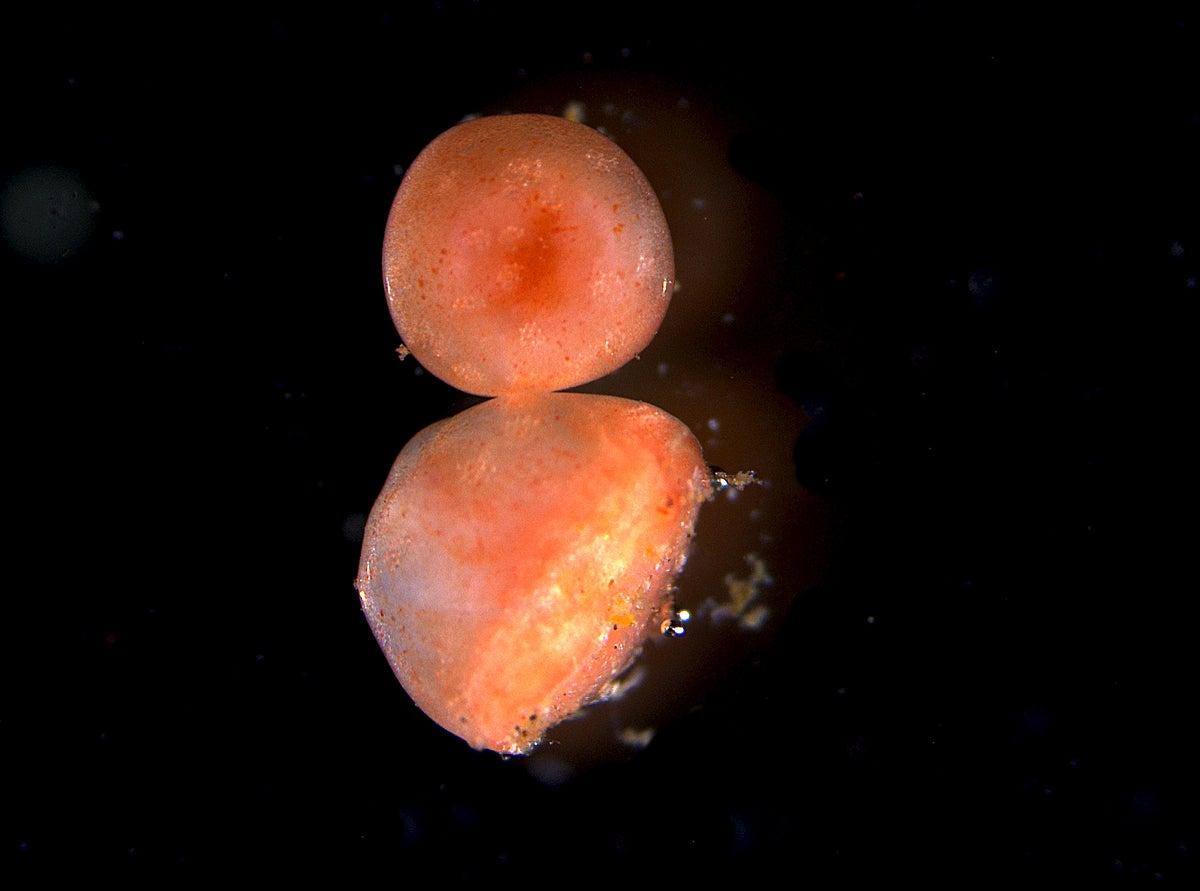
The Secret to Immortality Might Be a Sea Cucumber
Why It Matters
Decoding how sea cucumber tissue avoids decay could reveal new strategies for human tissue engineering and age‑related disease treatment, potentially extending the functional lifespan of cells.
Key Takeaways
- •Psolus fabricii fragments survived >3 years in seawater tanks
- •Tissue repaired wounds and kept dividing without a mouth or gut
- •Immune defenses and amino‑acid absorption sustain detached tissue
- •Researchers plan telomere studies to confirm true cellular immortality
Pulse Analysis
The Atlantic sea cucumber Psolus fabricii has long fascinated marine biologists for its regenerative prowess, but the recent discovery that severed tissue can live indefinitely pushes the envelope of biological curiosity. By maintaining cellular turnover and wound healing in isolation, these fragments challenge conventional wisdom that detached animal tissue inevitably decays. This phenomenon mirrors, yet surpasses, the limited limb regeneration seen in salamanders and lizards, suggesting a unique suite of molecular safeguards that keep the tissue alive without forming a new organism.
Underlying the tissue's durability are several intertwined mechanisms. The fragments retain a robust innate immune system that wards off microbial invasion, while their cells continue to proliferate, forming new epidermal layers. Nutritionally, the tissue either scavenges dissolved amino acids from the surrounding water or cannibalizes its own muscle proteins, providing a self‑sustaining fuel source. Such metabolic flexibility, combined with persistent cell division, creates a biological gray zone where the tissue is neither dead nor fully functional, prompting scientists to label them "lab zombies." Comparative studies with other echinoderms highlight that this longevity is not a universal sea cucumber trait, underscoring a species‑specific adaptation.
If researchers can pinpoint the genetic and biochemical pathways that enable this quasi‑immortality, the implications for regenerative medicine are profound. Insights into telomere maintenance, immune modulation, and nutrient recycling could inform strategies to enhance human tissue repair, combat age‑related degeneration, and develop bio‑engineered grafts that resist senescence. However, translating marine mechanisms to mammalian systems will require careful validation, as the ecological context and evolutionary pressures differ markedly. Ongoing telomere‑length investigations will be pivotal in confirming whether the tissue truly defies the cellular clock, potentially opening a new frontier in longevity science.
The secret to immortality might be a sea cucumber
Comments
Want to join the conversation?
Loading comments...