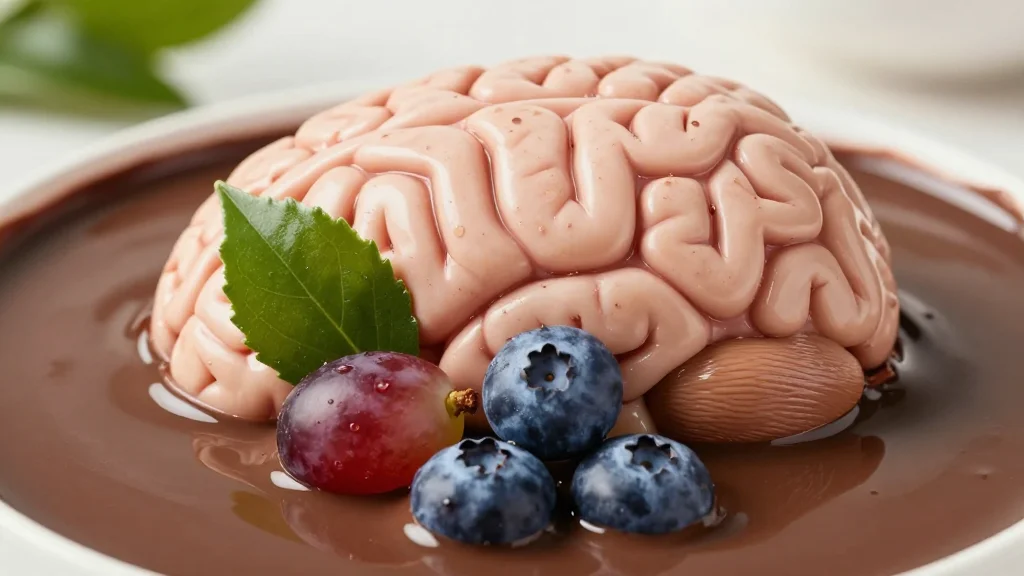
This Antioxidant “Wakes Up The Brain” Similar To Exercise
Why It Matters
If the taste of flavanol‑rich foods can directly stimulate brain alertness, it opens a new avenue for functional‑food design that leverages sensory cues rather than just nutrient content, potentially reshaping nutrition science and product marketing.
Key Takeaways
- •Flavanol taste triggers brain alertness pathways in mice.
- •Study shows increased activity, memory, and locus coeruleus activation.
- •Researchers propose “sensory nutrition” as a new health mechanism.
- •Human relevance remains uncertain; mouse doses differ from typical intake.
- •Findings may reshape functional‑food marketing emphasizing taste experience.
Pulse Analysis
The latest preclinical research adds a fresh twist to the long‑standing narrative around flavanols, a subclass of polyphenols celebrated for antioxidant and anti‑inflammatory properties. While epidemiological studies have linked regular consumption of flavanol‑rich foods—such as dark chocolate, berries, tea, and red wine—to modest cognitive benefits, the biological mechanisms have remained elusive. This mouse study suggests that the bitter‑astringent sensation itself may act as a neural trigger, bypassing the need for substantial systemic absorption and directly engaging the brain’s alertness circuitry. Such a sensory‑driven pathway could explain why even low‑dose exposure yields measurable behavioral changes.
The concept of “sensory nutrition” introduced by researchers at Shibaura Institute of Technology reframes how food scientists think about functional ingredients. By demonstrating that taste receptors can initiate a cascade involving dopamine, norepinephrine, and the locus coeruleus, the study hints at a new product development paradigm: foods engineered to deliver specific sensory profiles that activate desired neural pathways. This could inspire a wave of beverages, snacks, and supplements that prioritize mouthfeel and flavor intensity as active components, potentially differentiating brands in a crowded wellness market.
Nevertheless, translating these findings to humans demands caution. Mouse doses of 25‑50 mg/kg do not map neatly onto typical dietary intake, and human taste perception and neurobiology differ substantially. Future clinical trials must verify whether the same sensory‑induced neurochemical responses occur in people and whether they translate into lasting cognitive or mood benefits. If confirmed, the industry could see a shift toward marketing strategies that highlight the experiential, rather than purely nutritional, value of flavanol‑rich products, aligning with broader trends that emphasize holistic, multisensory wellness experiences.
This Antioxidant “Wakes Up The Brain” Similar To Exercise
Comments
Want to join the conversation?
Loading comments...