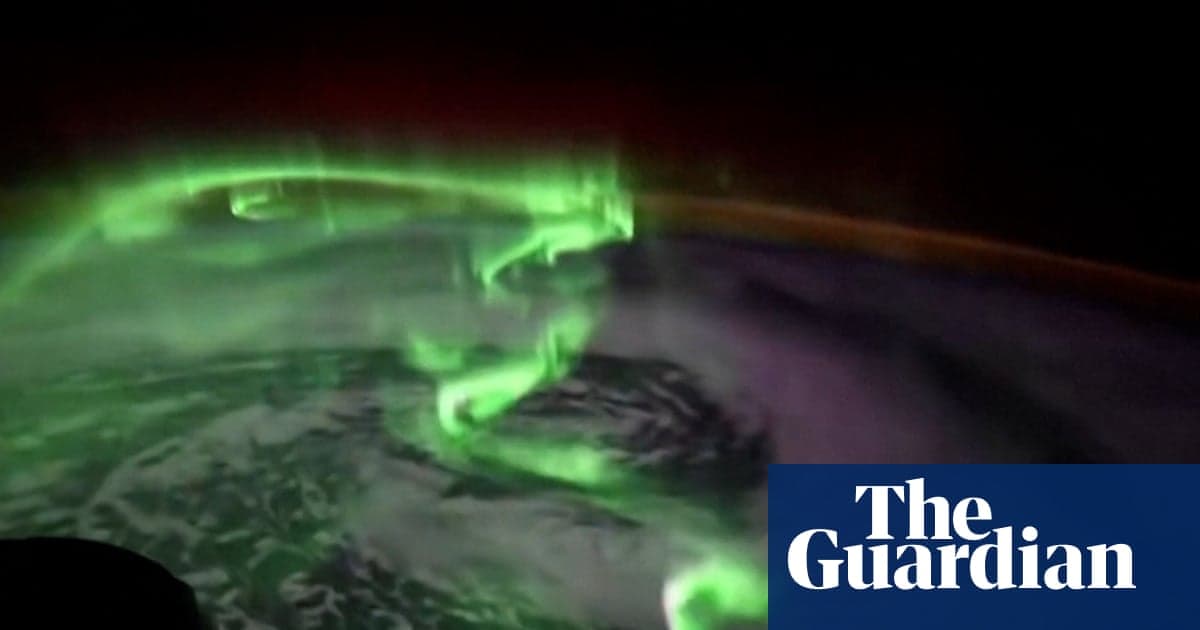
'This One Danced and Snaked': Nasa Astronaut Captures Aurora Australis From Space – Video
Companies Mentioned
Why It Matters
Real‑time auroral imaging from a crewed platform enhances scientific monitoring of Earth’s magnetosphere and fuels public interest in space exploration.
Key Takeaways
- •Jessica Meir filmed the southern lights from SpaceX Dragon on Crew‑12
- •Aurora australis appears as dancing, snake‑like curtains below the capsule
- •Timelapse highlights solar particles colliding with Earth’s atmosphere
- •NASA uses astronaut‑generated media to boost public engagement
- •Commercial crew flights now routinely capture scientific visuals from orbit
Pulse Analysis
Seeing the aurora australis from space has long been a dream for scientists and sky‑watchers alike, but the latest timelapse from astronaut Jessica Meir brings that vision into vivid reality. Captured aboard the SpaceX Dragon capsule during the Crew‑12 mission, the footage shows the southern lights unfurling in sinuous ribbons just beneath the spacecraft’s orbit. By documenting the interaction of solar wind particles with Earth’s magnetic field, such imagery provides researchers with a unique perspective on magnetospheric dynamics that ground‑based observatories cannot match.
The success of this visual comes as a direct result of the commercial crew partnership between NASA and SpaceX. Dragon’s large windows and flexible interior allow astronauts to record high‑definition video without compromising mission objectives. Meir’s decision to share the timelapse on social media amplified the scientific moment, turning a routine orbital pass into a viral showcase that reached millions. This blend of cutting‑edge technology and personal storytelling exemplifies how private‑sector spacecraft are expanding NASA’s outreach toolkit, making complex space weather phenomena accessible to a broader audience.
Looking ahead, regular auroral imaging from crewed missions could feed into real‑time space‑weather forecasting, helping protect satellites, power grids, and aviation routes from solar storms. Moreover, the public’s fascination with such spectacular visuals may drive demand for future commercial tourism flights that promise front‑row seats to Earth’s natural light shows. As commercial launch cadence increases, the line between scientific observation and public entertainment will continue to blur, delivering both valuable data and inspiring the next generation of explorers.
'This one danced and snaked': Nasa astronaut captures aurora australis from space – video
Comments
Want to join the conversation?
Loading comments...