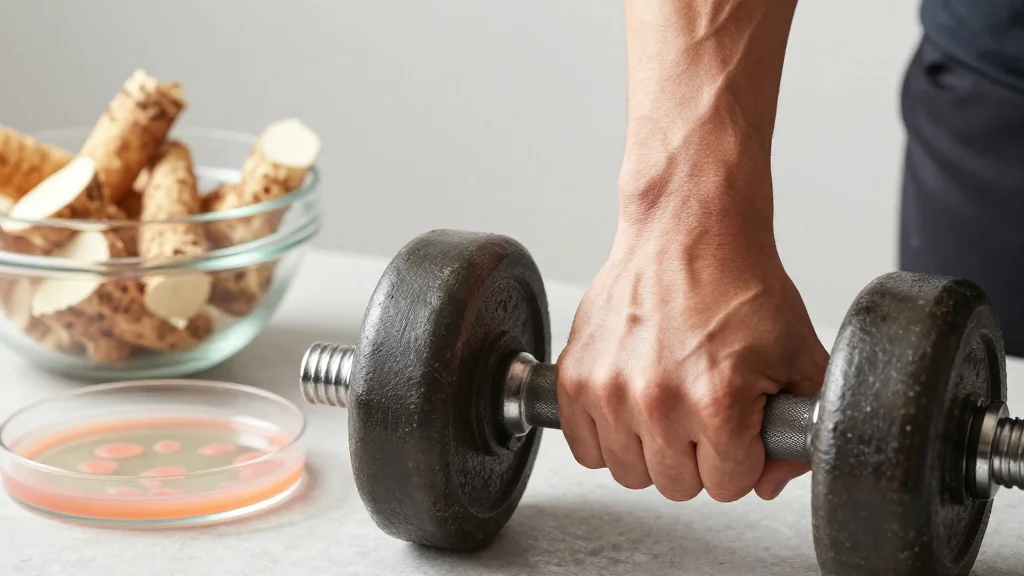
This One Type Of Gut Bacteria Is Linked To 29% Greater Muscle Strength
Why It Matters
The link suggests that modulating the microbiome could become a complementary strategy for enhancing athletic performance and mitigating age‑related muscle loss, opening a niche for microbiome‑based interventions.
Key Takeaways
- •Roseburia inulinivorans linked to 29% stronger handgrip in seniors
- •Mice given bacterium showed 30% higher grip strength, more fast‑twitch fibers
- •Fiber‑rich diets boost Roseburia growth, potentially supporting muscle performance
- •Findings hint at a gut‑muscle axis, spurring probiotic research
Pulse Analysis
The gut microbiome has moved from a curiosity to a central player in metabolic health, with short‑chain fatty‑producing genera like Roseburia already linked to reduced inflammation and improved insulin sensitivity. The new study adds muscle function to that list, showing that Roseburia inulinivorans correlates with both grip strength in older adults and aerobic capacity in younger participants. By producing metabolites that influence muscle fiber composition, this microbe may help the body allocate energy more efficiently during high‑intensity effort.
In human cohorts, detectable levels of R. inulinivorans coincided with a 29% boost in hand‑grip strength for seniors and higher VO₂ max for younger subjects, suggesting a measurable performance edge. Controlled mouse trials reinforced causality: weekly inoculation of the bacterium increased grip strength by about 30% and promoted a higher proportion of fast‑twitch fibers, which are essential for explosive power. For sports nutrition and anti‑aging markets, these findings hint at a new class of microbiome‑targeted products—probiotic strains, prebiotic fibers, or synbiotic blends—designed to amplify the gut‑muscle axis. However, translating animal data to humans will require dose‑finding studies and safety profiling.
The practical takeaway for athletes and older adults alike is to nurture a diverse, fiber‑rich gut environment. Foods such as oats, legumes, onions, and fermented vegetables feed Roseburia species, while regular resistance training remains the primary driver of muscle adaptation. As research progresses, clinicians may soon prescribe microbiome‑based regimens alongside traditional training programs, creating a holistic approach to strength maintenance and performance optimization.
This One Type Of Gut Bacteria Is Linked To 29% Greater Muscle Strength
Comments
Want to join the conversation?
Loading comments...