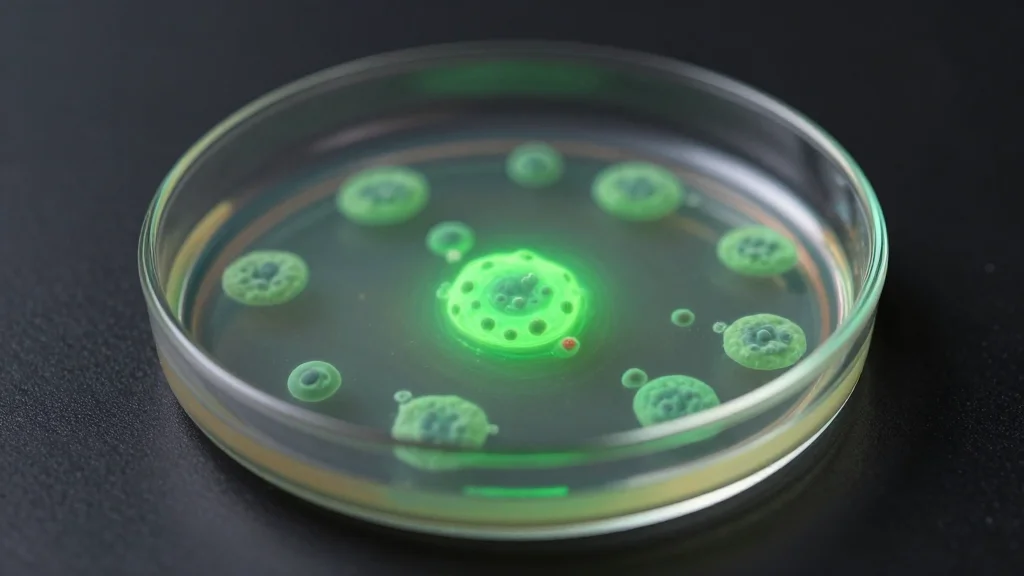
Tumour Cells Use a Genetic Trick to Become Drug-Resistant
Why It Matters
Understanding this non‑Mendelian inheritance explains why many therapies fail and guides the development of treatments that can outpace cancer’s adaptive capabilities.
Key Takeaways
- •Cancer cells bypass Mendelian rules, speeding resistance evolution
- •Non‑standard chromosome segregation drives rapid gene amplification
- •Resistance mechanism offers a novel therapeutic target
- •Adaptive therapy may counteract the genetic trick
Pulse Analysis
The latest research uncovers that tumor cells can sidestep Mendel’s classic inheritance patterns, using irregular chromosome segregation and gene amplification to become drug‑resistant. This non‑Mendelian behavior allows cancer populations to generate diverse genetic variants in a single division cycle, dramatically shortening the timeline for resistance to emerge. By breaking the conventional rules of inheritance, these cells create a moving target for oncologists, rendering standard chemotherapy regimens increasingly ineffective.
From a clinical perspective, the discovery reshapes how we view treatment failure. Traditional drug development assumes a relatively predictable mutational landscape, but the new evidence suggests that cancers can rewrite their own genetic script on demand. Consequently, monitoring strategies must evolve to detect early signs of atypical chromosomal events, and drug pipelines need to incorporate agents that either prevent the aberrant segregation process or target the resulting amplified genes. This shift could reduce the high attrition rates seen in late‑stage oncology trials.
Perhaps most compelling is the prospect of turning the tumor’s own genetic trick against it. By designing therapies that exploit the very mechanisms cancer cells use for survival—such as synthetic‑lethal approaches that target essential pathways revealed by the abnormal inheritance—researchers can create a double‑edged sword. Adaptive dosing schedules, which modulate drug pressure to keep resistant clones in check, may also benefit from this insight, offering a more sustainable path to long‑term disease control.
Tumour cells use a genetic trick to become drug-resistant
Comments
Want to join the conversation?
Loading comments...