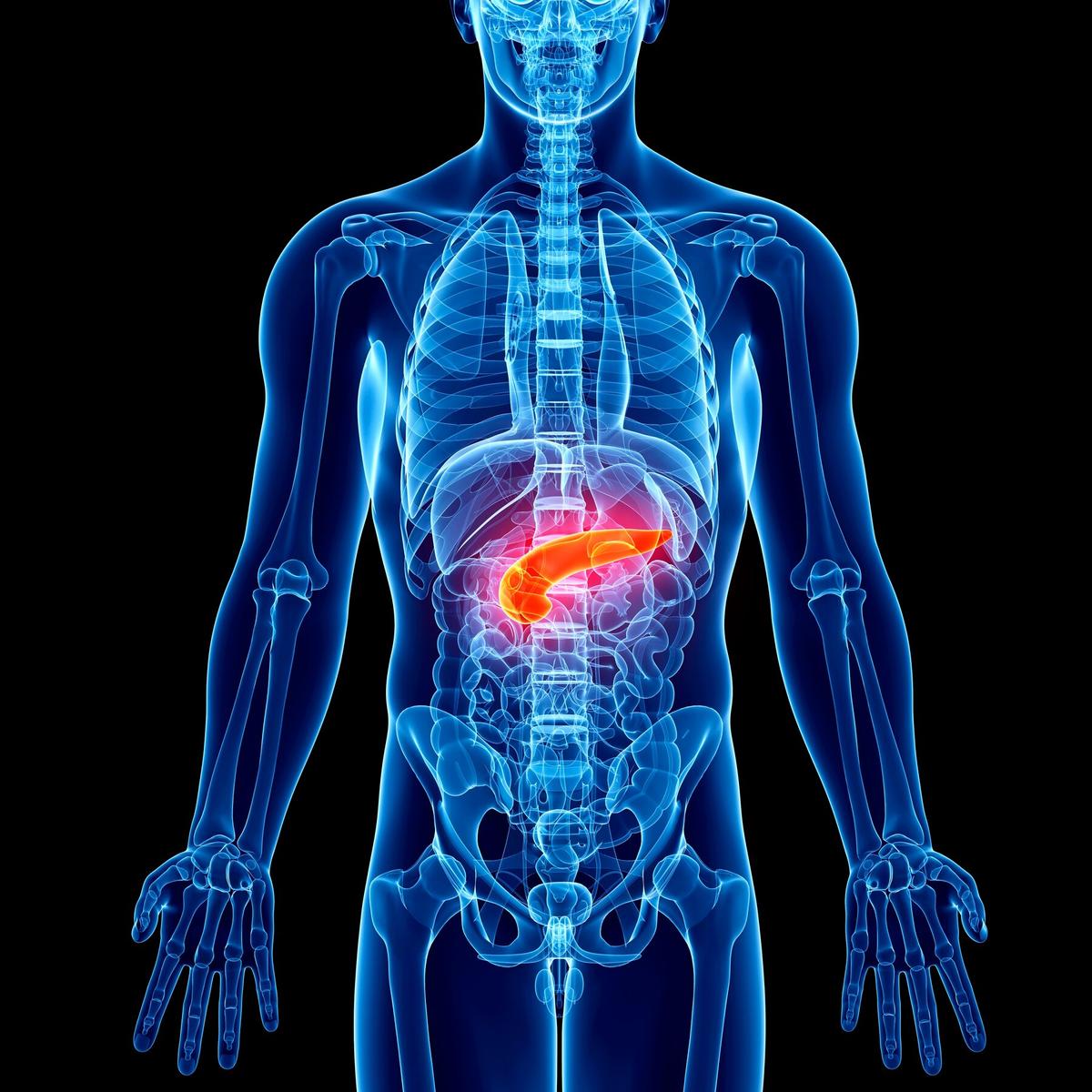
Two Drugs Stir Hope for Treatment of Deadly Pancreatic Cancer
Why It Matters
If the promising signals hold up, these therapies could dramatically improve survival for a cancer with historically limited treatment options, reshaping the oncology market and patient outcomes.
Key Takeaways
- •Early‑phase trials show tumor shrinkage in pancreatic cancer patients
- •Treatments target KRAS mutation and immune microenvironment simultaneously
- •Data presented at San Diego conference, not yet peer‑reviewed
- •Pancreatic cancer causes over 50,000 U.S. deaths annually
- •Larger trials required before regulatory approval
Pulse Analysis
Pancreatic adenocarcinoma remains one of the deadliest malignancies, largely because its deep‑seated location and aggressive biology limit early detection and effective intervention. Traditional chemotherapies have modest impact, and the five‑year survival rate hovers around 13%, underscoring a massive unmet medical need. In recent years, biotech firms have focused on the KRAS oncogene—mutated in over 90% of pancreatic tumors—and on re‑engineering the tumor’s immune microenvironment, hoping to break the disease’s resistance mechanisms.
At the American Association for Cancer Research meeting in San Diego, researchers unveiled data from two separate early‑stage trials. One candidate is a KRAS‑directed inhibitor that appears to halt tumor growth in a subset of patients with the G12C mutation, while the other is a bispecific antibody designed to engage T‑cells against pancreatic tumor cells. Although the cohorts were small and the results have not undergone peer review, investigators reported measurable tumor shrinkage and manageable safety profiles, sparking optimism among clinicians and investors alike.
The broader implications extend beyond the immediate clinical promise. Successful validation could accelerate funding pipelines, attract partnership deals, and stimulate a wave of similar precision‑medicine approaches in oncology. Moreover, regulatory agencies are increasingly willing to grant accelerated pathways for therapies addressing high‑mortality cancers, potentially shortening the time to market. For patients and families grappling with a diagnosis that often feels hopeless, these developments represent a tangible step toward more effective, personalized treatment options.
Two Drugs Stir Hope for Treatment of Deadly Pancreatic Cancer
Comments
Want to join the conversation?
Loading comments...