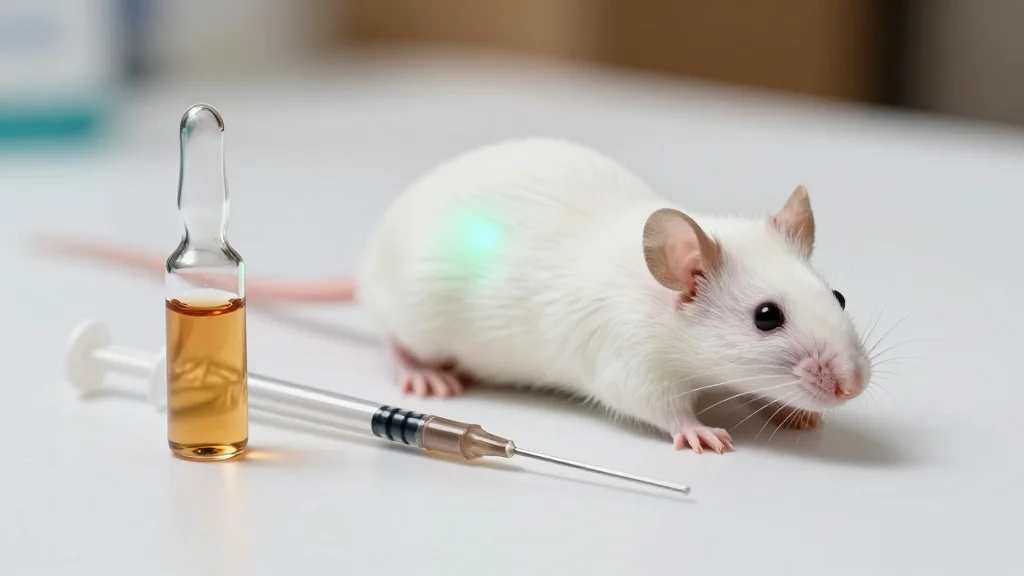
University of Reading Finds Single Psilocybin Dose Eases Nerve Pain for a Month in Mice

Why It Matters
Chronic neuropathic pain is one of the most treatment‑resistant conditions in modern medicine, often leading patients to high‑dose opioids or invasive procedures. A therapy that delivers lasting relief after a single administration could dramatically lower healthcare costs, reduce opioid exposure, and improve patient outcomes. The study also highlights the broader potential of psychedelics to remodel neural circuits, opening avenues for treating other refractory neurological disorders. Beyond clinical implications, the research underscores a paradigm shift in drug development: moving from symptom‑blocking agents toward compounds that induce durable neuroplastic changes. If psilocybin can safely reset pain pathways in humans, it may catalyze a new class of disease‑modifying analgesics, challenging the status quo of chronic pain management.
Key Takeaways
- •Single psilocybin injection eliminated neuropathic pain in mice for up to four weeks.
- •Psilocybin enhanced gabapentin’s analgesic effect, extending relief to four days after gabapentin administration.
- •Both male and female mice showed the effect, addressing historic gender bias in pain studies.
- •30‑50% of neuropathic‑pain patients receive inadequate relief from gabapentin alone.
- •Next steps include Phase 1 safety trials in humans and a potential shift toward neuroplastic‑based analgesics.
Pulse Analysis
The Reading study arrives at a moment when the pharmaceutical industry is scrambling for non‑opioid solutions to chronic pain. Traditional analgesics target peripheral receptors and often require escalating doses, which fuels tolerance and side‑effects. Psilocybin’s apparent ability to rewire central pain circuits could represent a fundamentally different therapeutic strategy—one that leverages the brain’s capacity for plasticity rather than merely dampening nociceptive signals.
Historically, psychedelics have been sidelined due to regulatory stigma, but the last five years have seen a renaissance in clinical research, especially for mood disorders. This new pain data broadens the therapeutic horizon and may accelerate regulatory pathways for psilocybin‑based medicines. Companies such as Compass Pathways and MindMed have already secured FDA breakthrough‑therapy status for depression; a similar designation for pain could unlock funding and fast‑track trials.
However, translating mouse findings to humans is fraught with challenges. Dosing regimens, safety profiles, and the subjective experience of psychedelics must be reconciled with the goal of analgesia without hallucinogenic side‑effects. The upcoming Phase 1 trial will be pivotal: a positive safety signal could spur a wave of combination‑therapy studies, while any adverse outcomes may reinforce caution. Either way, the research forces clinicians, regulators, and investors to reconsider the role of psychedelics in mainstream medicine, potentially reshaping the chronic pain market that currently exceeds $70 billion annually.
University of Reading finds single psilocybin dose eases nerve pain for a month in mice
Comments
Want to join the conversation?
Loading comments...