Using Menstrual Blood-Derived Particles to Treat Osteoarthritis
Why It Matters
Osteoarthritis lacks disease‑modifying treatments; a cell‑free, easily sourced therapy could lower costs, reduce procedural risk, and accelerate market entry. Successful use on older cartilage cells signals broader applicability for the aging population that bears the disease burden.
Key Takeaways
- •Menstrual blood EVs boost cartilage cell function in vitro
- •Therapy effective on postmenopausal cartilage with reduced regenerative capacity
- •Biomimetic scaffolds protect vesicles and enable sustained release
- •Non‑invasive source avoids bone‑marrow extraction risks
- •Cell‑free approach may reduce side effects and manufacturing complexity
Pulse Analysis
Osteoarthritis affects over 600 million people worldwide, with prevalence rising as populations age and obesity rates climb. Current interventions focus on pain relief and inflammation control, leaving a critical gap for therapies that can halt or reverse cartilage loss. Regenerative medicine has turned to stem‑cell sources, yet bone‑marrow extraction is invasive and costly, prompting researchers to explore more accessible cell origins.
The Lithuanian team’s breakthrough hinges on extracellular vesicles derived from menstrual‑blood stromal cells, a material that is naturally shed each month and collected without surgery. In laboratory tests, these EVs not only enhanced chondrocyte activity but also up‑regulated progesterone‑receptor expression in cells from post‑menopausal donors—an unexpected result given their diminished regenerative potential. By delivering the vesicles in a cell‑free format, the approach sidesteps the immunogenic and tumor‑formation concerns tied to live‑cell transplants, while retaining the regenerative signaling that drives tissue repair.
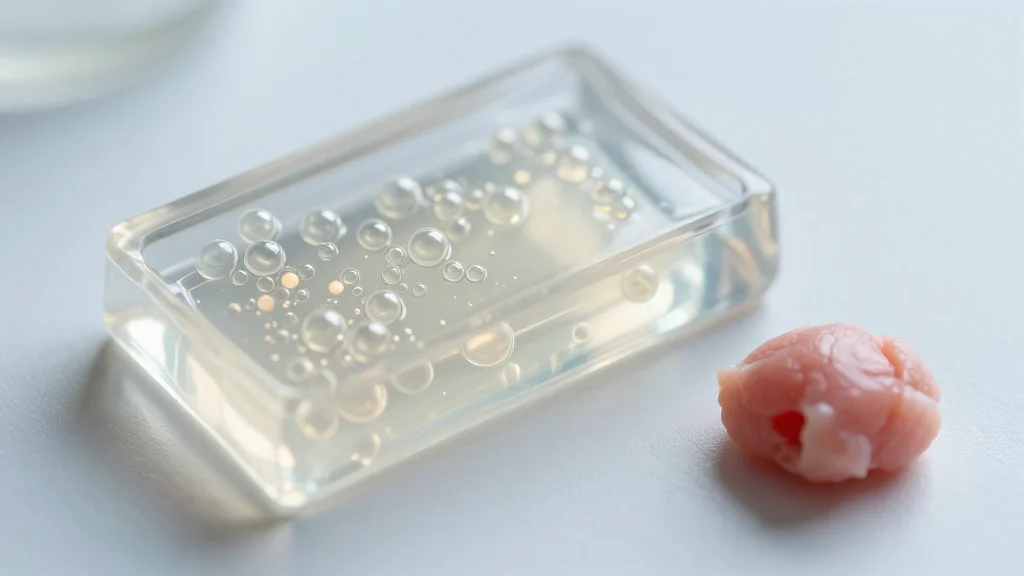
A pivotal component of the therapy is the biomimetic scaffold, engineered to shield the vesicles from rapid degradation and to release them in response to joint movement. This controlled delivery could extend therapeutic windows and improve patient outcomes, making the solution more attractive to investors and regulators. If clinical trials confirm efficacy, the platform may open a new market segment for low‑cost, off‑the‑shelf osteoarthritis treatments, reshaping the landscape of regenerative orthopedics and offering hope to the millions who currently rely on symptomatic care.
Using menstrual blood-derived particles to treat osteoarthritis
Comments
Want to join the conversation?
Loading comments...