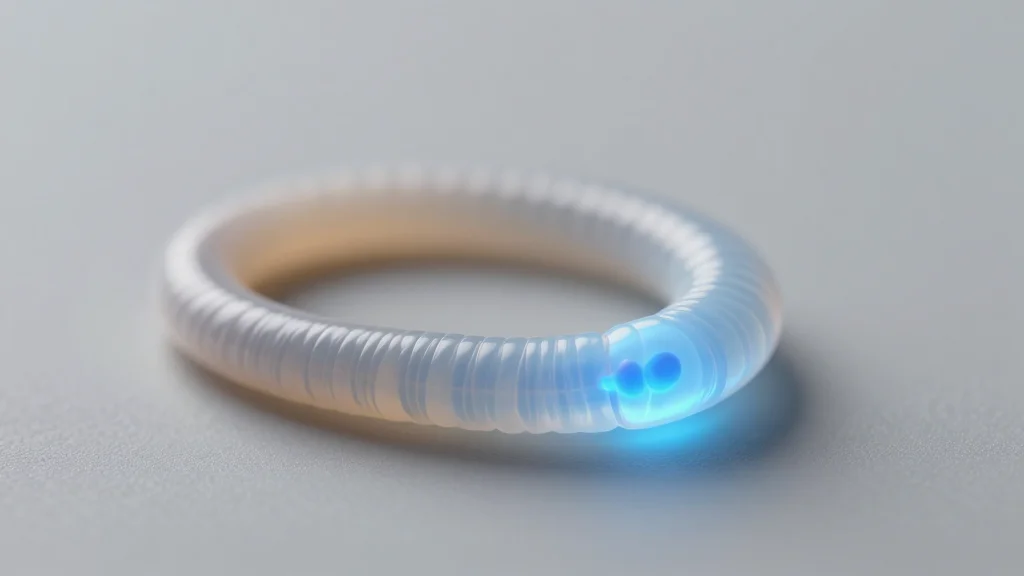
WashU Engineers Hookworms to Produce Therapeutic Antibody Against Deadly Toxin

Why It Matters
The ability to program a gut‑resident parasite to synthesize therapeutic proteins could overturn the current paradigm of intermittent drug dosing, especially for chronic illnesses that demand steady‑state drug levels. By leveraging the hookworm’s natural longevity and immune‑modulating properties, researchers may create a low‑maintenance, cost‑effective delivery system that sidesteps the logistical hurdles of cold‑chain storage and frequent clinic visits. Moreover, the technology opens a new frontier for rapid response to environmental toxins, offering a portable, self‑contained antidote that could be deployed in regions lacking medical infrastructure. Beyond health outcomes, this work raises important bioethical and regulatory questions about releasing genetically modified organisms into humans. Establishing robust safety controls, clear reversal mechanisms, and transparent public communication will be essential to gain acceptance and to integrate such living therapeutics into mainstream medicine.
Key Takeaways
- •WashU researchers genetically modify human hookworms to produce a tetrodotoxin‑neutralizing antibody.
- •Modified worms colonize the gut and secrete the therapeutic protein directly into the bloodstream.
- •Proof‑of‑concept demonstrates partial neutralization of a deadly neurotoxin in animal models.
- •Hookworms can be cleared with a single antiparasitic dose, offering a controllable safety switch.
- •Future work aims to expand protein payloads and assess long‑term safety for chronic disease treatment.
Pulse Analysis
Engineered hookworms represent a bold convergence of parasitology and synthetic biology, challenging the dominance of conventional drug delivery platforms. Historically, biotech has focused on small‑molecule pills, injectable biologics, and, more recently, engineered microbes that reside in the gut. Hookworms add a third dimension: a multicellular eukaryote that already possesses sophisticated mechanisms for immune evasion and sustained gut colonization. This biological advantage could translate into unprecedented dosing stability, especially for biologics that degrade quickly in the bloodstream.
However, the path to market will be fraught with hurdles. Regulatory agencies have yet to define clear pathways for live‑organism therapeutics that are genetically altered, and public perception of ingesting parasites—even engineered ones—may be a barrier. The safety profile will need exhaustive validation, particularly given the known morbidity of uncontrolled hookworm infections in vulnerable groups. Mitreva’s team mitigates some risk by emphasizing the worms’ inability to reproduce inside the host and the availability of a rapid clearance drug, but long‑term ecological impacts and horizontal gene transfer concerns remain.
If these challenges can be navigated, the technology could unlock a new class of ‘living drugs’ that deliver complex biologics without the need for cold storage or repeated dosing. This would be especially transformative for low‑resource settings, where logistics often dictate treatment feasibility. In a broader sense, the study signals a shift toward harnessing symbiotic relationships between humans and microbes—or parasites—as therapeutic allies, a trend that may accelerate as synthetic biology tools become more precise and affordable.
WashU Engineers Hookworms to Produce Therapeutic Antibody Against Deadly Toxin
Comments
Want to join the conversation?
Loading comments...