We May Finally Have a Cure for Many Different Autoimmune Conditions
Why It Matters
Targeting the root cause of autoimmunity could transform treatment paradigms and reduce lifelong drug dependence, opening a multi‑billion‑dollar market.
Key Takeaways
- •Cancer‑derived T‑cell therapy kills rogue immune cells in autoimmunity
- •Early data show faster remission than standard immunosuppressants
- •Over 30 clinical trials launched worldwide this year
- •FDA approval could arrive by 2027 for first indications
- •Big‑pharma pipelines now include autoimmune applications of the therapy
Pulse Analysis
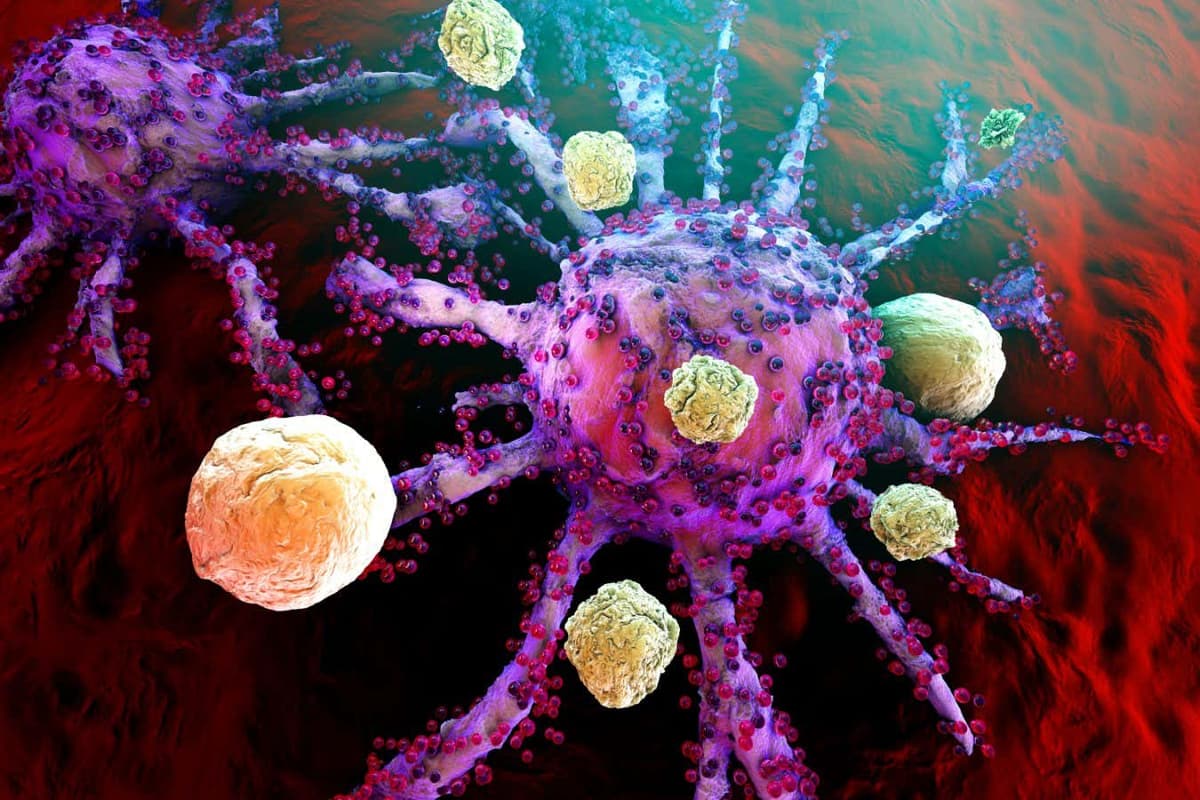
The breakthrough originates from chimeric antigen receptor T‑cell (CAR‑T) therapy, a modality that re‑engineers a patient’s own T‑cells to recognize and destroy malignant cells. Researchers realized that the same precision could be turned against the aberrant T‑cells that mistakenly attack healthy tissue in diseases such as multiple sclerosis, type‑1 diabetes and rheumatoid arthritis. By programming engineered cells to seek out the unique surface markers of these rogue lymphocytes, the treatment eliminates the source of inflammation rather than merely dampening it. This mechanistic shift promises a durable reset of the immune system.
Early-phase studies across Europe, the United States and Asia have reported remission rates exceeding 70 % within weeks, far surpassing the modest 30‑40 % response typical of conventional immunosuppressants. Patients also experience fewer infections because the therapy spares the broader immune repertoire. The speed of symptom reversal and the potential for a single infusion to provide lasting benefit are driving a surge of more than thirty trials targeting conditions ranging from lupus to inflammatory bowel disease. Analysts estimate the emerging market could exceed $15 billion once multiple indications gain approval.
Regulators are fast‑tracking the approach, with the FDA’s Breakthrough Therapy designation already granted for several autoimmune candidates. If the first approvals arrive by 2027, pharmaceutical giants such as Roche, Novartis and Pfizer are poised to integrate the platform into their pipelines, reshaping R&D budgets toward cell‑based solutions. The success of this strategy could also catalyze similar repurposing of oncology tools for chronic diseases, blurring the line between cancer and immunology. Investors and clinicians alike are watching closely, as the paradigm shift may redefine standards of care for millions of patients.
We may finally have a cure for many different autoimmune conditions
Comments
Want to join the conversation?
Loading comments...