Weekly Reads: Macrophage Therapy, Putin Longevity Push, Human Embryo Base Editing

Key Takeaways
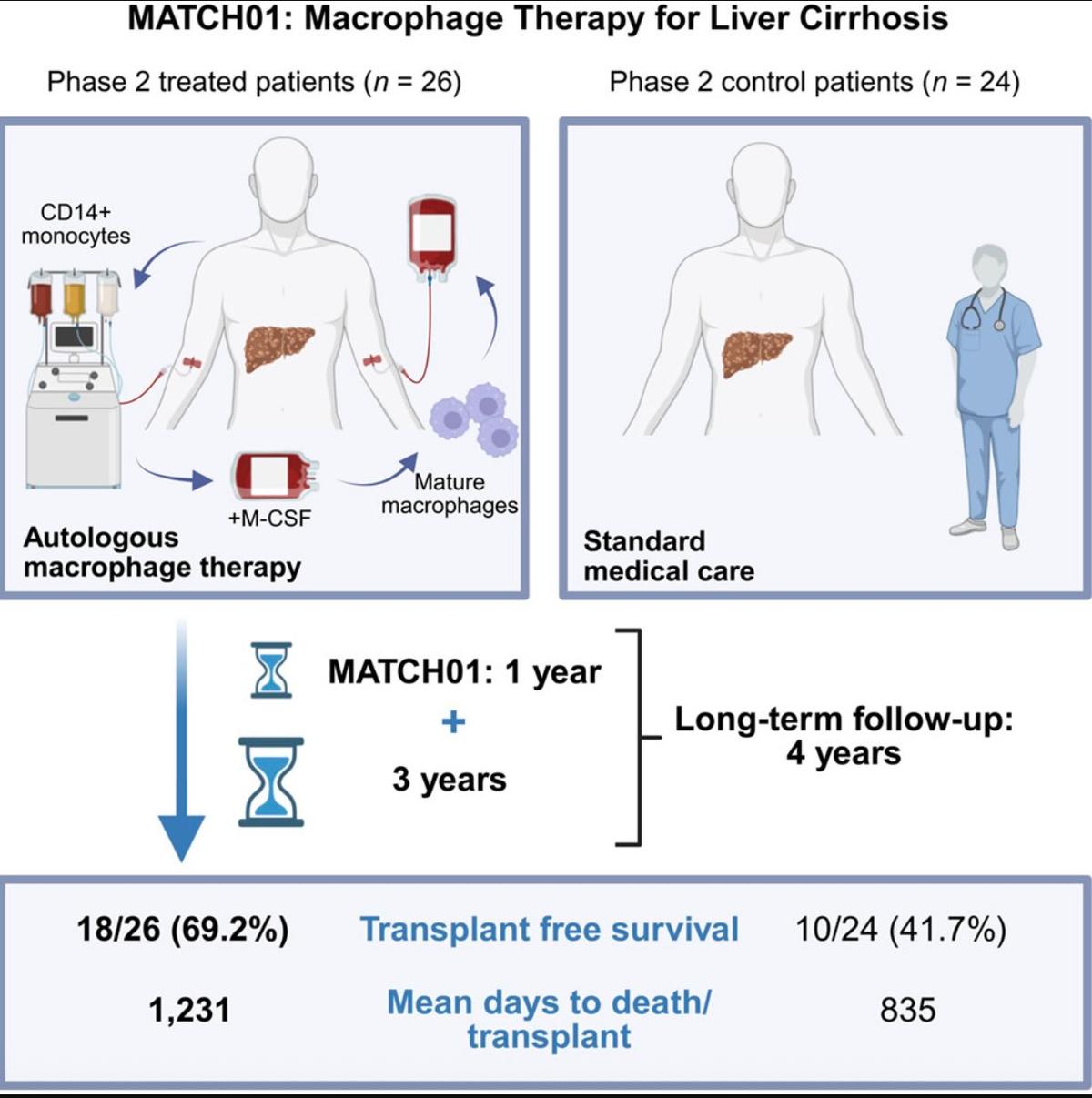
- •Autologous macrophage therapy extended transplant‑free survival in cirrhosis patients
- •Phase 2 trial limited by small cohort, but cytokine stabilization observed
- •Putin allocates $26 Billion to national longevity research program
- •Human embryo base editing achieved unprecedented precision, raising ethical concerns
- •Whole‑body rejuvenation trials, like Sinclair’s XPrize effort, signal expanding longevity market
Pulse Analysis
Macrophage therapy is emerging as a novel immunomodulatory approach for chronic liver disease, a condition that affects over 1.5 million Americans and drives costly transplants. The phase 2 trial published in Cell Stem Cell enrolled a modest cohort of cirrhosis patients and demonstrated longer transplant‑free survival, correlating with a dampened pro‑inflammatory cytokine profile. Although the sample size limits statistical power, the findings suggest that reprogramming innate immune cells could delay organ failure, prompting larger multicenter studies and potential partnership with biotech firms specializing in cell‑based therapeutics.
The longevity sector is receiving an unprecedented infusion of capital, highlighted by President Vladimir Putin’s $26 billion national initiative to extend human healthspan. This state‑backed program, combined with private‑sector milestones such as the Vitalist Bay conference and David Sinclair’s XPrize‑aligned whole‑body rejuvenation trials, underscores a shift from niche anti‑aging research to mainstream investment. Venture capital is flowing into senolytics, NAD+ boosters, and gene‑editing platforms, positioning longevity as a fast‑growing market that could reshape healthcare economics and insurance models.
Base‑editing of human embryos has reached a new level of precision, as demonstrated by Dieter Egli’s team, which achieved targeted nucleotide conversions with minimal off‑target effects. While the technical breakthrough accelerates prospects for correcting monogenic diseases before birth, it also reignites debates over germline modification, mosaicism, and long‑term safety. Policymakers worldwide are grappling with how to balance scientific progress against ethical boundaries, and the emerging consensus points toward stringent oversight, mandatory pre‑implantation genetic diagnosis, and transparent public discourse before clinical translation becomes viable.
Weekly reads: macrophage therapy, Putin longevity push, human embryo base editing
Comments
Want to join the conversation?