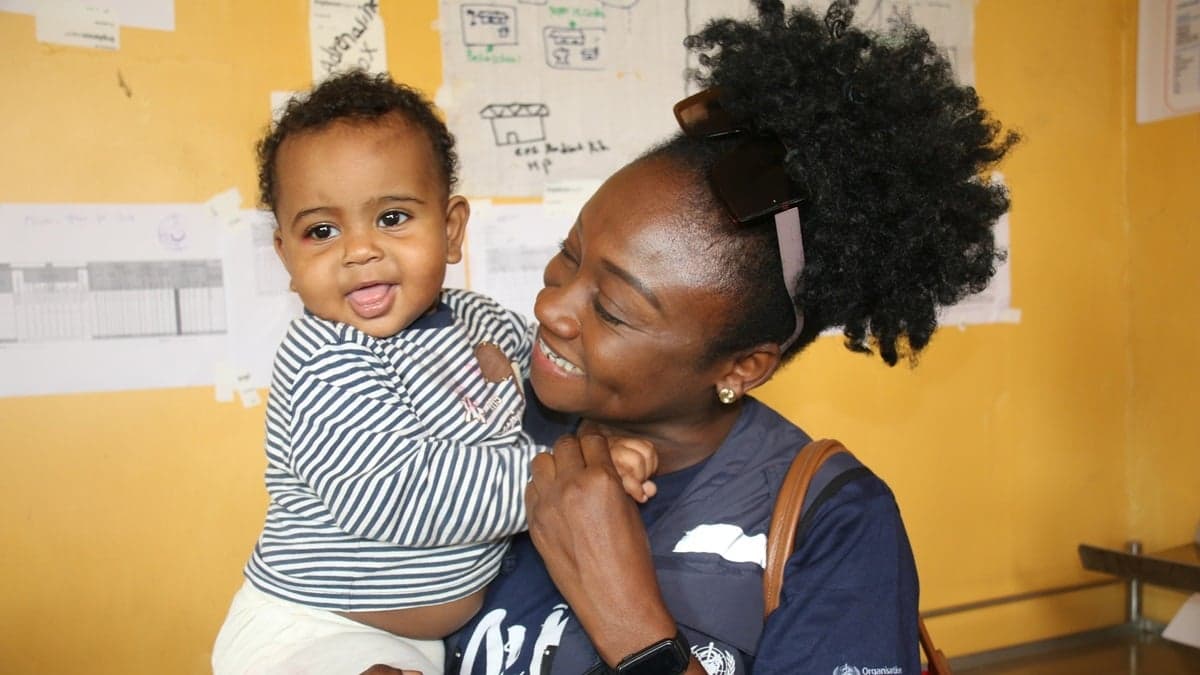
WHO Prequalifies First-Ever Malaria Treatment for Newborns and Infants, Adds New Diagnostic Tests
Why It Matters
Safe, weight‑specific treatment reduces infant mortality and dosing errors, while reliable diagnostics prevent missed cases that fuel transmission—both essential for accelerating malaria elimination.
Key Takeaways
- •WHO prequalifies artemether‑lumefantrine for infants 2‑5 kg
- •Treatment fills gap for ~30 million newborns in malaria‑endemic Africa
- •New RDTs target pf‑LDH, bypass HRP2‑deletion blind spots
- •WHO advises switch when >5% cases missed due to HRP2 loss
- •Global malaria cases rose to 282 million in 2024, stalling progress
Pulse Analysis
For decades, infants with malaria have been forced to use pediatric formulations designed for older children, a practice that carries a high risk of overdosing, adverse reactions, and treatment failure. The WHO’s prequalification of a weight‑specific artemether‑lumefantrine regimen marks the first time a drug meets international quality, safety, and efficacy standards for babies weighing just two to five kilograms. By unlocking public‑sector procurement channels, the new product can reach the roughly 30 million newborns born each year in high‑burden African regions, potentially cutting infant mortality and strengthening early‑life health outcomes.
Simultaneously, the diagnostic landscape is being reshaped by the spread of Plasmodium falciparum strains that lack the HRP2 protein, rendering the most common rapid tests ineffective in up to 80 % of cases in parts of the Horn of Africa. The three WHO‑prequalified rapid diagnostic tests that target the more stable pf‑LDH antigen provide a reliable alternative, ensuring that infections are identified promptly even where HRP2 deletions exceed the 5 % threshold. Accurate detection is essential for timely treatment, preventing severe disease, and maintaining the hard‑won gains of recent malaria control programs.
Despite these advances, the 2025 World Malaria Report shows a reversal in global trends, with 282 million cases and 610 000 deaths reported in 2024. The rise underscores the fragility of progress amid drug and insecticide resistance, diagnostic failures, and shrinking development assistance. Integrating infant‑specific therapies, next‑generation mosquito nets, and expanding vaccine rollout across 25 countries creates a multi‑layered defense, but sustained political commitment and financing remain the decisive factors. The WHO’s latest prequalifications signal a strategic push to close critical gaps and keep the goal of a malaria‑free world within reach.
WHO prequalifies first-ever malaria treatment for newborns and infants, adds new diagnostic tests
Comments
Want to join the conversation?
Loading comments...