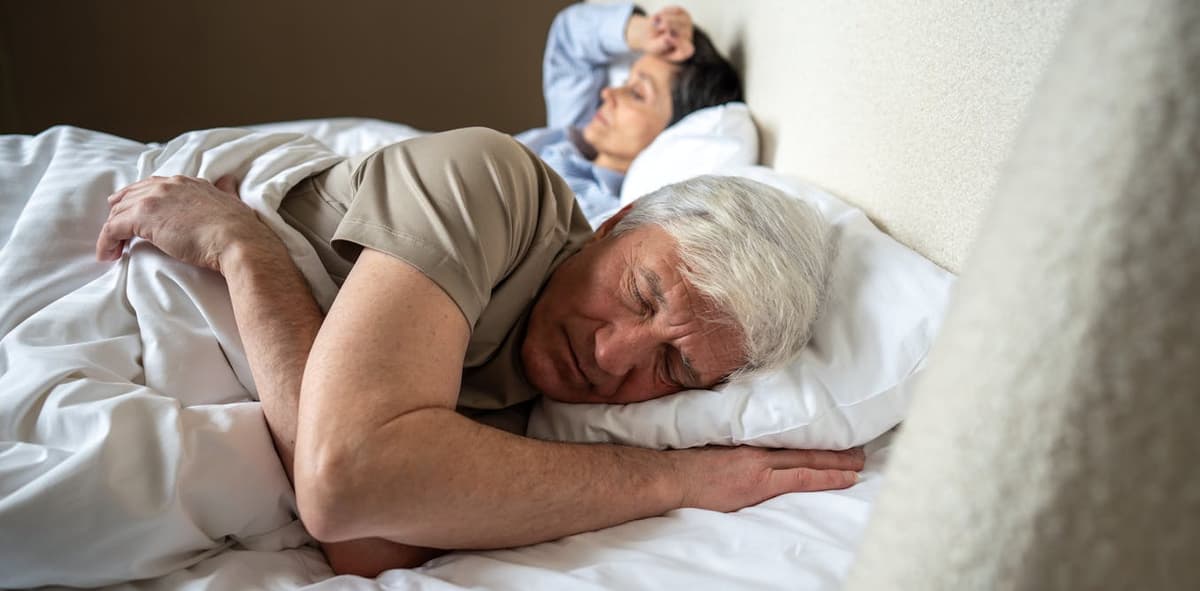
Women Report Poor Sleep Despite a Good Night’s Rest — While Men Overestimate Their Own Sleep Quality
Why It Matters
Understanding the mismatch between perceived and actual sleep quality highlights a hidden risk: men may ignore sleep disturbances that affect health, while women’s complaints may reflect heightened awareness of brief awakenings. This insight can improve diagnostic screening and gender‑tailored sleep interventions.
Key Takeaways
- •Women report poorer sleep despite objectively better metrics
- •Men underestimate awakenings, overrating sleep quality
- •Short nighttime awakenings drive gender perception gap
- •Men's deep sleep declines sharply after age 65
- •One‑night study suggests need for longer‑term research
Pulse Analysis
The paradox uncovered by the gender‑focused sleep study underscores how subjective experience can diverge sharply from physiological data. Researchers equipped 238 women and an equal number of age‑ and BMI‑matched men with home‑based polysomnography, then compared those objective measures with self‑reported sleep quality. While women logged longer total sleep time, higher sleep efficiency, and more deep‑stage (stage three) sleep, they rated their nights as restless and fragmented. Men, on the other hand, recorded more frequent brief awakenings but failed to recall them, inflating their perceived sleep quality. This recall bias appears tied to the brief duration of awakenings—five minutes is enough for a memory imprint, yet men often missed even eight‑minute interruptions.
Clinically, the findings carry weight for both primary care and sleep‑medicine practices. Over‑confidence in sleep quality may cause men to forgo evaluation for conditions such as insomnia, obstructive sleep apnea, or cardiovascular risk factors linked to poor sleep. Conversely, women’s heightened sensitivity to brief awakenings could lead to over‑diagnosis or unnecessary treatment if not contextualized with objective data. Tailoring patient questionnaires to capture the duration and frequency of awakenings, and integrating wearable or at‑home EEG tools, could bridge the perception gap and ensure timely interventions.
The study’s single‑night design limits its ability to capture night‑to‑night variability, prompting a call for longitudinal monitoring. Future research should explore whether the gender perception gap persists across multiple nights, across diverse ethnic groups, and in populations with comorbidities like depression or chronic pain. Additionally, the pronounced decline in men’s deep sleep after age 65 warrants deeper investigation into hormonal, lifestyle, or neurodegenerative factors. By expanding the evidence base, health systems can develop gender‑responsive sleep health strategies that align subjective wellbeing with objective sleep physiology.
Women report poor sleep despite a good night’s rest — while men overestimate their own sleep quality
Comments
Want to join the conversation?
Loading comments...