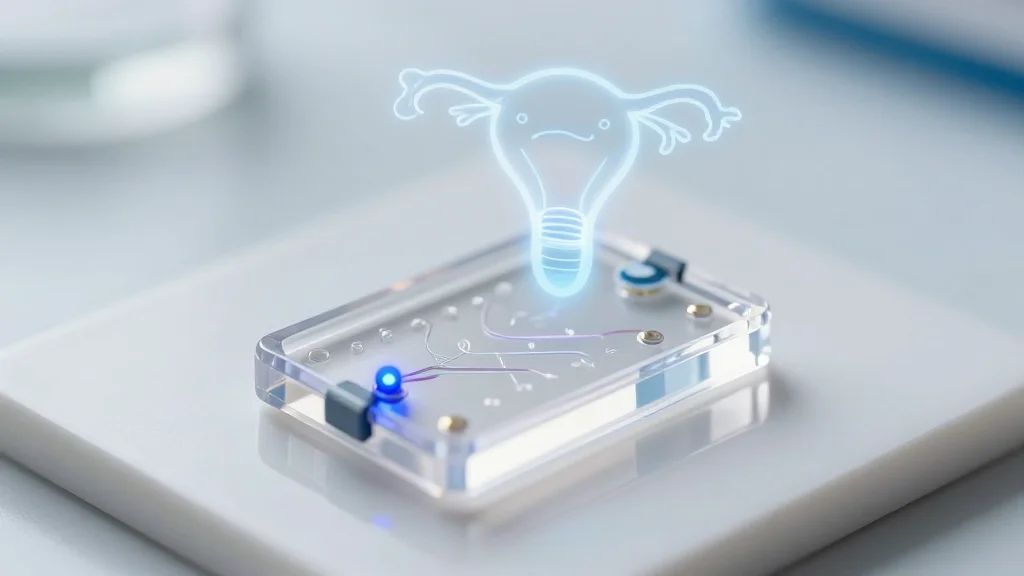
World’s First Human Cervix Chips Among Lush Prize 2026 Winners
Why It Matters
These grants accelerate the development of humane, high‑fidelity disease models, potentially reducing reliance on animal studies and speeding drug discovery. The technologies promise more predictive data for reproductive health and heart disease, benefiting biotech firms and regulatory agencies.
Key Takeaways
- •First human cervix chip uses real‑time electrical sensing, no animal testing.
- •Funding converts to ~US$64k for Izadifar’s organ‑on‑chip project.
- •Fellows’ bioengineered artery model targets faster cardiovascular drug testing.
- •Lush Prize total prize fund equals roughly US$320k across 12 projects.
- •Winners span ten countries, underscoring global shift toward cruelty‑free research.
Pulse Analysis
The Lush Prize, a high‑profile award dedicated to ending animal testing, announced its 2026 winners in a ceremony that underscored a worldwide pivot toward humane research methods. Backed by a £250,000 (≈US$320,000) prize pool, the award supports projects from twelve teams across ten countries, signaling that investors and philanthropists see commercial and ethical value in cruelty‑free alternatives. This momentum aligns with regulatory trends in the U.S. and EU that increasingly favor non‑animal safety data, creating a fertile environment for innovators.
Izadifar’s human cervix chip represents a landmark in reproductive health research. By integrating electrical sensors directly onto a microfluidic platform, the device captures real‑time cellular responses of vaginal and cervical tissues, eliminating the need for murine models that often fail to translate to human outcomes. The technology could streamline pre‑clinical testing of contraceptives, microbicides, and sexually transmitted infection treatments, offering pharmaceutical firms faster, more reliable data and potentially shortening time‑to‑market. Moreover, the chip’s animal‑free nature may ease ethical concerns that have hampered funding for women’s health studies.
Fellows’ bioengineered human artery model tackles a different but equally critical challenge: cardiovascular drug development. Traditional animal models struggle to replicate human arterial mechanics and plaque formation, leading to high attrition rates in clinical trials. The engineered artery provides a physiologically relevant platform for testing drug efficacy and toxicity, promising to reduce costly late‑stage failures. As cardiovascular disease remains the leading cause of death globally, such innovations could attract significant venture capital and accelerate collaborations between academia, biotech, and regulatory bodies seeking more predictive pre‑clinical tools. The Lush Prize’s financial backing not only validates these approaches but also encourages broader adoption of organ‑on‑chip systems across the life‑science industry.
World’s first human cervix chips among Lush Prize 2026 winners
Comments
Want to join the conversation?
Loading comments...