JEDEC Previews LPDDR6 Roadmap Expanding LPDDR Into Data Centers and Processing-in-Memory
Key Takeaways
- •x6 interface enables higher die count and larger per‑package capacity
- •Flexible metadata carve‑out balances throughput with reliability for data centers
- •512 GB LPDDR6 density targets AI training and inference memory needs
- •SOCAMM2 module standard provides compact, serviceable upgrades from LPDDR5X
- •LPDDR6 PIM integrates compute, cutting data movement and power consumption
Pulse Analysis
JEDEC’s latest preview of the LPDDR6 roadmap marks a pivotal shift for a memory technology traditionally confined to smartphones. Since the introduction of LPDDR5 in 2021, the standard has delivered high‑bandwidth, low‑power performance for mobile devices, but the explosive growth of artificial‑intelligence models has outpaced the capacity limits of existing mobile‑grade DRAM. By extending LPDDR6 into data‑center and accelerated‑computing segments, JEDEC aims to provide a power‑efficient alternative to DDR5‑based solutions, addressing the industry’s demand for higher density without sacrificing energy efficiency.
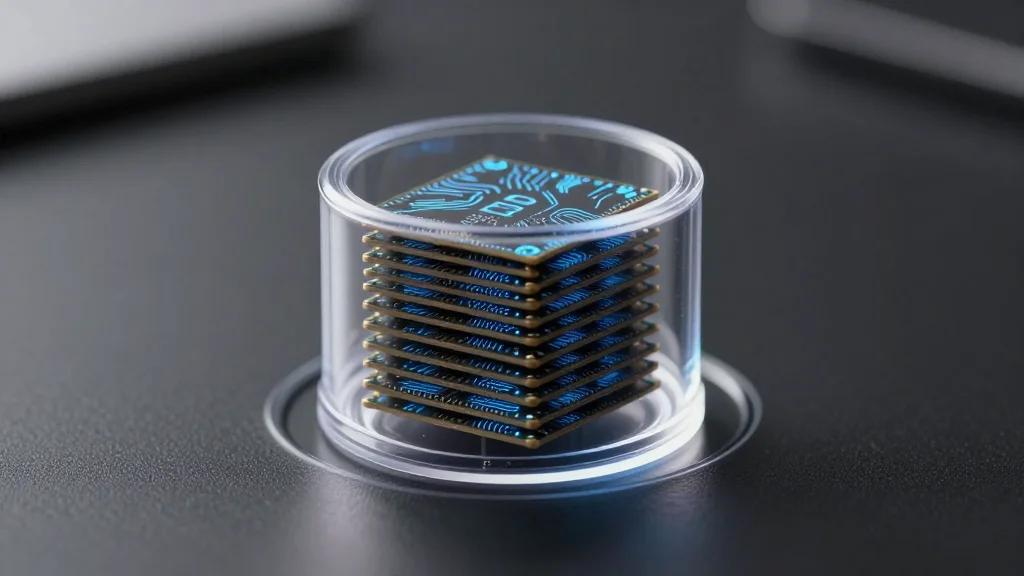
The upcoming LPDDR6 specification introduces several technical innovations designed to meet AI‑scale memory footprints. A narrower per‑die interface—offering x6, x12 and x24 sub‑channels—allows more dies per package, pushing potential densities toward 512 GB per module, a stark increase over the 16‑GB ceiling of LPDDR5X. JEDEC is also defining a flexible metadata carve‑out that lets data‑center operators trade off raw throughput against error‑correction overhead, tailoring reliability to workload needs. In parallel, the SOCAMM2 module standard will preserve the compact, serviceable form factor while enabling seamless upgrades from existing LPDDR5X modules.
These enhancements position LPDDR6 as a compelling bridge between mobile efficiency and data‑center performance, especially for inference workloads that benefit from on‑die processing. The nascent LPDDR6 Processing‑in‑Memory (PIM) standard promises to embed compute kernels directly within the DRAM array, slashing data movement and reducing power draw by up to 30 % compared with traditional CPU‑GPU pipelines. As hyperscale cloud providers and edge AI vendors evaluate cost‑effective memory solutions, JEDEC’s open‑standard approach could accelerate adoption, spur competition with DDR5 vendors, and reshape the memory hierarchy for next‑generation AI services.
JEDEC Previews LPDDR6 Roadmap Expanding LPDDR into Data Centers and Processing-in-Memory
Comments
Want to join the conversation?