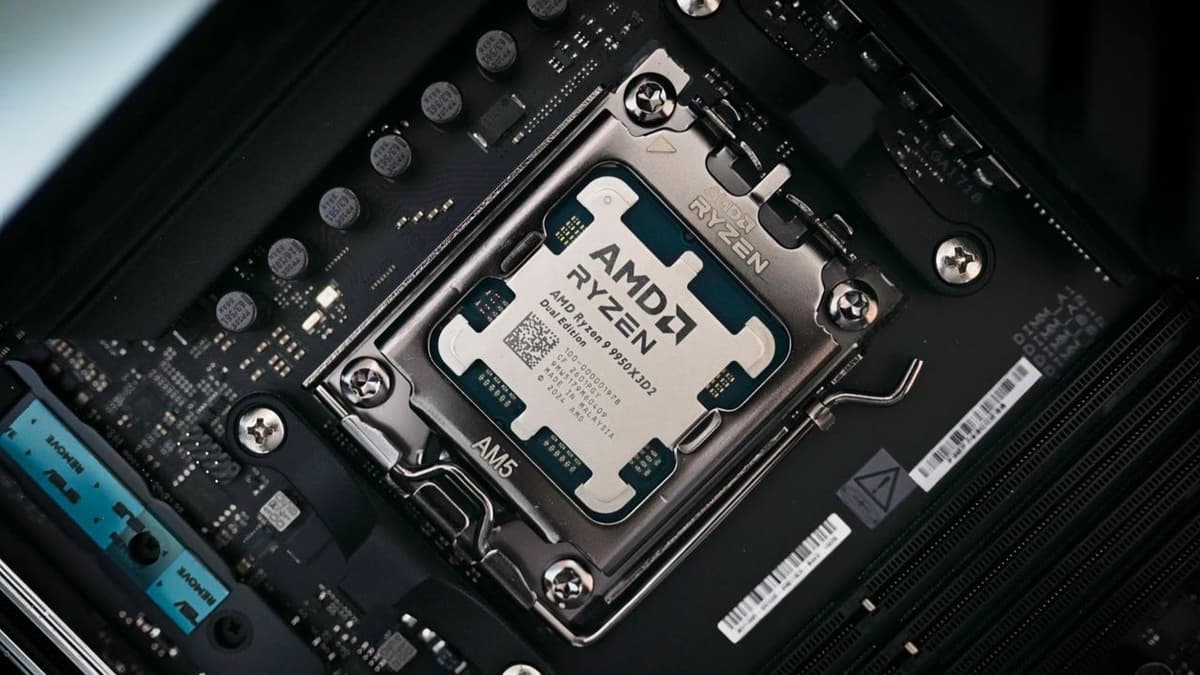
AMD Confirms AM5 Support Through 2029 — Zen 4 and 5 Platform Will Likely See Two More Generations, at Least
Companies Mentioned
Why It Matters
A longer AM5 lifespan gives OEMs and DIY builders a more stable upgrade path, reducing churn and reinforcing AMD’s competitive stance against Intel’s socket cycles. The EXPO ULL enhancement further differentiates AMD’s platform performance in the high‑end gaming and content‑creation markets.
Key Takeaways
- •AMD extends AM5 socket lifespan to 2029, adding two more CPU generations
- •Zen 6 expected in data centers this year, likely consumer launch next year
- •EXPO Ultra Low Latency promises 4% performance boost over original EXPO
- •Memory partners like G‑Skill and Kingston will support EXPO ULL soon
- •Longer socket support reduces upgrade costs for PC builders
Pulse Analysis
AMD’s decision to keep the AM5 socket alive until 2029 marks a strategic shift toward platform continuity, a move that mirrors Intel’s recent attempts to lengthen LGA1700’s life. By guaranteeing the same motherboard ecosystem for at least two more processor cycles, AMD lowers the total cost of ownership for both system integrators and end‑users. This stability encourages a richer third‑party ecosystem—cooling solutions, motherboard manufacturers, and memory vendors can invest in AM5‑specific innovations without fearing rapid obsolescence, ultimately expanding the platform’s market share.
The upcoming Zen 6 architecture, slated for data‑center deployment later this year, is expected to trickle down to the consumer market by early 2025, followed by Zen 7 around 2028. Each generation typically follows a two‑year cadence, meaning AM5 could host three more CPU families before a socket transition becomes necessary. In an era where AI‑accelerated workloads are reshaping performance benchmarks, AMD’s ability to deliver new cores on an existing socket gives it a competitive edge, allowing customers to adopt AI‑ready silicon without a full system overhaul.
EXPO Ultra Low Latency (ULL) adds another layer of differentiation. While Intel’s XMP profiles have long dominated DDR5 tuning, EXPO ULL’s promised 4% uplift over the original EXPO—and a 13% jump versus JEDEC‑rated speeds—offers tangible performance gains for gamers and creators. With support from memory leaders like G‑Skill, Kingston, and Teamgroup, the feature is poised for rapid adoption. By bundling an easy‑to‑use, performance‑focused memory profile with its extended socket roadmap, AMD strengthens its value proposition for both new builds and incremental upgrades.
AMD confirms AM5 support through 2029 — Zen 4 and 5 platform will likely see two more generations, at least
Comments
Want to join the conversation?
Loading comments...