Companies Mentioned

STMicroelectronics Inc.
Why It Matters
The push for megawatt‑level SiC devices will accelerate EV adoption, shrink AI data‑center power costs, and create a new revenue stream in solid‑state power infrastructure, reshaping the semiconductor landscape.
Key Takeaways
- •SiC's 1% efficiency gain could power 40M US homes by 2030
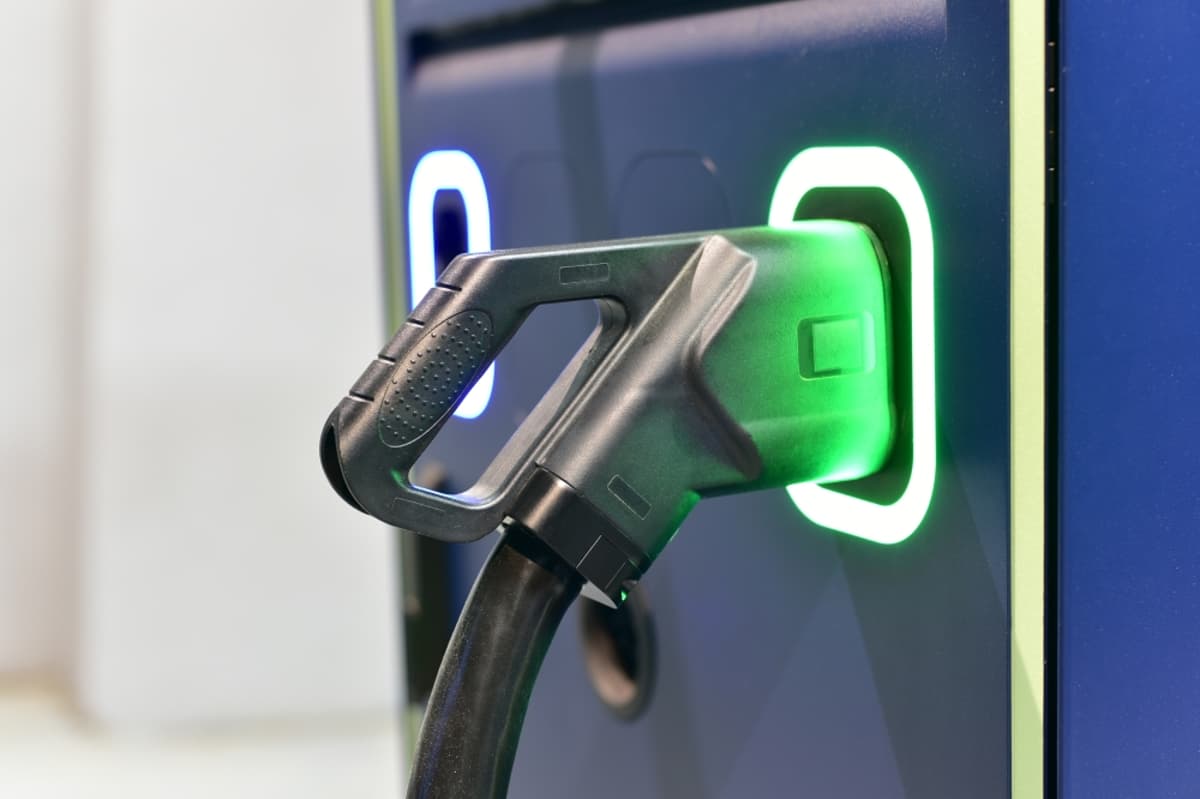
- •EV chargers target 1 MW today, aiming for gas‑pump‑like experience
- •Data‑center voltages rising to 1.5 kV, boosting SiC demand
- •Solid‑state circuit breakers market >$6 B, $800 M sales by 2023
- •STMicroelectronics launches fully integrated SiC fab, cutting supply‑chain risk
Pulse Analysis
Silicon‑carbide is moving from a niche material to the backbone of next‑generation power conversion. Its ability to operate at higher voltages and temperatures lets designers shrink converters while squeezing out efficiency gains of 1‑3 percent. In the electric‑vehicle arena, that translates to 1‑megawatt fast chargers that can refuel a car in minutes, a capability that mirrors the convenience of gasoline stations and removes a key barrier to mass EV adoption. For data‑center operators, the shift toward agentic AI workloads demands power supplies that can deliver megawatt‑level power without excessive heat, making SiC a natural fit.
Beyond mobility and compute, SiC is poised to redefine power distribution itself. Infineon’s outlook for solid‑state circuit breakers and DC‑bus architectures points to a $6 billion market opportunity, with projected sales of $800 million by 2023. These devices switch faster, diagnose faults more intelligently, and eliminate the wear‑out issues of mechanical breakers, enabling a transition toward DC grids that can support both high‑power EV chargers and AI servers on a common platform. The move to higher system voltages—400 V to 800 V today, and potentially 1.5 kV by decade’s end—reduces the number of conversion stages, cuts component count, and further improves overall plant efficiency.
Supply‑chain resilience is becoming as critical as performance, and STMicroelectronics is betting on vertical integration to secure its SiC future. By controlling everything from raw silicon and carbon powders to wafer processing, device fabrication, and packaging, ST reduces reliance on external vendors, trims logistics costs, and accelerates time‑to‑market. The company’s new fully integrated SiC fab, with production slated to ramp through 2028‑2033 across Europe and China, positions it to meet the surging demand from EV manufacturers, megawatt‑level chargers, and emerging power‑infrastructure projects. This end‑to‑end approach not only safeguards against geopolitical trade restrictions but also sets a template for the broader semiconductor industry as it pivots toward high‑voltage, high‑efficiency solutions.
Another surge for SiC
Comments
Want to join the conversation?
Loading comments...