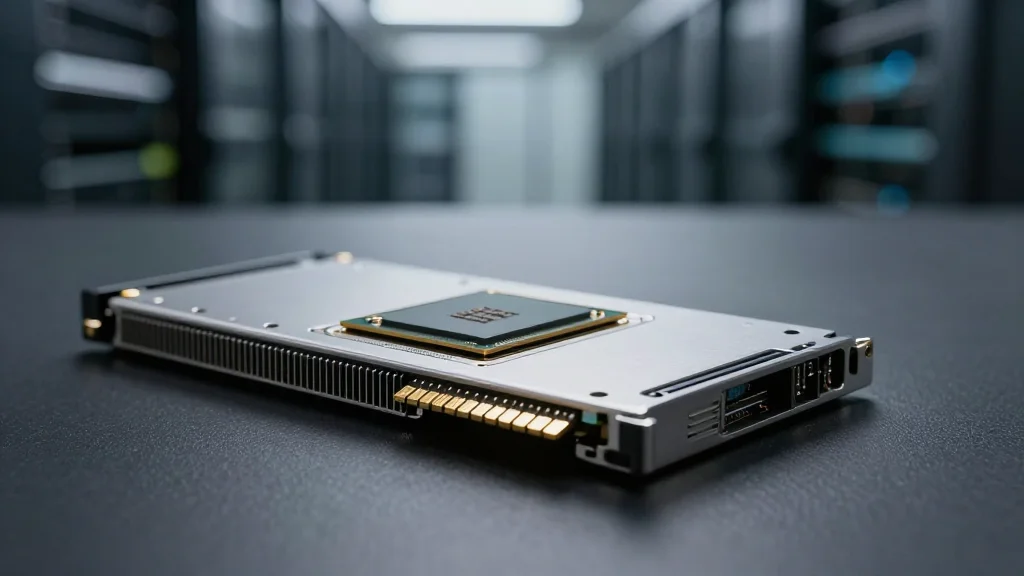
Arm Reports Earnings as It Shifts Its Business Model
Companies Mentioned

Why It Matters
By entering the data‑center CPU market, Arm aims to capture a larger share of the fast‑growing cloud infrastructure spend, potentially reshaping the competitive landscape and boosting its profitability. The shift also tests the durability of its licensing relationships with existing partners.
Key Takeaways
- •Arm targets data‑center CPUs, entering direct competition with customers.
- •Shares rose 2.75% to $208.84 after earnings release.
- •New model emphasizes in‑house silicon design over pure licensing.
- •Revenue outlook hinges on winning contracts with hyperscale cloud providers.
Pulse Analysis
Arm’s earnings release underscored a decisive turn from pure IP licensing to building its own silicon for data‑center workloads. Historically, the UK‑based designer supplied architecture to chip makers who then sold the physical products. This new approach mirrors trends among semiconductor firms seeking higher margins by owning more of the value chain, and it arrives as cloud providers demand ever‑more specialized, power‑efficient processors for AI and high‑performance computing.
The data‑center CPU arena is dominated by Intel’s Xeon line, AMD’s EPYC series, and Nvidia’s emerging Grace CPUs. Arm’s entry threatens to disrupt these incumbents, especially if its designs can deliver superior performance‑per‑watt at lower cost. However, the shift also risks straining relationships with current licensees who may view Arm as a competitor. To mitigate this, Arm is pursuing hybrid licensing deals that allow partners to co‑develop chips while retaining a share of the upside from Arm‑branded silicon.
Investors responded positively, with the stock climbing 2.75% to $208.84, suggesting confidence in the revenue upside from direct silicon sales. Analysts project that securing design wins with hyperscale cloud operators could lift Arm’s top line by double‑digit percentages over the next few years. Success will depend on the company’s ability to scale production, navigate supply‑chain constraints, and convince customers that its architecture can meet the demanding workloads of AI‑driven services.
Arm Reports Earnings as It Shifts Its Business Model
Comments
Want to join the conversation?
Loading comments...