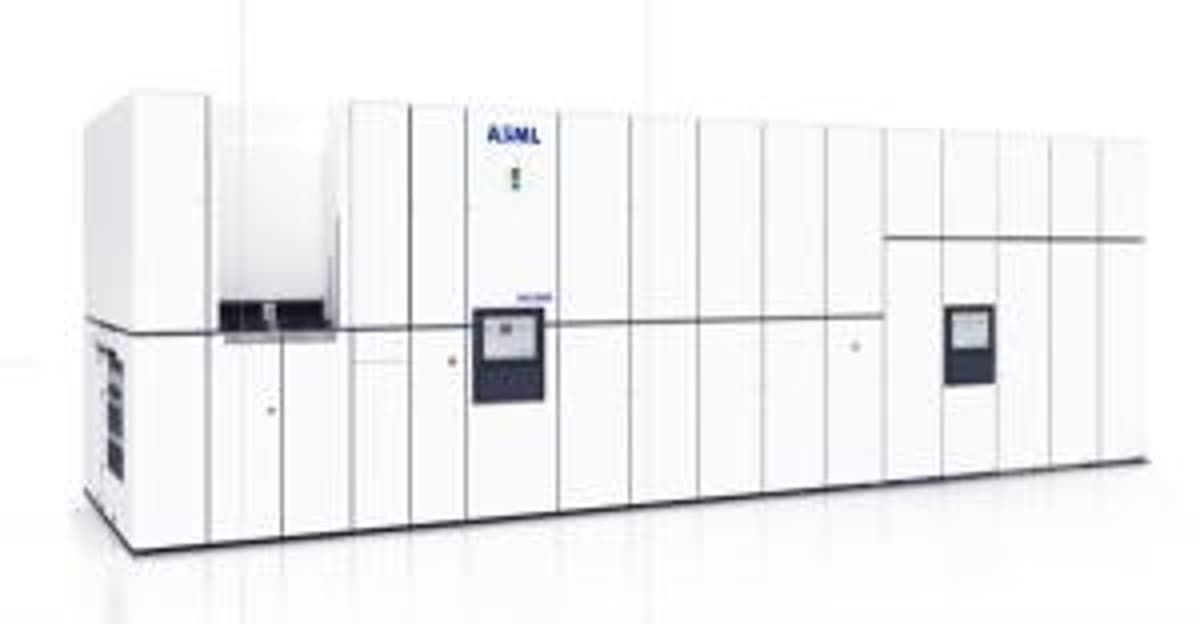
ASML Targets More Than Doubling EUV Output Capacity by 2027
Companies Mentioned
Why It Matters
Ensuring a steady flow of EUV machines protects the semiconductor supply chain and fuels the rapid scaling of AI‑centric chips, a key growth engine for the tech sector.
Key Takeaways
- •ASML targets 80 Low‑NA EUV systems by 2027, >doubling 2023 output
- •Production capacity expansion includes new factory land near Dutch headquarters
- •Wafer throughput increased to 260 wafers/hour, boosting tool productivity
- •Supply chain issues resolved; optics from Carl Zeiss now stable
Pulse Analysis
The semiconductor industry’s push toward ever‑smaller nodes has made extreme ultraviolet (EUV) lithography the linchpin of advanced chip production. ASML, as the sole supplier of EUV machines, holds a unique position: its equipment is essential for the AI‑driven chips that power data‑center accelerators, autonomous vehicles, and next‑generation smartphones. Rising demand has sparked concerns that EUV capacity could become a choke point, prompting investors and fab operators to scrutinize ASML’s ability to scale output without compromising quality.
In response, ASML unveiled a multi‑pronged capacity expansion strategy. By 2027 the firm aims to ship at least 80 Low‑NA EUV systems, more than double the 44 units delivered last year, while also targeting 90 Low‑NA EUV and 600 deep‑ultraviolet (DUV) tools annually. Production efficiencies have been realized through faster assembly lines, shortened testing cycles, and a boost in wafer throughput from 230 to 260 wafers per hour. The company has also secured additional land near its Dutch headquarters for a new fab, pre‑ordered long‑lead‑time components, and resolved previous optics shortages with Carl Zeiss, stabilizing its supply chain.
These moves carry significant market implications. A reliable EUV supply mitigates the risk of fab delays, supporting the aggressive rollout of AI‑centric silicon that underpins cloud computing growth. With capacity constraints eased, semiconductor manufacturers can pursue higher‑volume production at advanced nodes, potentially easing price pressures and accelerating technology adoption. Analysts will watch ASML’s execution closely, as any shortfall could reverberate through the entire chip ecosystem, affecting everything from foundry bookings to end‑product launch timelines.
ASML Targets More Than Doubling EUV Output Capacity by 2027
Comments
Want to join the conversation?
Loading comments...