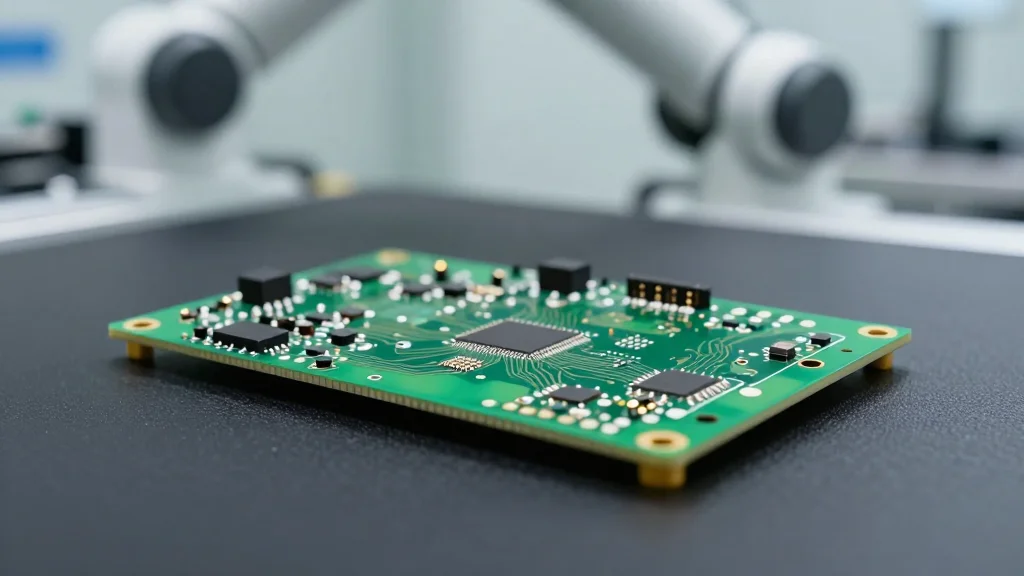
Europe Is Building a System without a Physical Foundation
Why It Matters
Local PCB production is essential for AI hardware sovereignty; without it Europe risks ceding control of next‑generation technologies to external suppliers.
Key Takeaways
- •Europe lacks domestic advanced PCB production, a critical AI hardware layer
- •TLT PCB's 33,000 m² plant aims to restore local PCB manufacturing capacity
- •Vertical integration reduces supply‑chain fragility and boosts technology sovereignty
- •Delays in rebuilding PCB fabs risk losing control over future AI systems
Pulse Analysis
Europe’s recent AI and semiconductor funding has sparked optimism, but the region’s hardware foundation is still dependent on Asian PCB factories. Advanced printed‑circuit‑boards are the connective tissue that turns silicon chips into functional systems, and their absence creates a strategic blind spot. The COVID‑19 pandemic highlighted how overseas supply disruptions can stall entire sectors, prompting policymakers to reassess the cost‑only paradigm that has long guided European manufacturing decisions.
Enter TLT PCB, which is betting on a vertically integrated model to rebuild Europe’s PCB capability. The company’s 33,000 m² plant, slated for completion within the next few years, will co‑locate PCB etching, component assembly and mechanical integration. By consolidating these steps, TLT aims to cut lead times, improve quality control and safeguard intellectual property. The project aligns with EU initiatives such as the European Chips Act, which earmarks billions for semiconductor and related ecosystem investments, but it also fills a niche that many policymakers have overlooked: the need for a home‑grown PCB supply chain.
If Europe succeeds in re‑establishing advanced PCB manufacturing, it will close a critical loop in its AI value chain, enhancing resilience against future geopolitical shocks. Conversely, prolonged delays could cement reliance on non‑European suppliers, limiting the continent’s ability to dictate standards and capture value from AI breakthroughs. Coordinated funding, talent development and cross‑border collaboration will be essential to scale the new facilities quickly, ensuring that Europe can compete not just in software and chips, but across the full hardware stack.
Europe is building a system without a physical foundation
Comments
Want to join the conversation?
Loading comments...